Team Canada explains flag football ahead of LA28 Olympic debut
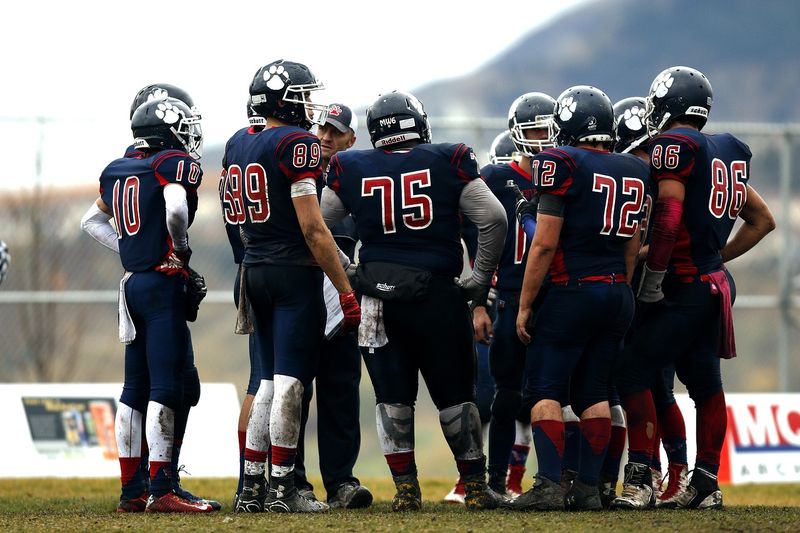
Flag football is moving from side-stage curiosity to Olympic centerpiece, and Team Canada is helping explain why it belongs there. With the Los Angeles 2028 Olympic Games set to mark the sport’s debut, Canada’s national-team players are being used as translators for a game that looks simple at first glance but runs on speed, spacing, timing, and communication.
Why Team Canada is the right classroom
The value of Team Canada’s role is that its athletes can do more than promote the badge. They can explain why they chose flag football, how the development pathway works, and why the sport rewards versatility instead of collision. That makes the national team more than a roster; it becomes the public face of the sport in Canada.
That perspective matters because new fans often meet flag football through the lens of Olympic novelty. A national-team player can make the game feel immediate by showing how quickly decisions have to be made, how important route spacing becomes, and why one mistake in timing can undo a drive. In a sport where the basic idea is easy to grasp, the elite version still demands serious preparation.
How the LA28 version will be played
The Olympic format strips the game down to its most efficient version. Olympics.com says flag football at Los Angeles 2028 will be played five-on-five on a 50-yard field, with two 20-minute halves. Another Olympics.com explainer notes that the clock runs continuously until the two-minute warning in each half, which is a huge reason the game feels so compressed and fast.

• Five players per team are on the field • The field is 50 yards long • Games are split into two 20-minute halves • The clock runs continuously until the two-minute warning in each half
Those details explain why the sport looks so different from tackle football. There is less room, less time, and no place for wasted movement. LA28 describes the format as a “fast, explosive and incredibly dynamic” non-contact version of American football, and that is exactly why speed and quick decision-making matter so much more than brute force.
A 2024 Olympics.com story on Team USA’s roster used the same framework when it described the road to LA28, reinforcing how consistent the Olympic format has become: five-on-five, 50-yard field, two 20-minute halves. The smaller field and continuous clock turn every snap into a timing problem, which is why elite flag football looks more like a chess match played at sprint speed.
Why the sport is built for new fans
Flag football’s rise has a lot to do with accessibility. The International Olympic Committee and Olympics.com both frame it as inclusive and accessible, and that matters because it is easier to start than tackle football. Schools, clubs, and athletes trying the sport for the first time do not need the same level of contact-heavy infrastructure, which helps explain why the game has spread so quickly.
An Olympics.com feature on the road to Los Angeles 2028 captured the appeal in four blunt words: “It’s inclusive. It’s fast. It’s addictive. It’s magical.” That mix is what makes flag football unusually good at crossing age groups and communities. The entry point is simple, but the ceiling is high enough for national-team athletes to build real separation through speed, communication, and versatility.
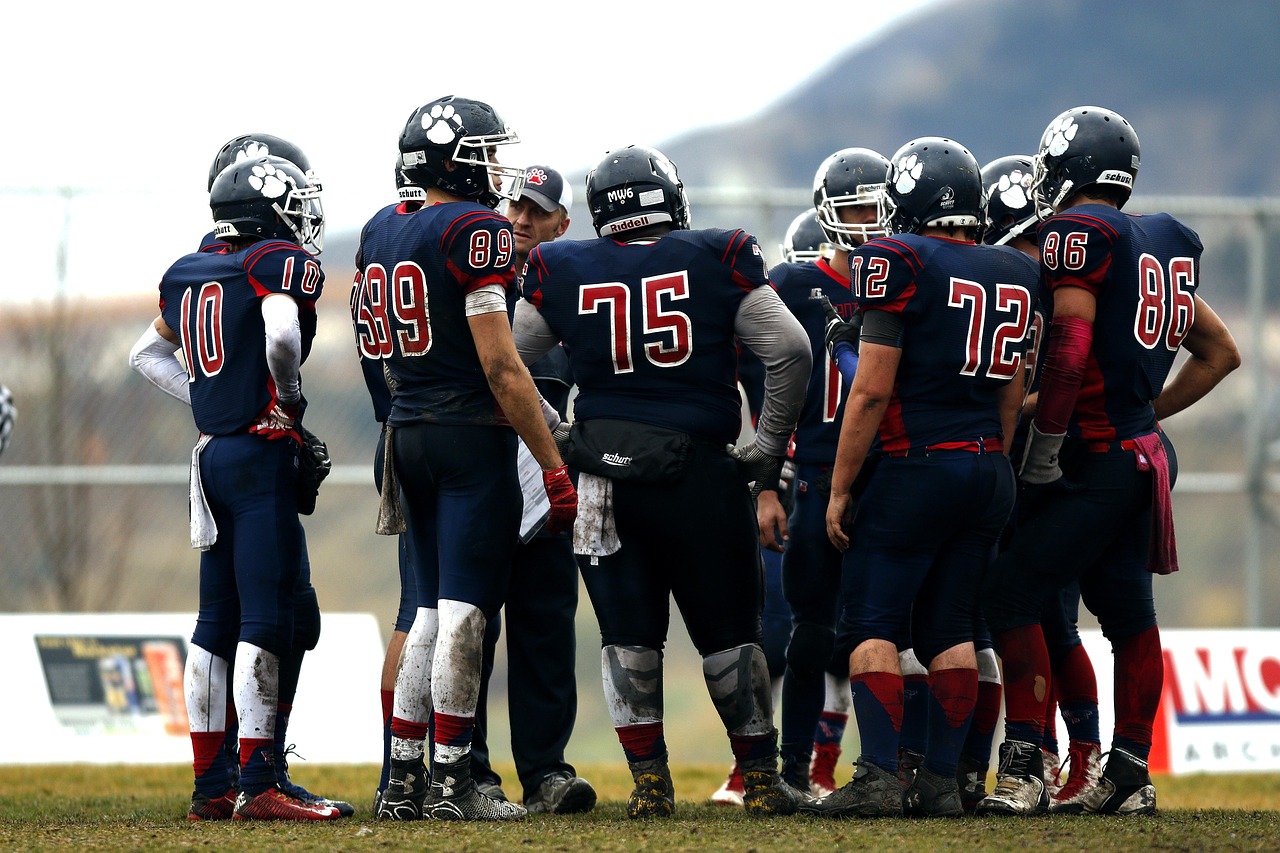
This is where Team Canada’s athlete-teacher role becomes especially valuable. When the players explain the game, they can show that flag football is not a simplified version of football so much as a different test of football skill. The sport rewards spacing on offense, discipline on defense, and the ability to think one play ahead, all while moving at full tilt.
Why the Olympic debut changes the conversation
The International Olympic Committee added flag football to the LA28 program, and Olympics.com describes Los Angeles 2028 as the sport’s Olympic debut. The LA28 site places it among the new Olympic sports arriving in 2028, which gives the format a very different profile than it had when it was mostly known through local leagues, school programs, or casual play.
That momentum spilled into the wider sports conversation on Aug. 5, 2024, when the NFL issued a statement on flag football’s Olympic inclusion. The league’s reaction signaled how much crossover attention the sport has started to attract, especially with the Olympic debut drawing football fans who might never have followed the game before.
For Canada, that shift is bigger than branding. It gives the national team a real chance to shape how the sport is understood before the first Olympic whistle is blown in Los Angeles. The players are not just representing Canada, they are teaching the game to a new audience, and that makes their voice central to flag football’s next stage.
Sources
- [1]olympic.ca
- [2]olympics.com
- [3]la28.org
- [4]nfl.com