Team GB coach Sandy Farquharson explains padel basics for beginners
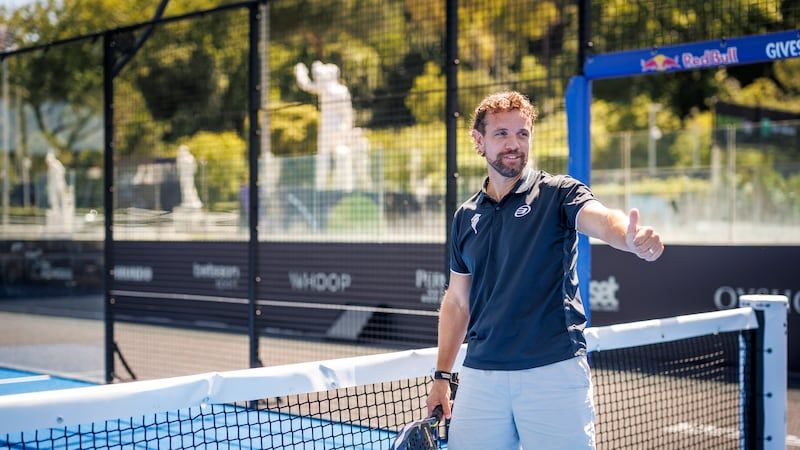
Sandy Farquharson is using beginner padel advice to fix the errors that frustrate first-time players fastest: poor court position, overhitting, confusion off the glass and missed communication with a partner. The founder of The Padel School and a former Team GB coach starts with court position, control and partner communication.
What to do in your first session
The first habit to build is compact positioning. In padel, standing too far back or drifting wide after the serve leaves too much court exposed, especially because the game is designed around two players working together rather than one player covering everything. The LTA’s beginner guidance treats the doubles format as central to how the sport is played, so the best first-session instinct is to stay connected to your partner and move as a pair.
The second adjustment is to treat the glass as part of the court, not as a problem to panic about. Beginners often try to stop every ball before it reaches the back wall, but padel rewards patience and control when the ball comes off the glass. Once that rebound is part of your read, rallies become less chaotic and your shot choices get simpler: block, reset, and keep the point alive rather than forcing an early winner.
The serve is the easiest technical place to start because the rule is straightforward: underarm only. That immediately reduces the temptation to copy a tennis motion and blast the point open, and it also fits the sport’s logic, where placement and the next shot matter more than raw power. For a first session, serving with shape and depth is more useful than chasing pace, because a clean underarm serve gives you time to move into position with your partner.
The most useful shot-selection lesson is to slow down. A softer, more controlled shot often does more damage than a big swing, especially when the aim is to keep the ball low, recover the net and create pressure over several shots.
A first session should also include simple communication rules. Call the ball early, agree who is taking middle balls and decide who is covering lobs before the rally starts, because doubles padel breaks down fastest when both players hesitate. Pairs who talk constantly usually have better first sessions than pairs who assume the other player will cover every gap.

• Stand closer to your partner than you would in tennis. • Let the ball travel to the glass when you are under pressure. • Use the underarm serve to start the point, not to win it outright. • Choose placement and consistency over power. • Call every ball early and keep your roles clear.
Habits to avoid if you come from tennis or squash
The biggest tennis mistake is trying to end points too early. Padel does not reward the same full-body swings that work from the baseline in tennis, and overhitting usually hands control back to the other pair. If you are used to flattening drives and chasing aces, the better instinct is to shorten the swing, accept a slower build and wait for a genuine opening at the net.
Another tennis habit to ditch is treating the back wall as a bailout rather than a weapon. In padel, the glass is not a sign that you have been beaten to the ball; it is often the most efficient way to reset a rally and buy time. Beginners who panic after the ball bounces off the glass usually lose shape and scramble, while players who read the rebound can turn defense into a usable reply.
Squash players face a different adjustment. In squash, the walls are part of constant pressure and the whole court invites quick recovery; in padel, the net, the doubles spacing and the underarm serve create a slower tactical rhythm. That means you cannot rely on solo movement patterns or sharp angle-hunting alone, because a missed communication or a poor position beside your partner leaves open space that the opposition can attack.
It also helps to avoid the reflex to stand on top of the net after every shot. In doubles padel, court position is a partnership exercise, and moving too aggressively can leave lobs and passing balls exposed. The more stable pattern is to advance together, hold your shape and move only when both players are set.
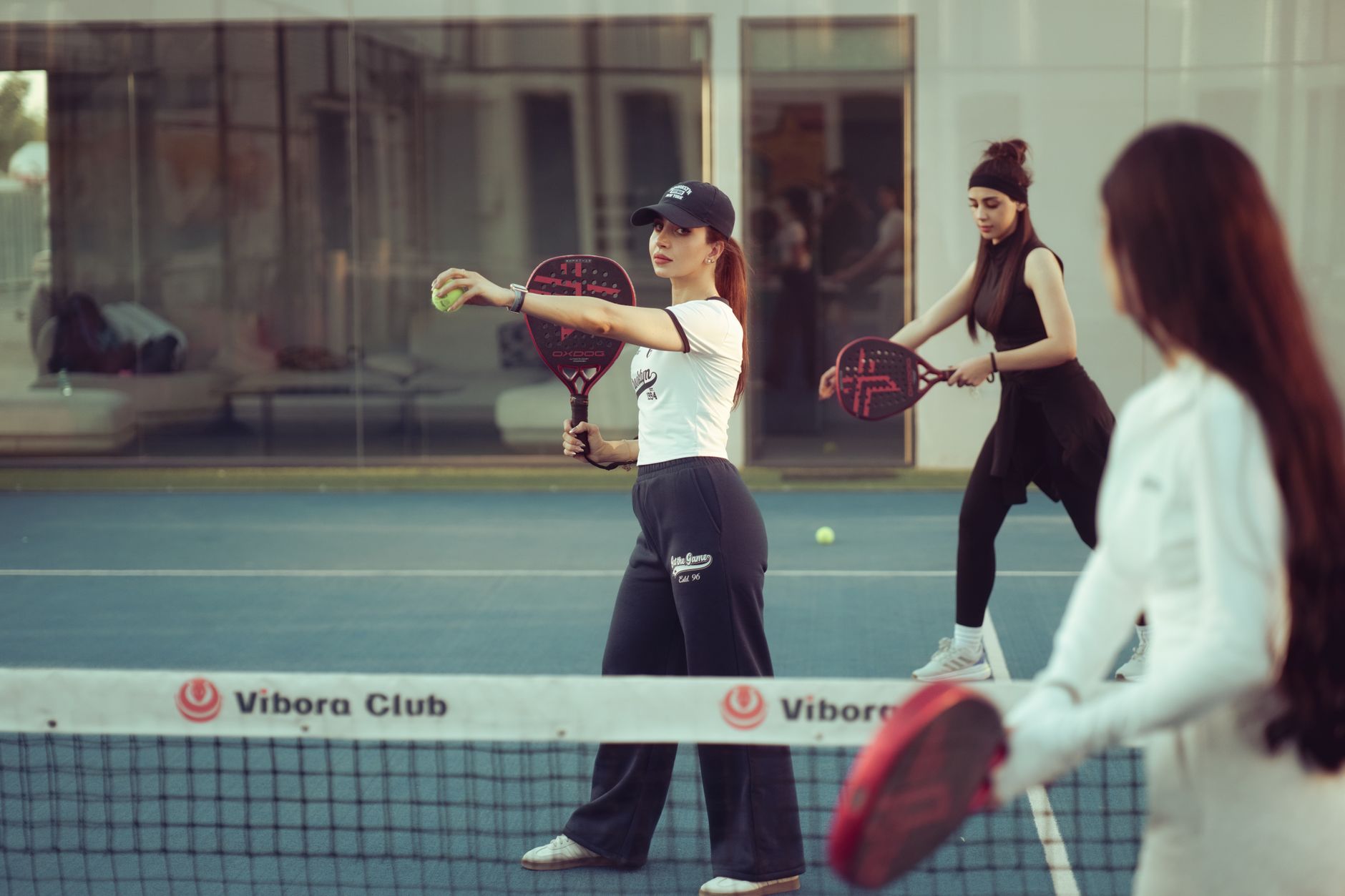
For tennis converts, scoring can also feel familiar in the wrong way. The game uses tennis-style scoring, which makes the format easy to follow, but that familiarity can hide how different the rallies are. The point construction is more patient, the serve is underarm, and the walls change the geometry of every exchange, so the old instinct to dictate with pure pace has to give way to control.
Padel's growth in Britain
Britain had 1,000,000 padel players in the LTA's 15 May 2026 update, up from an earlier growth figure of 860,000.
An April 2024 LTA presentation cited around 400 courts in Britain and about £6m of LTA investment over four years, while independent market summaries in 2025 put the country at about 70 courts in 2019 and more than 1,000 by 2025.
Premier Padel’s 2025 schedule included 24 tournaments in 16 countries, and the LTA announced on 8 April 2026 that Olympia would host London Premier Padel P1 in August.
Sources
- [1]irishnews.com
- [2]ltapadel.org.uk
- [3]tiauk.org
- [4]padelution.com
- [5]ukpadel.org