The NHL's Lady Byng Trophy: Why 'Gentlemanly' Hockey Divides Players
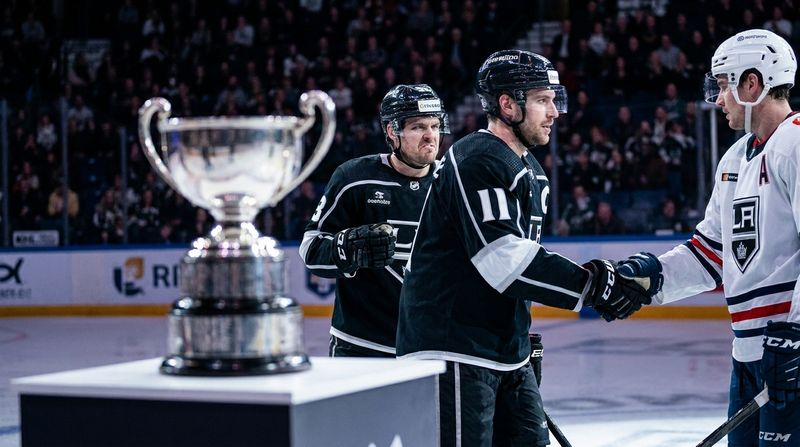
The NHL’s Lady Byng Trophy is one of hockey’s most enduring paradoxes: it rewards exceptional skill paired with sportsmanship and 'gentlemanly conduct,' but not everyone in the league views this honor as desirable. The award, given annually since 1925, is meant to recognize players who combine elite performance with respect for their opponents and the rules. Yet for many, the trophy’s legacy carries complicated connotations about toughness and identity in a sport historically celebrated for its physicality.
Named after Lady Byng of Vimy, a patron of the sport and wife of a former Canadian governor general, the trophy is awarded to the NHL player judged to have exhibited the best combination of skill, sportsmanship, and conduct. Its recipients have included some of the game's most talented stars, but the recognition has often sparked debate both inside and outside locker rooms.
The New York Times notes that while the Lady Byng is intended to promote respect and fair play, its 'gentlemanly' reputation can be a double-edged sword. In a culture where grit and aggression are prized, being labeled as 'too clean' or 'not tough enough' can feel like a backhanded compliment. Some players have even joked about not wanting to win the trophy, preferring to be recognized for harder, grittier play.
Forwards and defensemen who receive the Lady Byng typically post impressive statistics with remarkably low penalty minutes. Past winners have included stars like Pavel Datsyuk and Martin St. Louis, who combined high point totals with uncommon restraint on the ice.
Yet the Lady Byng’s history is filled with moments of ambivalence. The Times reports that some players have refused to embrace the award, believing it doesn’t reflect the full spectrum of hockey’s demands. The trophy’s focus on civility stands in contrast to the hard-hitting, sometimes violent nature of the sport, leading some to question whether it rewards the 'right' kind of player.
Rather than universally celebrating the Lady Byng, many players view it with a mix of pride and reluctance. The trophy’s recipients often take satisfaction in their achievement, but may also feel pressure to prove their toughness elsewhere on the ice. Meanwhile, coaches and executives recognize the value of disciplined play, but know that the Lady Byng doesn’t always reflect the qualities highlighted in playoff hockey.
As the NHL continues to evolve, the Lady Byng remains a unique fixture, honoring a style of play that blends finesse and respect. Its legacy, however, is shaped as much by the players who win it as by those who would rather not be associated with its 'gentlemanly' ideals. For fans and participants alike, the trophy’s meaning is still up for debate, reflecting broader questions about identity and tradition in the sport.
Named after Lady Byng of Vimy, a patron of the sport and wife of a former Canadian governor general, the trophy is awarded to the NHL player judged to have exhibited the best combination of skill, sportsmanship, and conduct. Its recipients have included some of the game's most talented stars, but the recognition has often sparked debate both inside and outside locker rooms.
The New York Times notes that while the Lady Byng is intended to promote respect and fair play, its 'gentlemanly' reputation can be a double-edged sword. In a culture where grit and aggression are prized, being labeled as 'too clean' or 'not tough enough' can feel like a backhanded compliment. Some players have even joked about not wanting to win the trophy, preferring to be recognized for harder, grittier play.
Forwards and defensemen who receive the Lady Byng typically post impressive statistics with remarkably low penalty minutes. Past winners have included stars like Pavel Datsyuk and Martin St. Louis, who combined high point totals with uncommon restraint on the ice.
- Pavel Datsyuk won the trophy four times, averaging fewer than 20 penalty minutes per season during his peak years.
- Martin St. Louis earned three Lady Byngs, sometimes playing entire campaigns with single-digit penalties.
- The average penalty minutes for Lady Byng winners over the last decade is less than 15 per season, compared to league averages often exceeding 40.
Yet the Lady Byng’s history is filled with moments of ambivalence. The Times reports that some players have refused to embrace the award, believing it doesn’t reflect the full spectrum of hockey’s demands. The trophy’s focus on civility stands in contrast to the hard-hitting, sometimes violent nature of the sport, leading some to question whether it rewards the 'right' kind of player.
Rather than universally celebrating the Lady Byng, many players view it with a mix of pride and reluctance. The trophy’s recipients often take satisfaction in their achievement, but may also feel pressure to prove their toughness elsewhere on the ice. Meanwhile, coaches and executives recognize the value of disciplined play, but know that the Lady Byng doesn’t always reflect the qualities highlighted in playoff hockey.
As the NHL continues to evolve, the Lady Byng remains a unique fixture, honoring a style of play that blends finesse and respect. Its legacy, however, is shaped as much by the players who win it as by those who would rather not be associated with its 'gentlemanly' ideals. For fans and participants alike, the trophy’s meaning is still up for debate, reflecting broader questions about identity and tradition in the sport.