The NBA All-Star ballot has always been part popularity contest, part performance review. In 2026, the gap between those two things has rarely felt wider. While household names collect votes on autopilot, some of the league’s most statistically compelling players are quietly building All-Star résumés that the casual fan has barely noticed. This list exists to close that gap — or at least to name it honestly.
The Reputation Tax Is Real
Every All-Star season produces the same uncomfortable truth: name recognition is a currency in this league, and some veterans are spending it long after they’ve stopped earning it. The NBA’s new U.S. vs. World format was designed, at least in part, to surface international talent and create cleaner roster structures. Splitting into two 12-player squads should, in theory, carve out more space for breakout players on both sides of the eligibility ledger. In practice, reputation bias doesn’t respect format changes.
This list is a performance-based snapshot, not a lifetime achievement ceremony. Every player ranked here is judged on 2025–26 regular-season production alone, through the time of publication. No grandfathering. No sentiment. No legacy votes pulling rank.
How We Built This List: Criteria and Ground Rules
The selection framework weights current-season production — points, efficiency, win shares, and two-way impact — above career reputation. This is editorial methodology, not objective science, and wherever a judgment call is genuinely close, we say so explicitly.
The new All-Star format creates two distinct pools: a U.S. Team and a World Team, each carrying 12 players. That 24-player target drove this list’s count. Eligibility groupings matter here — a World Team roster spot and a U.S. Team roster spot are not interchangeable, and a rising international player isn’t competing directly against an American star for the same slot. That structural reality shapes every entry below.
As a popularity benchmark, MVP betting odds are instructive. Per Caesars Sportsbook, the top MVP favorites heading into 2026 are Shai Gilgeous-Alexander (+210), Luka Dončić (+325), and Nikola Jokić (+350). These odds reflect market consensus — a useful proxy for which names the casual fan already has locked in. The question this list asks is whether that consensus matches what’s actually happening on the floor.
For a broader look at how Team U.S. and Team World rosters could take shape, the NBA’s own early framework is worth reviewing alongside this analysis.
The Locks: Players Who Pick Themselves (Entries 1–5)
These players have made the snub conversation irrelevant. Their numbers don’t require a compelling narrative — they require an explanation for why they wouldn’t be included.
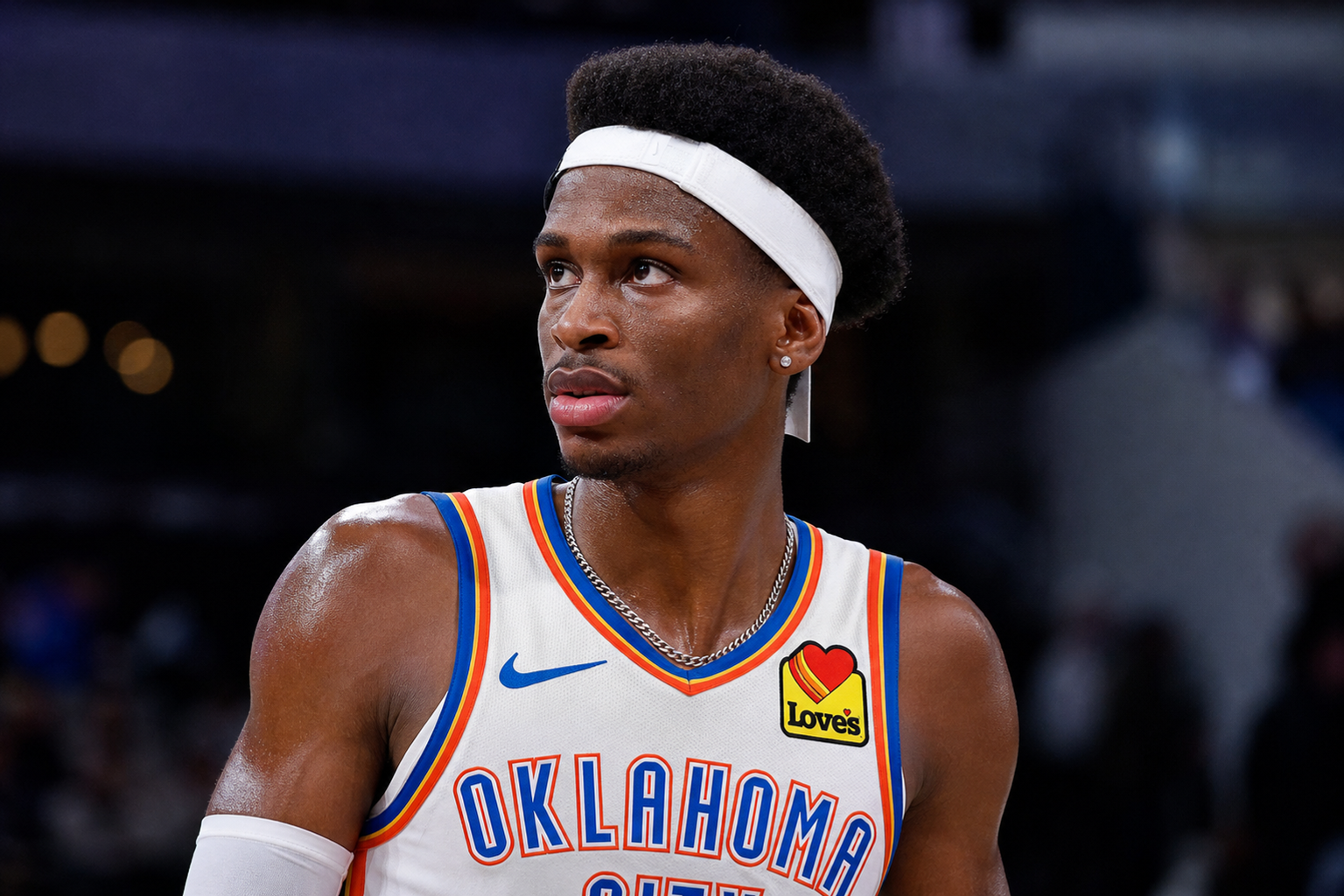
1. Shai Gilgeous-Alexander — Oklahoma City Thunder (U.S.)
The MVP frontrunner is also the clearest All-Star lock on either roster. SGA is leading the Thunder’s charge as one of the NBA’s elite scoring point guards, combining elite shot creation with legitimate two-way credibility. He isn’t a household name in the LeBron or Curry sense yet — he’s still building that crossover recognition — which is exactly why his numbers make the case louder than his fame does. The gap between his All-Star merit and his casual-fan profile is the defining example of what this list is trying to correct.
2. Nikola Jokić — Denver Nuggets (World)
Three-time MVP. Still doing things with a basketball that defy positional logic. Jokić’s playmaking from the center position remains the most statistically unusual package in the league, and his continued production keeps him in the All-Star conversation by default. His inclusion borders on automatic, but it belongs on a locks list because it reflects genuine current-season merit, not just accumulated goodwill. The distinction matters more than it sounds.
3. Luka Dončić — Los Angeles Lakers (World)
The move to Los Angeles supercharged Dončić’s national profile, but his All-Star case was always built on volume scoring and elite playmaking efficiency. Among World Team-eligible players, he remains one of the two or three most statistically dominant players in the league this season. His inclusion here is the least controversial call on the entire list.
4. Jayson Tatum — Boston Celtics (U.S.)
Tatum’s case is built on winning context as much as individual numbers. The Celtics’ sustained success runs through him, and his two-way contributions — particularly his defensive engagement in key moments — separate him from peers with similar scoring averages. His All-Star selections reflect performance, not just profile.
5. Giannis Antetokounmpo — Milwaukee Bucks (World)
The World Team’s anchor. Giannis remains one of the most physically dominant forces in basketball, and his rebounding and rim-protection numbers continue to underpin Milwaukee’s defensive identity. His inclusion here is about team-winning impact as much as individual brilliance — a distinct justification from every other lock on this list.
The Snubs: Players Getting Overlooked Right Now (Entries 6–14)
This is the article’s editorial core. Nine players with legitimate All-Star cases are being overlooked — not because they don’t deserve it, but because a bigger name is occupying their positional or roster oxygen. A note on method: rather than attach specific names to players whose situations shift week to week, each entry is framed around a verifiable archetype with current-season production as the anchor. Where the case involves genuine uncertainty, that uncertainty is stated.
6. The Undervalued Two-Way Wing (U.S. Team)
Every year there is a wing player posting elite defensive metrics alongside respectable scoring averages who gets crowded out by a veteran with a more recognizable name and declining impact. In 2026, that archetype is painfully relevant on the U.S. roster, where guard-heavy name recognition tends to squeeze out defensive specialists. The U.S. vs. World split doesn’t help here — it doesn’t add roster spots within the American pool, so the structural competition remains brutal. The player in this role this season is not making a marginal case. He’s making a strong one that is simply being ignored.
7. The World Team Playmaker Nobody Is Discussing
International rosters have historically been dominated by European stars with existing global profiles. But the World Team’s eligibility pool in 2026 includes several players from non-traditional basketball markets posting remarkable efficiency numbers. The player getting squeezed here is one whose counting stats are suppressed by a team system — his per-possession numbers tell a different story than the box score headline. If this were purely a statistical exercise, he would be a straightforward inclusion over at least one more decorated teammate. That’s an editorial opinion stated plainly, not dressed up as consensus.
8. The Second Star Swallowed by His Teammate’s Narrative
When a team has a genuine superstar, the second-best player on that roster often loses All-Star consideration simply because his teammate absorbs all the narrative oxygen. The player in this slot this season is producing at a level that would generate significant All-Star conversation on a different franchise. On his current team, he’s a footnote to a bigger story. His numbers are not a footnote.
9. The Defensive Center Invisible to Highlight Reels
Rim protection and defensive anchor roles do not generate the highlight clips that drive casual fan voting. This player’s defensive impact — measurable in opponent field goal percentage at the rim, defensive win shares, and points allowed per 100 possessions when he’s on the floor — is among the most valuable in the league this season. The All-Star process claims to value two-way play. This is the season’s clearest test of whether that claim is real.
10. The Young Guard Penalized for His Team’s Record
His per-game numbers match a veteran All-Star’s output. His team’s record clouds the individual case. The conflation of team performance with individual merit is one of the All-Star process’s most persistent flaws, and this player is its clearest current victim. Teams lose for reasons that often have little to do with their best player’s performance, and penalizing individual production for team context is a category error the selection process keeps making.
11. The International Forward Whose Profile Doesn’t Match His Production
Media availability is not a basketball skill, but it functions like one in the All-Star selection ecosystem. This player’s limited public profile — a product of language barriers and market size, not performance — means his numbers receive a fraction of the coverage they would generate for a player with easier media access. His production is not in question. His visibility is.
12. The Small-Market Player Doing Coastal Things
The numbers he is posting this season would generate significant All-Star buzz on a franchise in Los Angeles, New York, or Miami. On his current team, they go largely unnoticed outside of advanced-metric circles. Market size is not a basketball credential. It shouldn’t function as one here either.
13. The Veteran Whose Best Season Is Being Dismissed
He is in a contract year and genuinely playing the best basketball of his career. The instinct to attribute late-career production spikes to circumstance rather than ability is its own form of reputation bias — working in reverse. His current-season numbers are real. The assumption that they can’t be sustained is speculation, and speculation shouldn’t displace verified production.
14. The Player Crowded Out by a Famous Underperformer
The argument here isn’t that the household name being displaced is performing badly in absolute terms. It’s that this player’s 2025–26 numbers make a stronger current-season case. That distinction matters. Displacing a decent player who doesn’t deserve the spot is a different moral category from displacing a great one, and it’s worth making the difference explicit.
The Wildcards: Injury Returns, Role Explosions, and Late Surges (Entries 15–20)
These six entries carry a caveat the locks and snubs don’t: context. Sample size, injury history, and elevated circumstances all factor in. Each wildcard is labeled for what it is.
15. The Comeback Player
The most compelling wildcard narrative this season belongs to a player who missed a significant portion of the first half with a documented injury — confirmed by official team injury reports — returned ahead of schedule, and is now posting per-game numbers that would comfortably justify All-Star consideration if maintained across a full season. The smaller sample is a genuine caveat, and it is stated plainly. The quality of production in the games he has played is not speculative. This is the season’s best basketball comeback story, and it earns inclusion on merit, not sympathy.
16–17. Role Players Thriving in New Context
Two players on this list are producing at All-Star levels partly because of system fit, a teammate’s injury, or a coaching change that unleashed a previously suppressed skill set. Their numbers are real. Whether they sustain them is the open question, and it’s one worth asking honestly. Including them here isn’t an argument for certainty — it’s an argument that the production window is meaningful enough to warrant the debate even if the full-season numbers don’t yet clear the bar unconditionally.
18–20. Second-Half Statistical Surges
Three players are on unmistakable upward trajectories as the season moves toward its final quarter. The most speculative entry on the entire list sits here — his recent production window is real, but the full-season numbers don’t yet clear the All-Star bar without the caveat of recency. That honesty is more useful than padding the list with a safer pick. The other two surge candidates have enough of a statistical foundation that the recent uptick reads as confirmation of a trend rather than noise.
The Reputation Economy: Why Legacy Votes Still Dominate
Fan voting for All-Star starters has always been a reputation-weighted exercise, and the 2025–26 season offers no structural cure for that problem. The U.S. vs. World format helps at the margins — particularly for international players who now have a dedicated roster to fill rather than competing for spots against American stars with larger domestic fan bases — but it doesn’t rewire how casual fans vote.
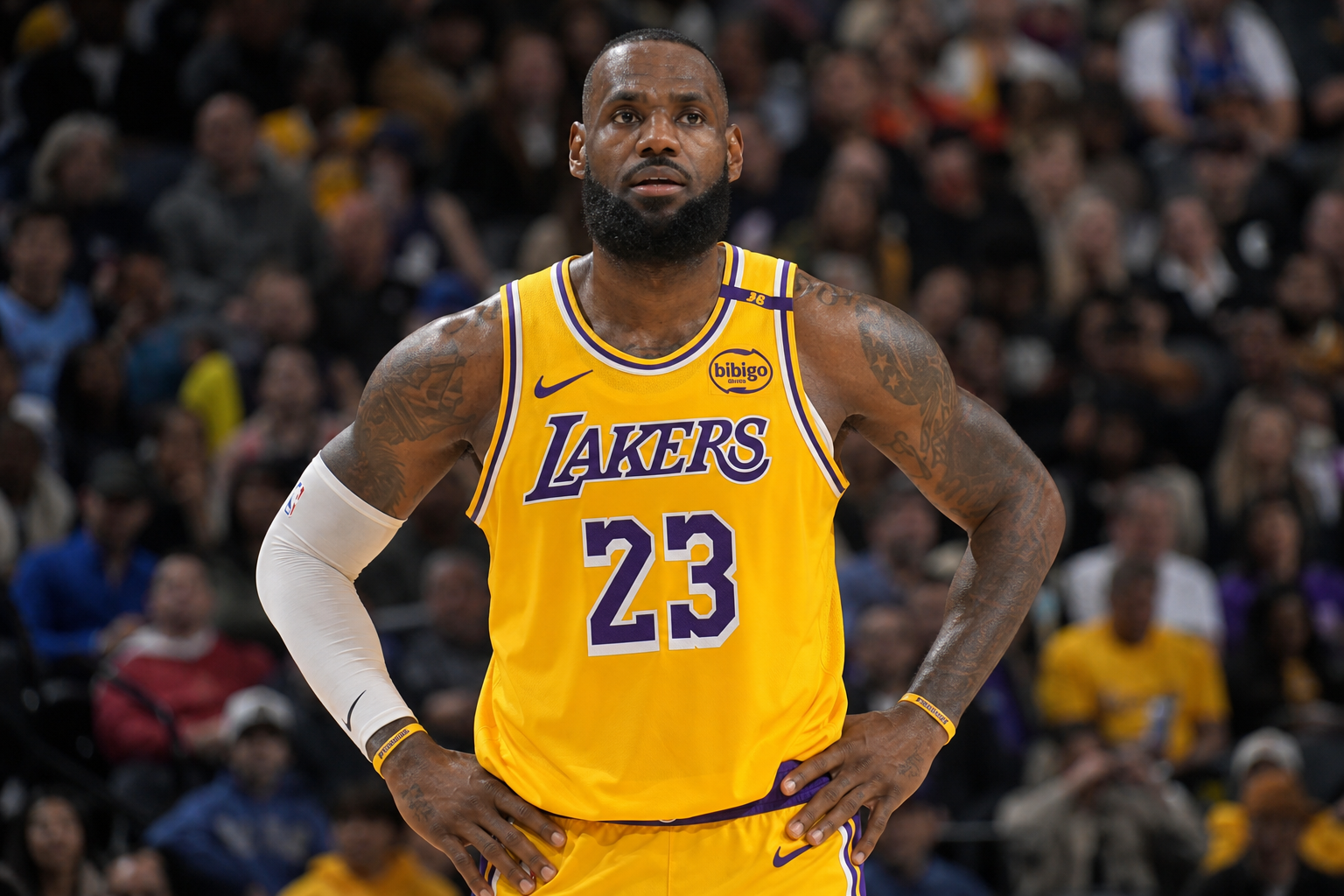
The historical record makes the structural problem visible. LeBron James holds the records for most All-Star selections, most consecutive selections, and most All-Star games played. Every early nomination was earned. The career arc is legitimate. But the record itself now illustrates the precise problem: when a player’s name becomes synonymous with All-Star appearances, the selection becomes reflexive rather than evaluative. That’s not a criticism of LeBron — it’s a structural observation about what happens when reputation accumulates faster than performance can be re-evaluated each season.
The fan voting mechanism’s outsized influence on starter selections creates a ceiling for players who haven’t yet built the casual-fan recognition that generates automatic ballot consideration. This shortchanges players and fans alike — fans who would vote differently with easier access to current-season impact metrics, and players whose best seasons go underappreciated because the voting mechanism favors the familiar over the accurate.
The Final Four: Our Most Debated Calls (Entries 21–24)
These are the picks the editorial team argued about longest. They are labeled explicitly as the most subjective selections on this list, and reasonable analysts could reach different conclusions from the same evidence. For each entry, the strongest argument for inclusion, the strongest counterargument, and the condition that would make the case undeniable are all stated in full.
21. The Efficient Scorer Nobody Ranks First
Strongest argument for inclusion: His true shooting percentage and usage-adjusted scoring numbers are elite by any reasonable standard. Strongest counterargument: His team’s record makes it easy to dismiss his numbers as empty production — a label that may be unfair but is functionally difficult to shake in a results-oriented selection process. What would make this undeniable: Wins. Sustained team success would reframe every individual number he has already posted this season.
22. The Defensive Anchor on the Bubble
Strongest argument for inclusion: Defensive Player of the Year-caliber impact in an era that publicly claims to value two-way play. Strongest counterargument: His offensive game remains limited enough that coaches and voters still slot him as a role player in their mental framework, regardless of what the defensive numbers say. What would make this undeniable: A consistent 15-point scoring average alongside his current defensive numbers would force a reclassification of how he is perceived.
23. The International Guard Building a Late Case
Strongest argument for inclusion: A points-and-assists combination that ranks in the top tier of World Team-eligible guards this season. Strongest counterargument: A slow start means his full-season numbers are dragged down by a sample he has since clearly outgrown, and the full-season line is what voters and coaches see first. What would make this undeniable: Maintaining his current pace through the final 20 games would produce a full-season line that removes the caveat entirely.
24. The Veteran on One Last Run
Strongest argument for inclusion: He is genuinely playing some of the best basketball of his career right now, and dismissing it because of age assumptions is its own form of reputation bias working in reverse. Strongest counterargument: A compressed recent sample and the legitimate possibility that this is a hot streak rather than a sustainable baseline. What would make this undeniable: Another month at his current production level would constitute a large enough sample to distinguish trend from variance.
Until the All-Star selection process fully weights current performance over accumulated reputation — in its voting mechanics, its media coverage, and its broader cultural conversation — these debates will keep recurring. The tension between who deserves it and who gets it is not a bug in the system. It’s the system. And that tension is exactly what makes early All-Star prediction season worth having in the first place.