Ty Simpson’s NFL Draft Rise: Can Limited College Starts Derail His Stock?
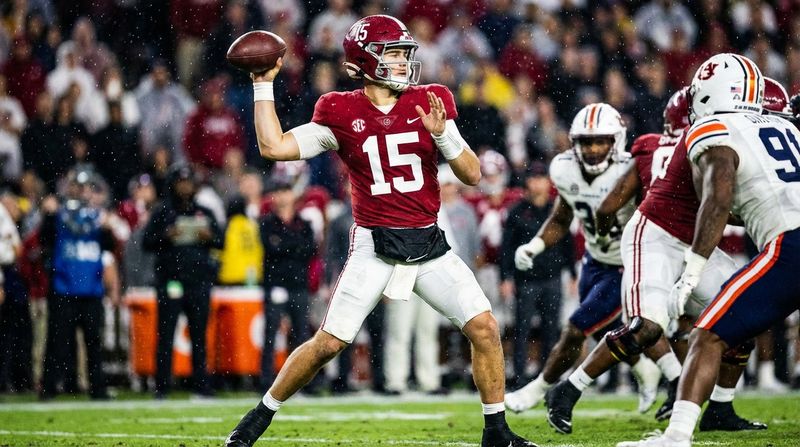
Ty Simpson, Alabama’s talented quarterback, has quickly ascended draft boards as the 2026 NFL Draft approaches. Despite being widely recognized as the draft's second-best quarterback prospect, a notable concern shadows his meteoric rise: Simpson started just 15 games in college, a figure significantly lower than most first-round signal-callers.
Draft analysts and NFL scouts often cite the importance of starting experience in projecting a quarterback’s transition to the pros. Historically, quarterbacks selected in the first round have logged far more collegiate starts, offering teams a larger sample size to evaluate decision-making, resilience, and performance under pressure. Simpson’s case challenges this conventional wisdom.
- Simpson is listed as QB2 for the 2026 NFL Draft, according to consensus projections.
- He recorded only 15 starts at Alabama, well below the average for top quarterback prospects.
- Most first-round quarterbacks in recent drafts have started 25-40 games at the collegiate level.
Despite the limited starts, Simpson’s skillset remains highly regarded. Alabama’s coaching staff trusted him to lead high-stakes games, and he demonstrated poise, athleticism, and arm strength that have translated into top-tier draft status. His rapid development and ability to seize the starting role at a program as competitive as Alabama speaks volumes about his talent and adaptability.
Simpson’s situation echoes previous cases where quarterbacks with fewer starts have faced scrutiny. While some succeeded, others struggled with the leap in competition, playbook complexity, and leadership demands. The question for NFL teams is whether Simpson’s exceptional upside outweighs the risk posed by his limited body of work.
- Alabama quarterbacks have historically been high draft picks, but most had more extensive starting resumes.
- Evaluators must weigh game tape, athletic testing, and interviews against the lack of sustained starting experience.
With the draft set for late April, Simpson’s stock will be closely watched. Teams in need of a franchise quarterback may be willing to overlook his limited starts, banking on his raw talent and rapid learning curve. The debate highlights a broader shift in quarterback evaluation, where traits and potential sometimes trump traditional benchmarks like number of starts.
Sources
- [1]ESPN NFL