Ultimate Frisbee began in a parking lot at Columbia High School
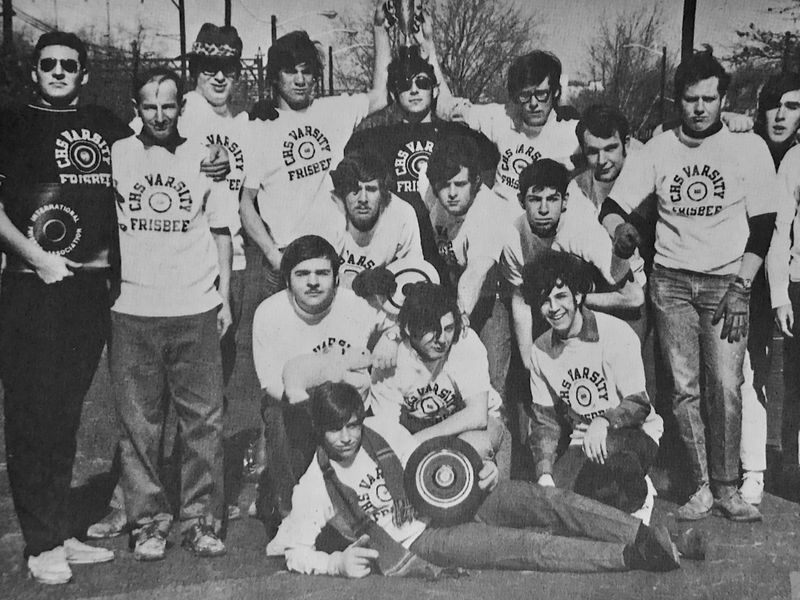
Ultimate Frisbee still carries the fingerprints of its first improvised game in a Columbia High School parking lot. Joel Silver brought the idea to the Columbia High School student council in Maplewood, New Jersey, in 1968, and by the next year students were playing with a Wham-O Master disc between goal lines that were marked by telephone poles or piles of coats. That makes the sport’s origin more than a quaint backstory: it explains why Ultimate grew up with rules, culture, and identity that never looked much like the top-down model of mainstream team sports.
From student council pitch to parking lot field
The early Columbia High School version of Ultimate did not begin with a full field, a league office, or a polished competition format. WFDF’s history places the first recorded game in 1969, played by two groups of students after a team had already formed at the school. The field itself was improvised in the most literal sense, with only goal lines and whatever landmarks were available to mark space.
That detail matters because it shows how the sport was made by players before it was made by institutions. A parking lot, telephone poles, and coats are the opposite of a sealed, professionally managed sports product, yet they produced a game that could be repeated, taught, and eventually standardized. The Columbia story is not just where Ultimate started, it is why the game still feels like something built from the ground up.
The disc culture that made Ultimate possible
Ultimate did not emerge from nowhere. WFDF’s broader history points back to 1957, when a Princeton University faculty member reportedly dismissed students’ Frisbee throwing as “just another form of spring fever.” That same history notes that the first known published reference to Frisbee appeared in a Sports Illustrated article tied to the agreement between Fred Morrison and Wham-O, and that Wham-O produced the first Frisbees in 1957.
That mid-century disc boom created the conditions for Ultimate’s invention. The toy was already circulating in schools and campuses, so Silver’s idea could build on a familiar object rather than introduce a wholly new piece of equipment. By the time Ultimate took shape at Columbia High School, the flying disc was already part of American play culture, which helped the sport spread quickly once the core concept clicked.
The rules that survived the transition
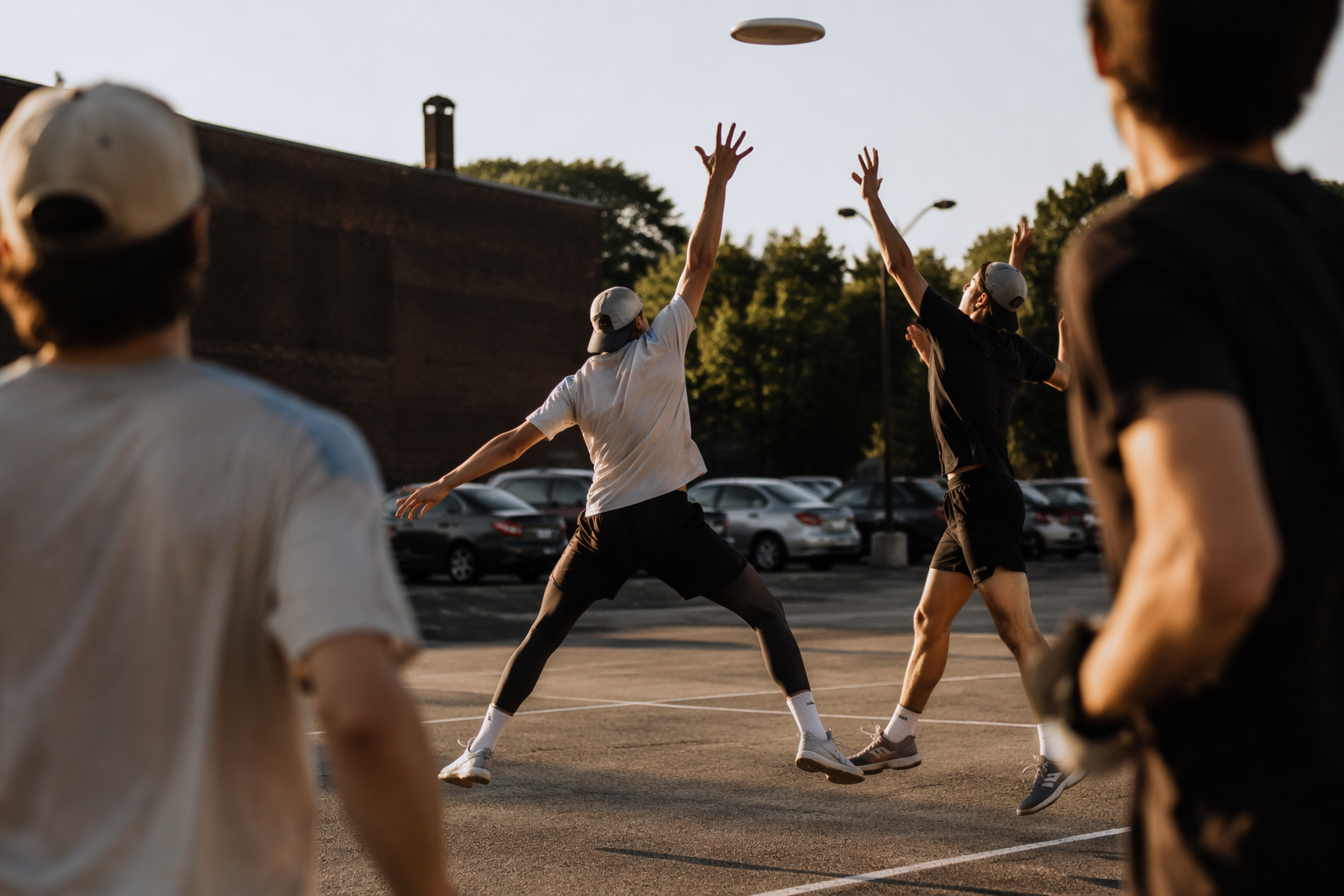
What did survive the jump from parking lot experiment to codified sport was the game’s core logic. WFDF describes Ultimate as a non-contact, self-refereed team sport played with a flying disc, and its standard field is 100m x 37m with an end zone at each end. Two teams of seven players chase space, throw to move the disc, and defend without physical contact.
Those basics turned an improvised school game into a sport with real strategic depth. The field dimensions create room for long throws, cutting lanes, and defensive shape, while the end zones keep the objective simple enough to teach quickly. That combination, easy entry with enough complexity to reward elite athleticism, is a big reason schools and colleges became such powerful growth engines.
Why self-officiation is not a footnote
Ultimate’s most distinctive inheritance from its origin is not the disc, or even the end zones, but self-officiation. A sport born among students did not naturally develop around external referees and rigid command structures. Instead, it grew around the expectation that players would call their own fouls, resolve disputes, and protect the quality of play through the Spirit of the Game.
That principle is one of the sharpest ways Ultimate still differs from mainstream sports. In most major games, authority is assigned from above and enforcement is separate from participation. In Ultimate, the players remain responsible for the contest itself, and that expectation gives the sport a different tone on the field, one where competition and mutual accountability sit side by side.
From local oddity to global game
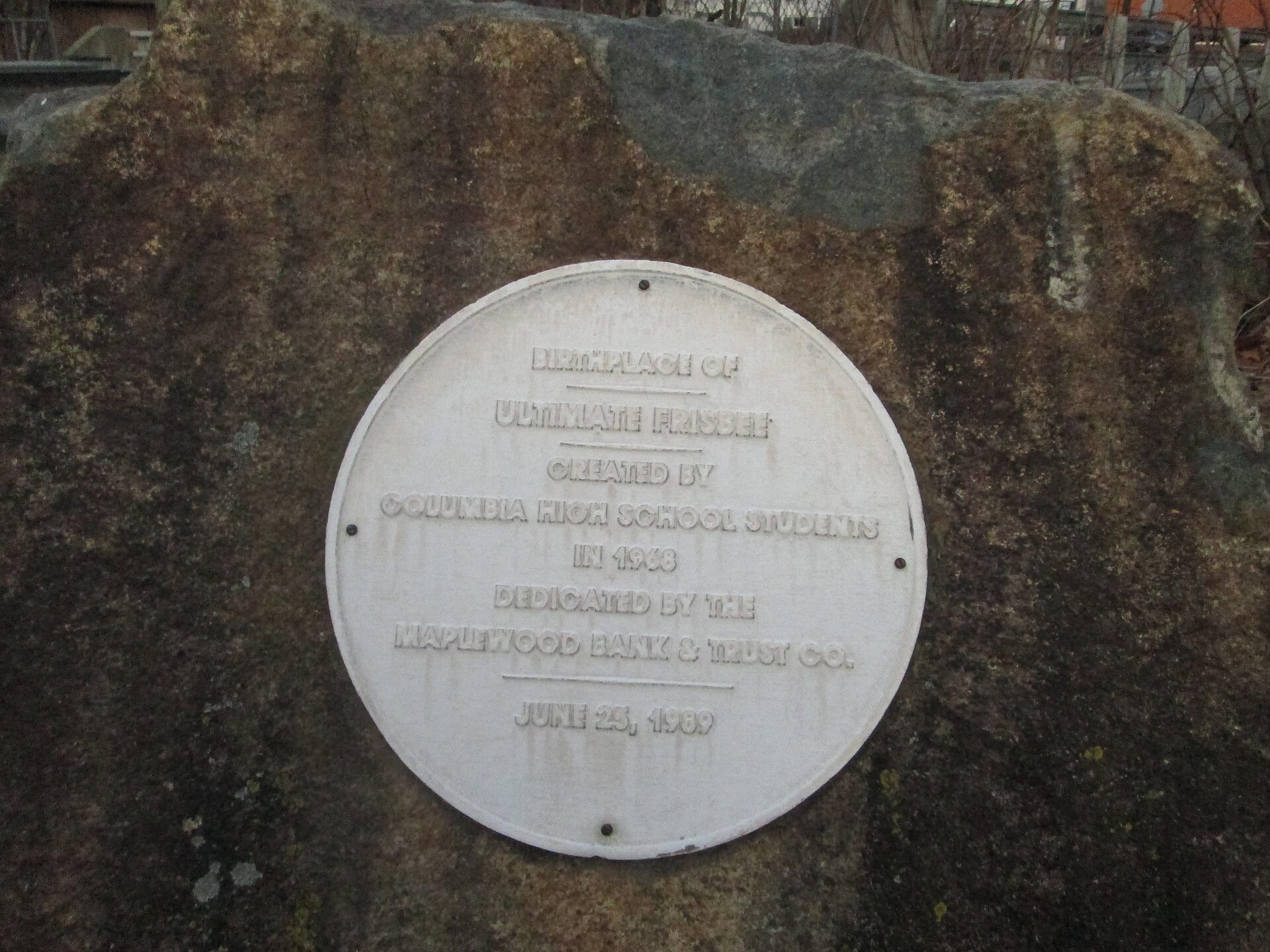
The Columbia High School parking lot has stayed central to Ultimate’s memory even as the sport’s footprint expanded far beyond Maplewood. ABC News described that parking lot as the game’s birthplace and compared Joel Silver to Abner Doubleday in baseball mythology, a comparison that fits the way founders’ stories become part of a sport’s identity. A 2025 New York Times story said original players were still throwing in the New Jersey parking lot nearly 60 years later, keeping that origin site active in the sport’s collective memory.
The numbers around the sport’s growth are just as striking. NJ Spotlight News put Ultimate at nearly 5 million participants worldwide, a scale that would have been impossible to imagine in the first Columbia schoolyard version. Columbia College Today added another sign of continuity in 2024, noting that alumni from the early Columbia team reunite every September to play the game that brought them together. The origin story lives on not as nostalgia, but as a working explanation for how the sport still behaves.
What the Columbia story says about Ultimate today
Ultimate’s DNA is still visible in the way it balances structure and improvisation. The game now has standardized dimensions, recognized competition, and a worldwide player base, but its culture still reflects the student-led, experiment-first environment where it was born. The parking-lot field, the telephone-pole goal lines, and the self-refereed format all point to the same truth: the sport was built by players who were inventing the rules as they went.
That is why Ultimate still feels different from more centrally managed sports. Its rise from Columbia High School in 1968 and 1969 did not erase the improvisation that created it. It turned that improvisation into identity, and that identity remains one of the sport’s strongest competitive and cultural assets.
Sources
- [1]wfdf.sport
- [2]wham-o.com
- [3]history.com
- [4]njspotlightnews.org
- [5]abcnews.com
- [6]college.columbia.edu
- [7]nytimes.com
- [8]ultimatehall.org