Ultimate Frisbee explained, the rules behind self-officiated play
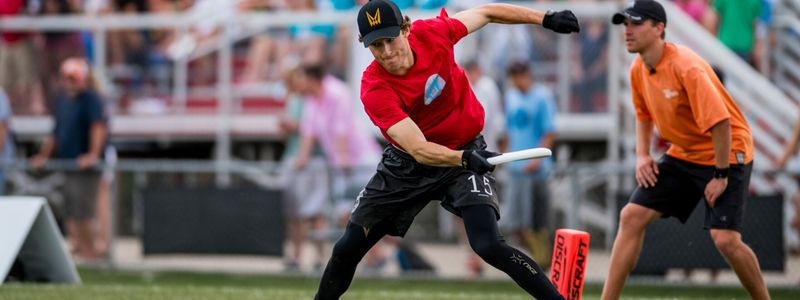
Ultimate starts the same way every point does, with a pull into a field that is built to force motion, not collision. Seven players line up against seven, the disc flies into a 70-yard by 40-yard playing area with 20-yard end zones, and the offense has to work the disc forward by passing alone. That simple frame is what makes the sport feel so different from other field games: nobody can run with the disc, nobody is waiting for a referee to save a broken play, and every cut, throw, and turnover matters because space is the real currency.
From Columbia High School to a global game
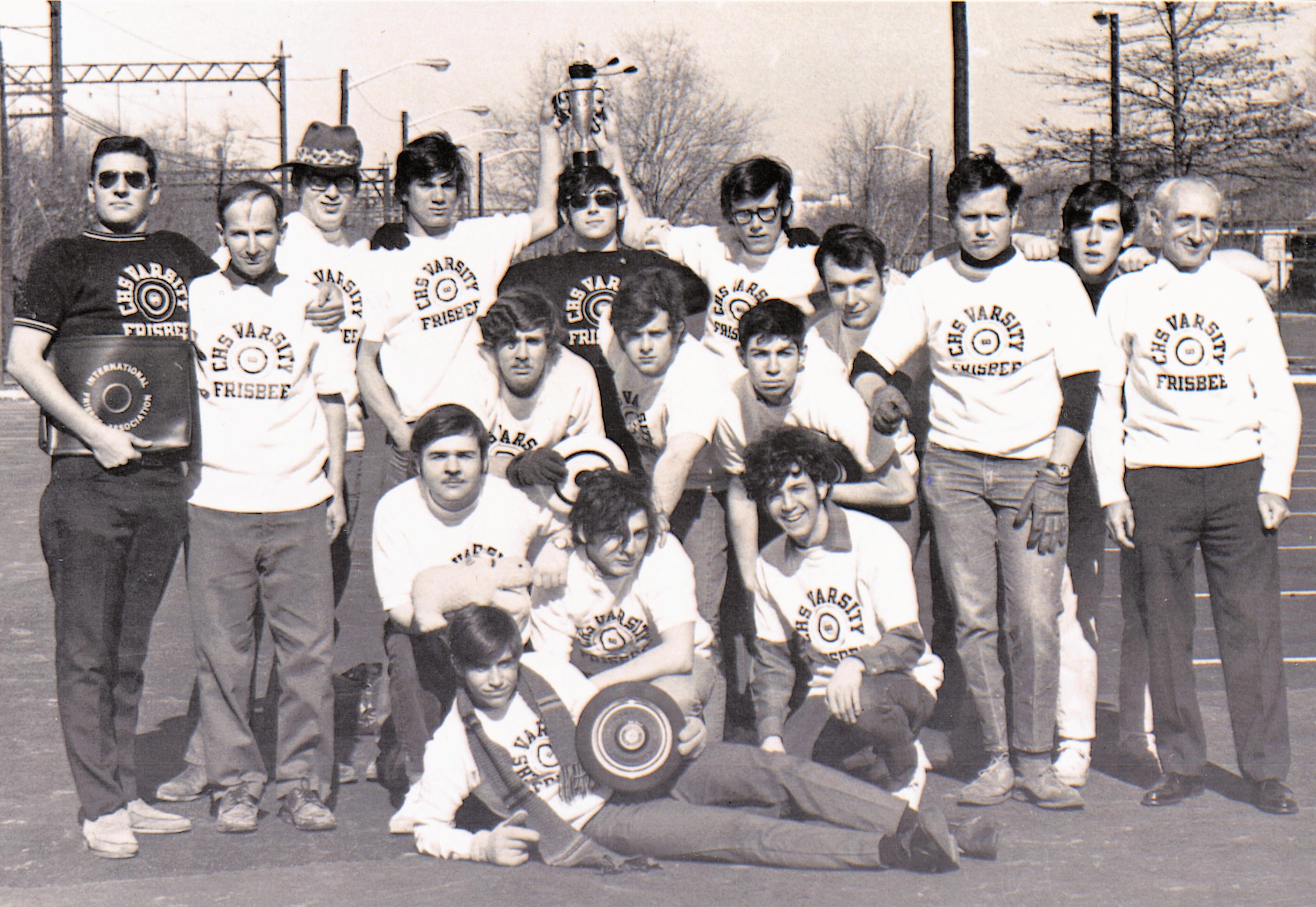
Ultimate as it is played today traces back to the summer of 1968 at Columbia High School in Maplewood, New Jersey, where The Founders included Robert L. Rauch and Michael E. Iacovella. The earliest games did use referees, but they did not last long. Self-officiating took hold quickly, and by the time unofficial national championships were being held in the mid-to-late 1970s, that player-run identity was already baked into the sport.
The game did not stay local for long. The World Flying Disc Federation was founded in 1984, and its history now places Ultimate at an estimated 100,000 players in more than 50 countries. USA Ultimate counts more than 31,000 members of its own, and its Club division reflects how broad the sport has become at the top level, with men’s, women’s, and mixed-gender competition all living under the same competitive umbrella.
The first throw changes everything: the pull and the field
A point begins with the pull, the defensive team’s opening throw that sends the disc downfield and starts the possession sequence. That launch matters because the geometry of the field shapes everything that follows. A 70-by-40-yard field with 20-yard end zones gives offenses room to attack deep and plenty of space for defensive pressure to force awkward throws.
Ultimate’s structure rewards angles. The width opens lanes for continuation passes, while the depth of the end zones changes how players space the field near the goal line. Instead of crashing into a packed lane the way players do in some other field sports, cutters have to carve out separation, because the disc can move faster than any runner once the offense starts stringing passes together.
How possession moves: passes, stalls, and turnovers
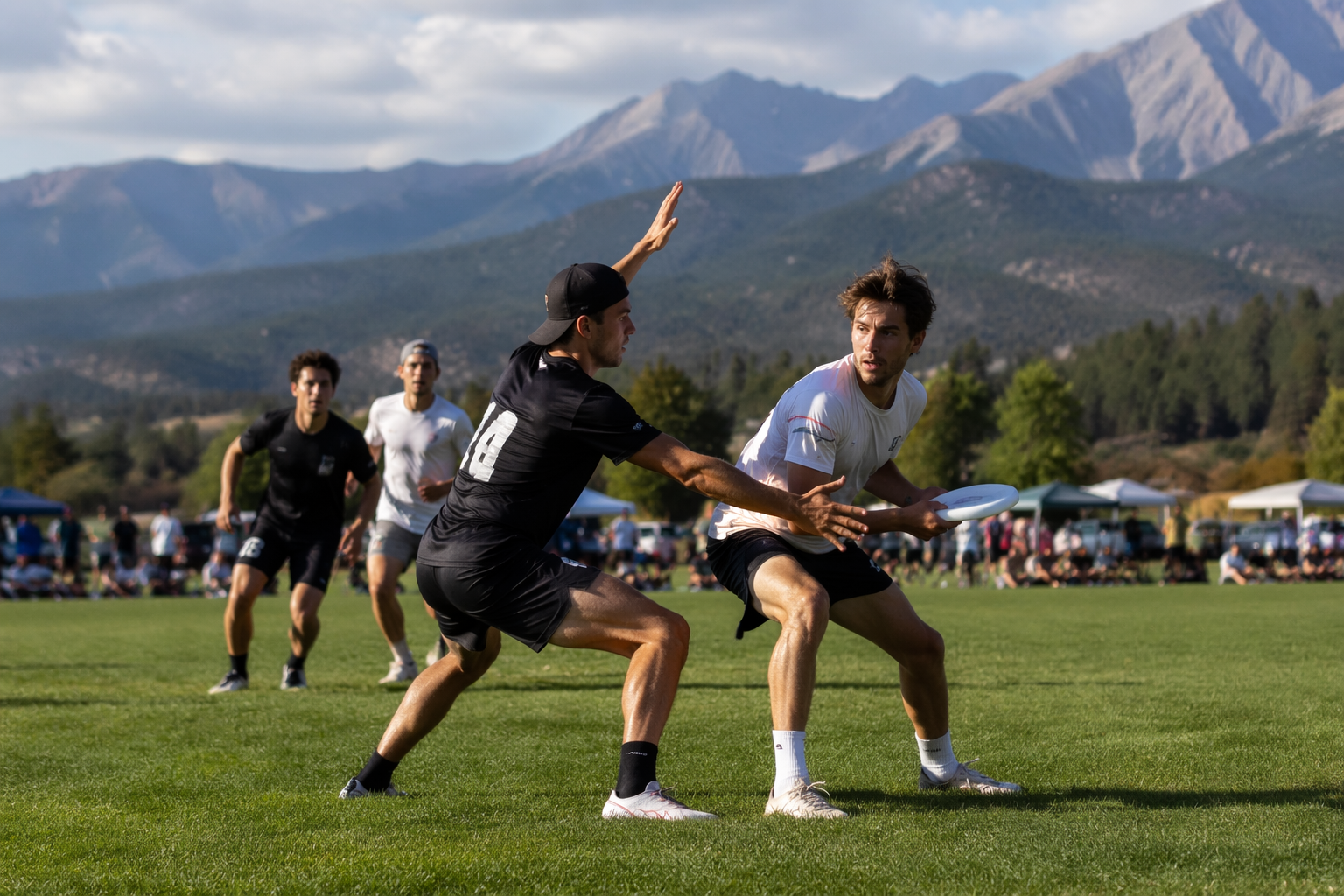
The offense advances by throwing, not carrying. The thrower cannot run while holding the disc, so every possession becomes a series of decisions under pressure: clear space, create a throwing lane, and release before the defense takes away the count. The marker counts a ten-second stall, and that timer is one of the sport’s great equalizers because it forces the thrower to solve the problem in real time.
Turnovers are immediate and unforgiving. An incomplete pass changes possession right away, whether the disc hits the turf, gets blocked, is intercepted, is stalled out, or sails out of bounds. That means every throw carries a cost, and every defensive touch can flip the field before the offense has time to reset. A legal catch in the end zone the offense is attacking is the only thing that ends the point with a score.
Self-officiation is not a side note
The rulebook does not treat self-officiation as a cultural extra. It is the operating system. USA Ultimate’s official rules place responsibility for fouls and line calls on the players, and disputes are meant to be resolved by the players themselves under Spirit of the Game. USA Ultimate’s Spirit of the Game language is blunt about that responsibility, saying athletes make their own calls “without the help of a neutral official.”
WFDF says the same idea more broadly: Ultimate is a non-contact, self-refereed team sport, and Spirit of the Game places fair play on every player. WFDF also describes Spirit of the Game as similar to fair play and sportsmanship, but with a much higher emphasis in Ultimate. That distinction matters, because the sport asks players to compete hard while also protecting the integrity of a game that runs on trust.
Observers fit into that model without replacing it. USA Ultimate’s observer program makes clear that observers may help with dispute resolution and uphold Spirit of the Game, but the responsibility for the integrity of Ultimate remains with the players. The sport can be intensely competitive and still self-governed; that is not a contradiction, it is the point.
Why the rules create the style
Ultimate’s rules do more than regulate play. They create the tempo. The non-contact rule shapes cutting and defensive positioning, because defenders have to contest space without the body-first habits seen in many other field sports. The stall count forces quick decisions. The 70-by-40 field pushes offenses to stretch horizontally and vertically, while the end zones reward patience as much as speed.
That structure also gives the sport room to adapt without losing its identity. WFDF’s rules allow variations to the basic structure and rules to fit special competitions, the number of players, the age of players, or available space. USA Ultimate’s rules page identifies the 2026-2027 set as the current official outdoor rules, while WFDF’s current rules took effect on January 1, 2025. Those flex points explain why the same sport can survive across college, club, youth, beach, and indoor formats.
The biggest stages have only sharpened that identity. WFDF now runs the world championship structure on a quadrennial cycle, and the World Games have become a major showcase for the sport. Even at that scale, the central logic has not changed: one disc, seven players, no referee-driven rescue, and a game where the rules are not just a framework but the engine that produces the action.