Ultimate frisbee’s other World Cup brings local players global stage
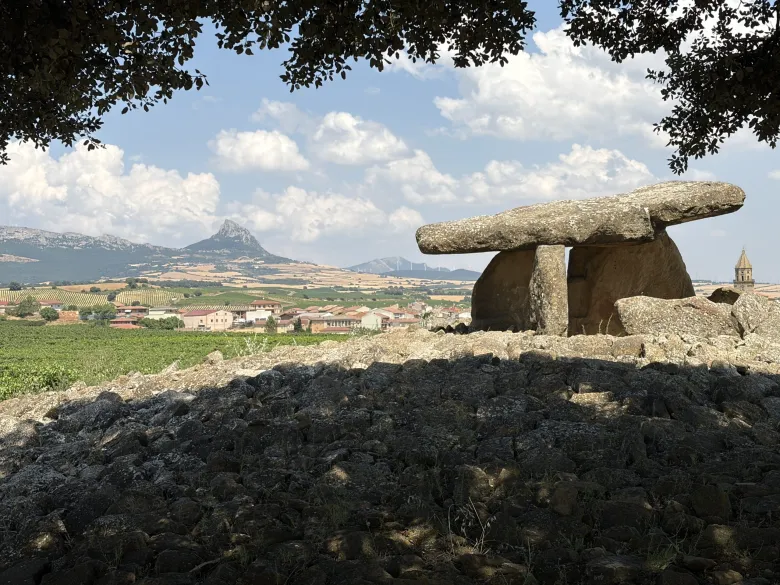
A Greenfield, Massachusetts lens on ultimate frisbee opens onto Logroño, Spain, where the 2026 World Junior Ultimate Championships put 47 national teams from 26 countries on the same bracket. That is why this event reads like the sport’s other World Cup: it gives U-20 players a national-team stage, a cross-border test, and a glimpse of the level they are chasing.
What makes WJUC the sport’s hidden World Cup
The World Flying Disc Federation defines the World Junior Ultimate Championships as the world championship event for U-20 national teams, and it runs every two years on even years. That makes the tournament more than a youth showcase. It is the formal international checkpoint where junior talent gets measured against the best players in the same age band.

The 2024 edition in Birmingham, UK, ran from July 21 to July 27 and featured Women’s, Open, and Mixed divisions. WFDF had expected teams from more than 20 nations, and the final field grew to 42 teams from 23 countries with about 1,000 athletes. USA and France took gold there, and the spread of teams across Asia, Europe, Pan America, and Oceania showed how far the junior game had traveled.
Logroño raised the ceiling again
The 2026 championships in Logroño stretched across eight days, from July 11 to July 18, and WFDF described it as world-class competition from start to finish. The field expanded to 47 national teams from 26 countries, with more than 1,200 participants. A tournament preview counted the same 47 teams heading to Spain, underscoring how large the event had become before the first pull.
The medal results made the global footprint even clearer. Canada won the Open division, USA won Mixed, and France won Women’s, giving three different nations the top spot in the three championships. That spread matters because it shows WJUC is not a one-country pipeline or a single-region showcase. It is a genuine international title fight where programs from North America and Europe, and teams with different domestic structures, arrive with something real to prove.
How national-team pathways are built
USA Ultimate publicly posted its U-20 national teams and team details for Logroño, a reminder that the junior world stage is organized through national selection, not club invitations. Ultimate Canada said it sends three teams, Open, Women’s, and Mixed, which matches the championship structure and shows how federations build depth across divisions. Those roster decisions are what turn a local standout into a national-team player long before the senior club spotlight arrives.
That is the bridge local readers can actually see. A player who grows up in a place like Greenfield does not have to jump straight from youth leagues to elite open club competition without a stop in between. WJUC creates that stop, and it does so in a format that is recognizable to any serious ultimate follower: a country badge, a division title, and a schedule full of international opponents with different styles, systems, and expectations.
Why the event matters beyond medals
The cultural significance of WJUC comes from who gets to be there. In 2024, about 1,000 athletes came to Birmingham from 23 countries, and in 2026 more than 1,200 participants arrived in Logroño from 26 countries. That growth tells a simple story: junior ultimate is no longer a niche add-on to the sport. It is one of the clearest places to see the game’s international expansion in real time.
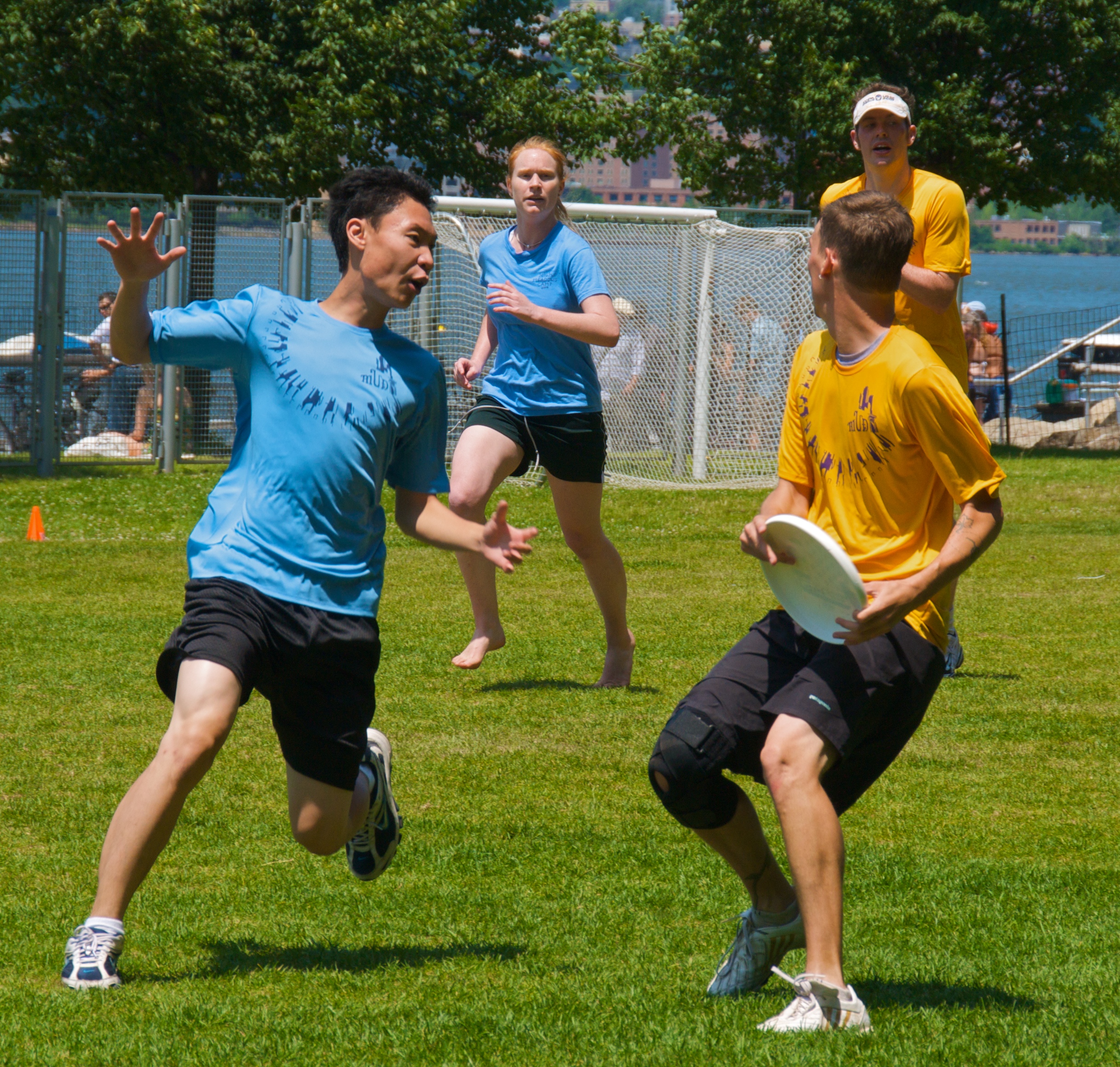
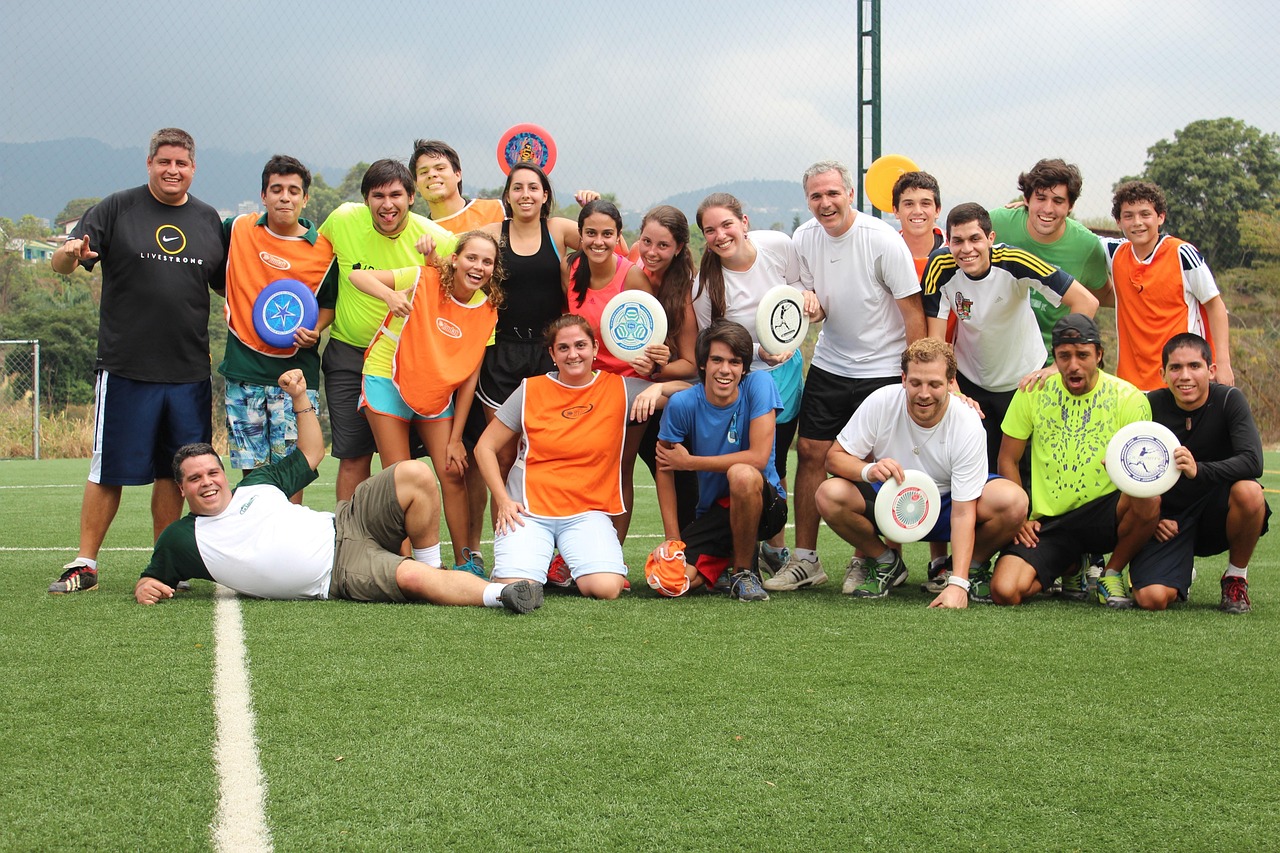
The tournament also keeps the grassroots feel that makes ultimate distinctive even at the world level. Players are still young, the national-team pipeline is still being built, and the sport’s community identity remains visible in how federations, coaches, and athletes move through the system. Yet the competitive stakes are unmistakable, because a WJUC title can validate a country’s development program and give a player the kind of international resume that carries into future national-team and elite club selection.
That is the hidden World Cup story. The matches in Birmingham and Logroño were not just about medals in Women’s, Open, and Mixed. They were about where the next generation of ultimate players learns to compete, how national programs identify the talent that will shape the senior ranks, and why a local name from a place like Greenfield can suddenly belong on a global stage.