Ultiworld maps World Junior Ultimate Championships in Logroño, Spain
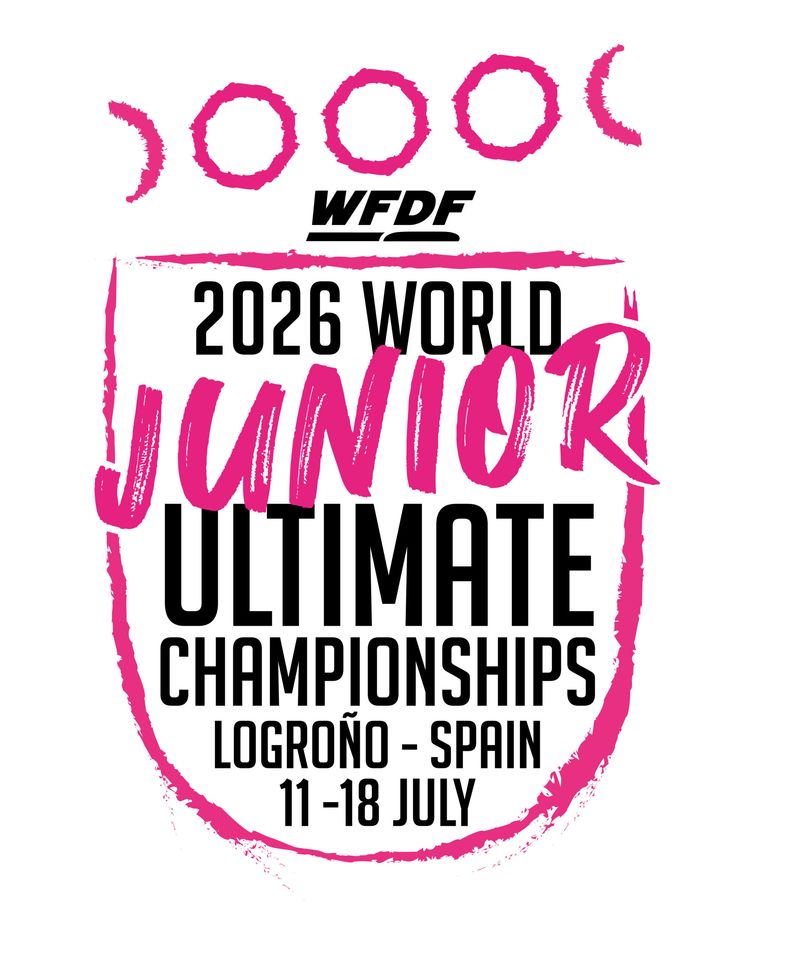
The World Junior Ultimate Championships turned Logroño into the sport’s most useful scouting board, with 47 national teams and 1,046 players spread across eight days at Ciudad Deportiva Pradoviejo on Calle Serradero. Ultiworld’s event page sat at the center of that movement, giving the quickest path to scores, schedules and the tournament’s full map of pool play, bracket play and medal rounds.
The Logroño hub
Ultiworld set the championship page up as a one-stop guide for the 2026 WJUC, linking straight to the official event site and the WFDF scores-and-schedule board. That made sense for a national-team championship that needed one place to follow the open, women’s, mixed and youth age-group fields as the tournament moved from early rounds into elimination games.
Around that hub, Ultiworld built a broader coverage stream that included day-by-day recaps, live coverage and opinion pieces tied to upsets, elimination-round drama and highlight plays. The event page was not just a calendar entry. It became the index for a weeklong international story that stretched from the first pulls on July 11 through the final medal matches on July 18.
WFDF framed the trip to Spain as a return to familiar ground, saying it was thrilled to welcome the world back to Logroño. The federation also pointed back to the tone of the 2025 event, describing Ultimate athletes as “respectful, joyful, and spirited in everything they do.” Those words captured the public face of a championship that asked one city to host the sport’s next generation at full scale.
The field and the broadcast window
The size of WJUC 2026 made it clear why the event mattered beyond one week of results. WFDF said the tournament brought together 47 national teams over eight days, while Ultiworld listed 1,046 players in the field. Across three divisions of competition, that created enough depth for a single upset to reshape a bracket and enough variation for countries to reveal how serious their youth systems have become.
The viewing setup matched that scale. Ultiworld’s July 6 streaming guide said 100 games were broadcast live, including all quarterfinals, semifinals and medal matches. For fans following at home, that meant the most important games were not hidden behind the earlier schedule, and for the event itself it showed a championship organized well beyond a basic results page.
What the medal table said about development
The clearest competitive signal from Logroño was which programs kept showing up when the games tightened. WFDF’s July 20 wrap-up listed Canada, the USA and Great Britain among the gold medalists at WJUC 2026. That mix mattered because it showed both continuity and expansion: the USA and Canada remained central to the junior world picture, while Great Britain added another country to the list of programs turning youth investment into top-end success.
The recent comparison point comes from 2024, when WFDF’s WJUC report said the USA, France and Canada were multi-medal winners and that Team USA went nearly undefeated. That earlier result showed a familiar cluster of countries already carrying repeated junior success into the championship stage. Two years later, the gold-medal group widened, with Great Britain joining the winners’ circle and France still part of the recent multi-medal conversation.
That pattern is the most important thing to watch from a junior world championship. Players who make an impact here are often the ones who will anchor senior national teams four to six years later, when today’s U20 standouts move into open, women’s and mixed systems. A country that can keep placing at WJUC is usually building more than one strong roster cycle. It is building a pipeline.
Why Logroño mattered to the senior game
The event page captured the logistics, but the field told the larger story. Logroño hosted a championship with enough scale to reward depth, enough broadcast coverage to spotlight the key rounds and enough medal spread to show where junior development is working. The USA and Canada still looked like standard-bearers, Great Britain looked like a program gaining ground, and France remained part of the recent medal mix.
That is what makes WJUC 2026 such a clean snapshot of Ultimate’s next competitive generation. The tournament did more than hand out medals in Spain. It showed which countries are sustaining junior success, which ones are emerging into the elite conversation and which names are most likely to shape the senior game before the decade turns.
Sources
- [1]ultiworld.com
- [2]wfdf.sport