Unexpected Surge in Third-Party Deals Challenges College Sports NIL Cap
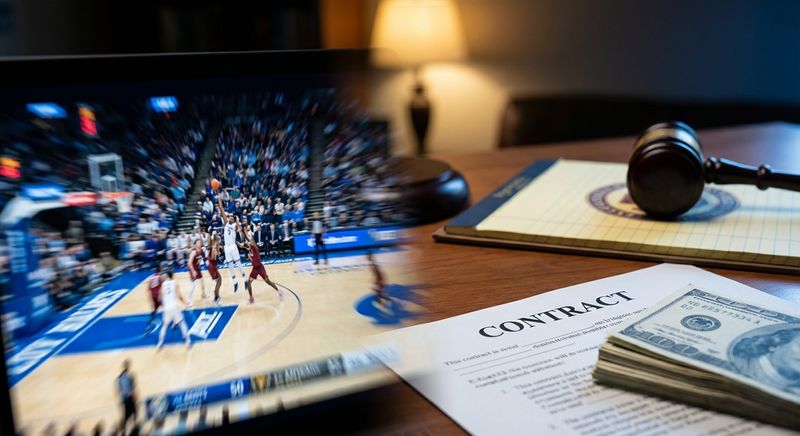
College sports are facing renewed scrutiny after the College Sports Commission revealed an unexpected influx of third-party Name, Image, and Likeness (NIL) deals, which have allowed schools to surpass the established NIL salary cap. Commission CEO Bryan Seeley stated Tuesday that this surge has resulted in longer review times for compliance and oversight.
Since the implementation of the NIL salary cap, intended to maintain competitive balance and prevent bidding wars for top high school talent, most administrators expected a manageable adjustment period. However, the Commission now reports that the volume and complexity of third-party deals—arrangements brokered through collectives, agents, and outside businesses—have dramatically exceeded original expectations. These deals have provided new avenues for athletes and schools to collaborate commercially, but they’ve also created new challenges for regulatory bodies.
- Third-party NIL deals are increasingly being used to supplement or circumvent direct compensation limits set by the cap.
- The College Sports Commission has noted a significant increase in the number and value of such deals since the start of the year.
- This surge is causing delays in the review and approval process for NIL arrangements, as each deal must be evaluated for compliance.
According to the Commission, the unexpected growth in these deals has put a strain on resources and forced a reevaluation of current review protocols. As more athletes and schools seek to maximize NIL opportunities, oversight authorities are grappling with how to maintain fairness and transparency while allowing legitimate business relationships to flourish.
College sports stakeholders are now watching closely as the Commission considers potential responses, including updated guidelines, increased staffing for compliance review, or adjustments to the NIL cap structure itself. The ongoing debate highlights the rapidly evolving landscape of college athletics, where new revenue streams and regulatory frameworks are constantly reshaping the competitive environment.
For more on the latest developments in NIL policy and college sports regulation, visit the ESPN College Sports homepage.