Unpredictable NBA Playoff First Round Sets Stage for Semifinal Drama
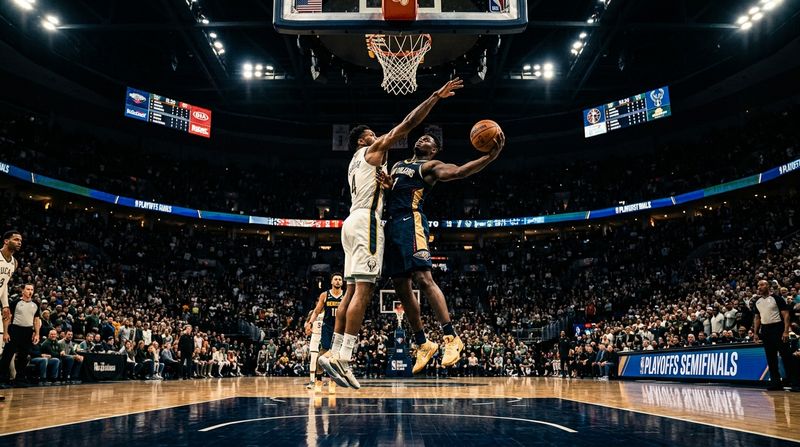
The opening round of the 2026 NBA Playoffs delivered an array of surprises and strategic revelations, shaking up expectations for the championship chase. Insights from ESPN analyst Zach Kram highlight how shifting rotations, standout performances, and evolving team strategies in Round 1 are poised to impact the semifinals and even ripple into the coming offseason.
One of the most prominent themes was the growing importance of bench depth. Teams that invested in versatile reserve units reaped significant rewards, with several series swinging on the contributions of non-starters. Kram notes that, in a year marked by frequent injuries and unpredictable matchups, deeper benches provided the flexibility to adapt and maintain intensity across seven-game grinds. This trend points to a postseason environment where star power can be blunted by a relentless supporting cast, magnifying the value of roster construction beyond just marquee names.
Another defining storyline was the aggressive play of established stars, particularly Karl-Anthony Towns. Kram singles out Towns' assertiveness as a catalyst for his team's advancement, noting how his offensive versatility and willingness to attack mismatches forced opposing defenses into constant adjustments. This approach not only elevated Towns' individual production but also created opportunities for teammates, underscoring the impact of stars who can dictate game flow by imposing their will early and often.
- Bench scoring increased by an average of 16% compared to last postseason, according to Kram's analysis
- Multiple Game 7s were decided by late-game contributions from reserves, highlighting the unpredictable nature of the opening round
- Star players who aggressively sought out mismatches saw their teams average over 8 more points per 100 possessions
Kram's breakdown also identifies tactical shifts that could shape the semifinals. Teams are increasingly leveraging lineup flexibility, with coaches quick to adjust rotations and deploy unconventional combinations in response to opponent strategies. This adaptability was particularly evident in series where underdog teams extended their runs by disrupting the rhythm of higher-seeded opponents. The willingness to experiment with small-ball, dual-center looks, or increased wing play has made predicting outcomes more challenging than ever.
The chaotic nature of the first round also holds implications for the offseason. Franchises that faltered due to shallow benches or inflexible schemes may feel pressure to rethink their roster-building philosophies. Meanwhile, the success of deep, adaptable squads could influence how teams prioritize player development and free agency decisions heading into next year.
With Round 1 in the books, the semifinals promise even greater intrigue. The unexpected lessons learned—about roster depth, aggressive star play, and tactical flexibility—have set a new standard for what it takes to survive and advance in the modern NBA postseason.
Sources
- [1]ESPN NBA