US Quadball checklist shows season starts with budgets and certifications
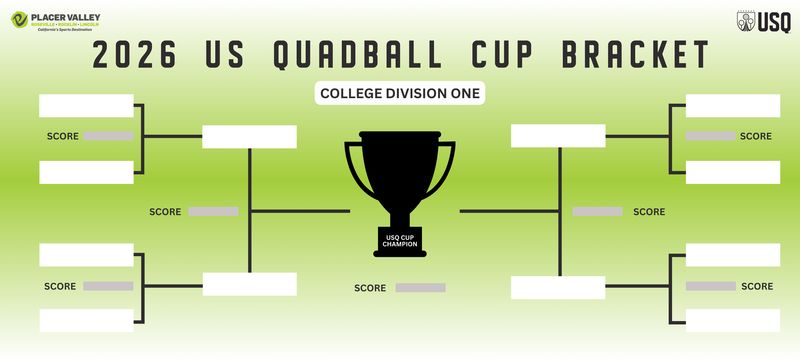
A quadball season does not begin with the opening pull. It begins when teams lock in tryout dates, set practice sites, write a budget, and figure out how they will get enough people certified to stay eligible. US Quadball’s checklist treats those chores as the core of the sport, not the background noise, because the clubs that survive are the ones that handle logistics before the first whistle.
The season is built a month before the first event
US Quadball says teams should finish season-planning tasks at least one month before their first event, and that timing tells you how much of the year is decided before anyone steps onto a pitch. The checklist starts with the basics: set tryout dates, choose practice times and locations, build a season budget, map out fundraising, and write recruitment and retention plans. It also recommends at least one practice a week, which makes the sport look less like a weekend pastime and more like a club program that has to keep players engaged all year.
The money side is just as specific. USQ tells teams to budget for both a national qualifier and travel to the US Quadball Cup, and that travel line item matters because the Cup is the pinnacle of the season. The event spans four divisions and, by USQ’s own description, brings together more than 50 teams and more than 1,000 athletes each year. For a club trying to make a season happen at all, that means airfare, lodging, ground transport, and contingency cash are not extras, they are the plan.
Certification is the real roster test
The most unforgiving part of the checklist is compliance. USQ says every team needs one certified coach, that coach must be present at all official matches, and certification is due 24 hours before the first official game. That deadline turns coaching from a sideline role into a hard eligibility requirement, and it puts pressure on clubs to sort out leadership long before the opening match.
The same logic applies to officiating. USQ says teams need six to seven individuals to satisfy officiating certification requirements, which means a club is not just fielding athletes, it is building an officiating bench behind the scenes. Trial membership can cover one event, but not a national qualifier or US Quadball Cup, so clubs cannot rely on last-minute patchwork when the biggest events arrive. USQ also says officials membership automatically qualifies members for HR, LAR, AR, and flag runner certification, a reminder that quadball depends on trained volunteers as much as it depends on players.
The resource library is the offseason playbook
USQ has turned those demands into a working library. Its resources include Team 101, college recruitment and club recruitment guides, Fundraising 101, Player Travel Guide, Practice 101, Social Media 101, and Sponsorship 101. That menu shows how much of the season is managed like an operations project: recruit players, keep them, plan travel, raise money, and keep communication steady enough to hold a roster together.
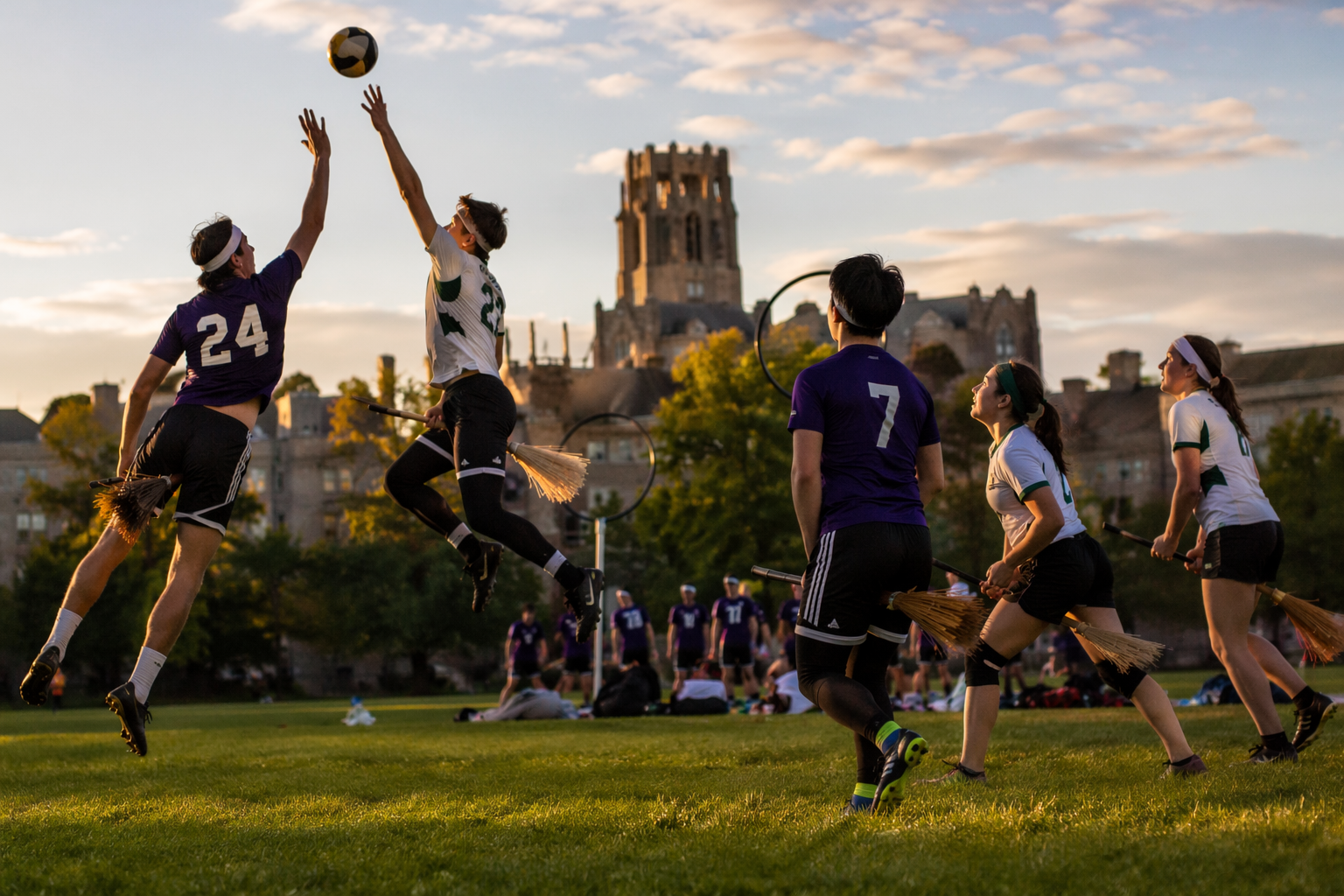
The organization has kept updating those tools as the sport grows. USQ said it launched a revamped Team 101 Guide along with new college-specific and club-specific recruitment guides, built from the experience of successful recruiting teams. In late 2024, it added a collegiate retention guide, a Sponsorship 101 guide, and a sample sponsorship packet, and it said Columbia College Chicago returned while three new club teams joined the ecosystem. The sample sponsorship packet from the Warriors, a former USQ club team, points to why that matters: USQ says the team brought in more than $10,000 across its final three seasons, proof that a clean pitch can keep a club funded when the players alone cannot.
Why the paperwork matters as much as the playbook
Quadball’s modern structure also explains why these systems carry so much weight. US Quadball and Major League Quadball announced the name change from quidditch to quadball on July 19, 2022, and said the International Quidditch Association planned to adopt the new name worldwide. The shift gave the sport a name separate from the Harry Potter franchise, but it also marked a new phase in which the game had to present itself as a stable, organized league sport rather than a novelty.
USQ now describes itself as one of the most gender-inclusive sports leagues in the country, with support for trans, non-binary, and queer athletes. That identity makes retention and recruitment more than administrative chores, because keeping players around means building a team culture that feels safe enough to return to week after week. The sport’s history reinforces the point: outside accounts trace quadball to 2005, when Xander Manshel, Alex Benepe, and friends started it at Middlebury College in Middlebury, Vermont. What began with a small college group has grown into a global game with thousands of players, and the operational burden has grown with it.
The calendar keeps getting bigger
The 2024 event footprint shows how much coordination the sport now demands. A third-party summary of USQ’s 2024 schedule listed seven major events, including six regional qualifiers and US Quadball Cup 2024, with 87 teams participating. That kind of calendar explains why USQ keeps pushing travel planning, fundraising, and recruitment systems into the front office of every club: when the circuit is that full, a team that misses a certification deadline or underfunds a trip can disappear from the season before it ever gets to compete.
USQ’s reports page adds another layer of structure by publishing annual reports and financial statements for donors and the public. That transparency matters in a sport where clubs often live or die on budgets, volunteer labor, and the ability to send enough certified people to the right event on time. The winning teams are usually the ones that solve those problems early, then show up with a full roster, a certified coach, enough officials, and the money to keep moving when the rest of the schedule starts to strain.
Sources
- [1]usquadball.org
- [2]mlquadball.com
- [3]usquadballcup.com
- [4]causeiq.com
- [5]iqasport.org
- [6]wikiwand.com