US Quadball explains national team pathway behind World Cup dominance
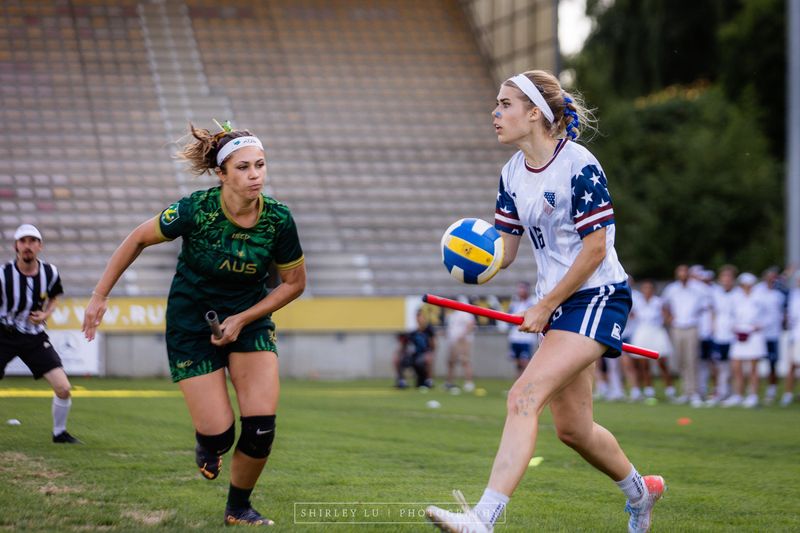
The United States has won World Cup gold in 2012, 2014, 2018 and 2023, plus the inaugural IQA Pan-American Games title in 2019. The national team is the official quadball team of the United States, and the results reflect a system, not just a lineup.
A national team built around continuity, not one-off selection
The defining feature of the U.S. program is its standing-team model. No athlete on the standing roster is guaranteed playing time or a tournament spot, which turns every camp, scrimmage and roster window into a live audition. The head coach can add or cut players as needed, a flexibility that gives the program depth but also raises the pressure on anyone trying to break in.
That setup did not appear overnight. In 2018, USA Quidditch announced that the national team would move toward a standing-team model for the 2019 Continental Games and the 2020 IQA World Cup, with Amanda Dallas back as coordinator and Michael “Yada” Parada back as head coach.
The academy is the bridge from prospect to national-team candidate
Below the standing roster sits the United States National Team Developmental Academy, created in April 2019 by Amanda Dallas, Michael Parada and Ethan Sturm. The academy is not eligible for official IQA events, but it does train with the national team and compete in friendlies and at the Quadball Nations Cup.
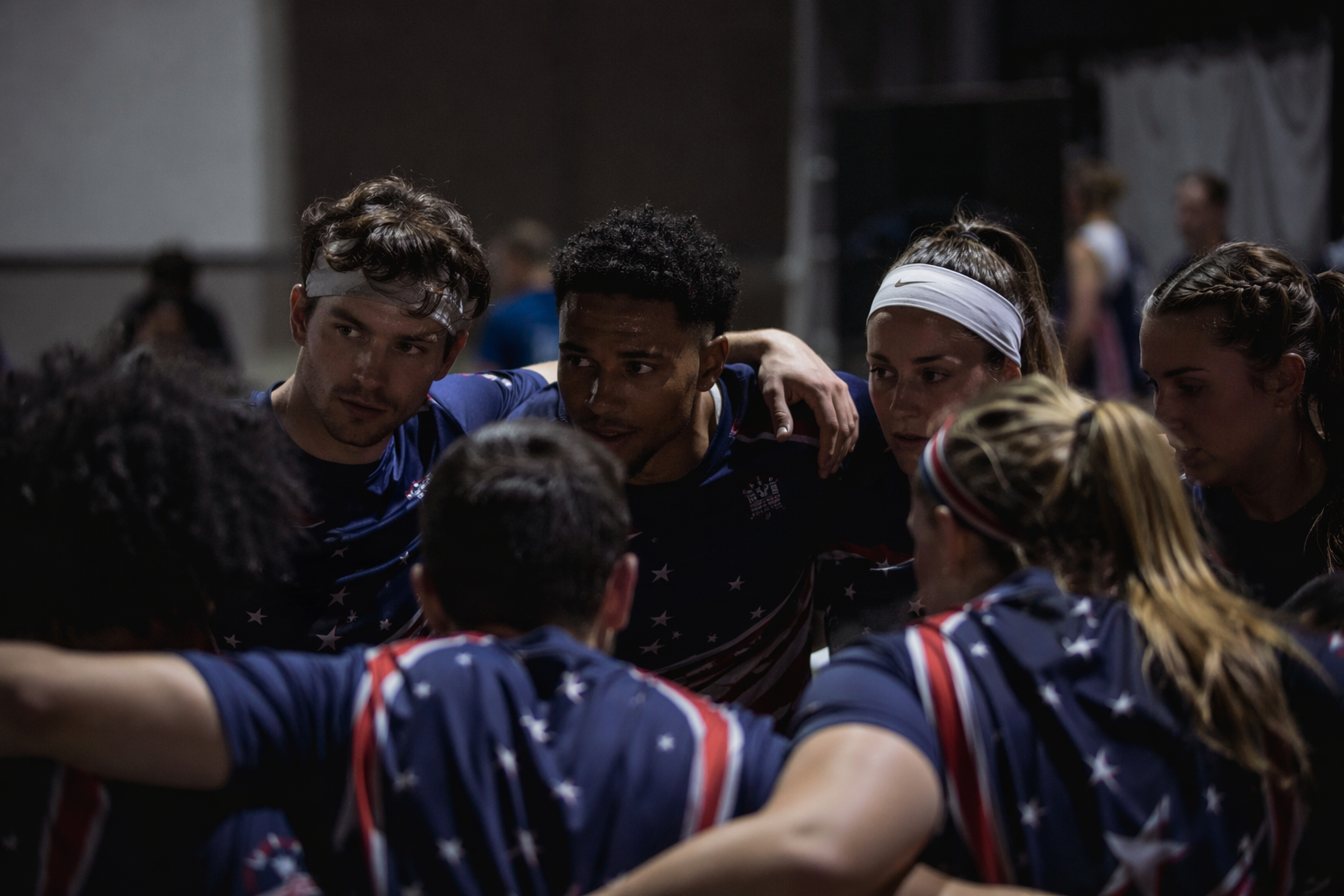
In 2024, the USA Development Team won the second edition of the Quadball Nations Cup, an annual tournament in Salou for development teams and national B teams. The event brought together 20 nations and gave the U.S. development pool a real competitive proving ground instead of an isolated internal scrimmage circuit.
How players get seen: camps, scouts and film
The national-team pathway runs through closed training camps held at least twice a year. Camp fees are set at $25 for players already on the standing roster or in the academy, and $35 for non-members, a modest price by elite-sport standards but still a real filter for athletes traveling from across the country. Sessions run three to four hours and are designed to test decision-making, conditioning and adaptability under the eyes of staff.
Selection is not based on coaches’ eyes alone. Anonymous scouts from around the country observe prospects and report feedback to the head coach, creating a wider evaluation net than a single-event tryout. The join process also asks athletes to complete workout requirements set by the coaching staff and attend closed training camps, which means fitness and availability matter alongside match-day production.
Film is part of the gatekeeping too. USNTDA applicants must submit two unedited videos of official US Quadball or Major League Quadball games, giving selectors a clean look at habits that can disappear in a short camp window. Roles are highly specialized, and a player’s value can shift depending on chasing, beater pressure, catching, or how quickly they recover from a failed possession.
Why the U.S. keeps producing depth
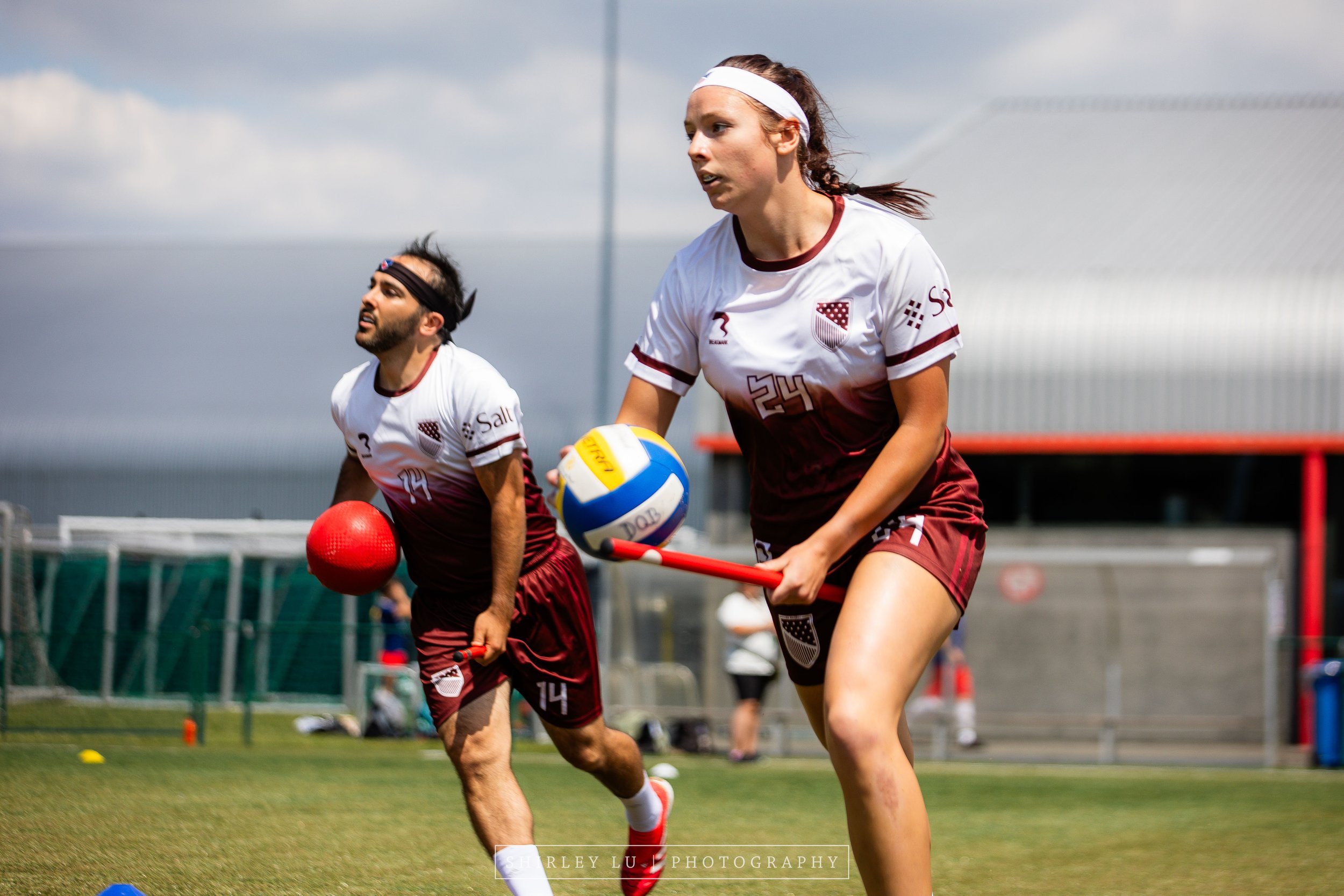
The pipeline works because the domestic calendar feeds it. The US Quadball Cup, the national championship, features four divisions, more than 50 teams and more than 1,000 athletes each year. The national team draws from a large amateur ecosystem, not a tiny elite circle, giving coaches more chances to identify specialists and more competition to separate good athletes from truly national-team-level ones.
US Quadball is a 501(c)(3) nonprofit and the national governing body for the sport. It calls itself one of the most gender-inclusive sports leagues in the country.
The performance standard keeps rising
In the 2023 IQA World Cup final in Richmond, Virginia, the United States beat Germany 140*-50, a margin that underlined how much separation the program can still create at the top of the sport. The World Cup is the premier international quadball event.