US Quadball season hub returns Sept. 1 with tryout calendar open
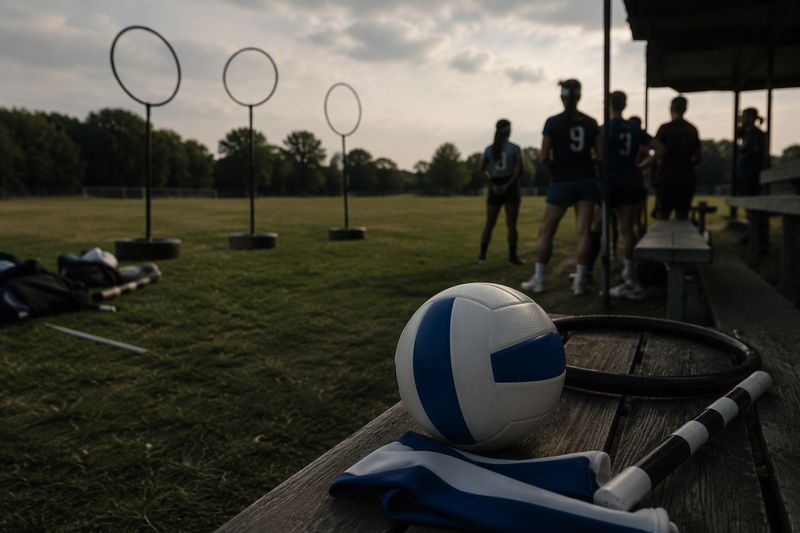
US Quadball is using its season hub as more than a schedule dump: it is the sport’s public reset button. The page says it is for anyone looking to attend their first Quadball event or their fifth, and it points teams toward a tryout submission process that feeds the league calendar. That combination makes Sept. 1 feel less like a date on a page and more like the start of the next organized push for players, clubs, and fans.
Sept. 1 is the signal, but the calendar is the mechanism
The clearest marker on the hub is the line that the season “returns Sept. 1.” That date gives US Quadball a clean seasonal handoff, the kind of fixed point teams can plan around when they are lining up training blocks, recruitment, and travel. Just as important, the hub is built to stay live, with teams invited to submit tryouts so the calendar can keep expanding as clubs add events.
That matters because quadball is still structurally decentralized at the local level. Clubs run their own tryouts, practices, and showcase events, but USQ’s calendar gives those plans a shared national home. For players, that reduces the friction of tracking down scattered announcements; for clubs, it turns visibility into a recruitment asset.
Tryouts sit at the center of the season build
US Quadball’s Season Checklist makes the calendar workflow explicit. Teams are told to set tryout dates, times, and locations and submit that information to USQ for the Season Event Calendar, with those tasks to be completed before tryouts between June 1 and Aug. 1. The checklist page is labeled “PENDING 2026-27 UPDATE,” which shows the league is still refining the operating template that clubs will use to structure the next cycle.
That detail is more than administrative housekeeping. A tryout calendar is where the sport’s growth plan becomes visible: new players need a route in, returning players need a place to reengage, and clubs need predictable windows to recruit. The calendar works as a coordination tool, but it also acts like a public map of where the sport is gaining ground.
A current-season listing for the Atlantic Dragons shows how specific that intake can get. The club tryout entry is aimed at people living a commutable distance from Brooklyn, which is exactly the sort of location-based filter that makes a national calendar usable for local participation. It also shows USQ treating club access as a live, searchable part of the season rather than a separate, hidden process.
The competition structure now has clearer lanes
Beyond tryouts, USQ’s season materials point to a more formal competitive frame. The Season Play Requirements page says all USQ teams are invited to participate in one of four divisions at US Quadball Cup, which gives the championship a clearer tiered structure. That matters for competitive balance, because it suggests the organization is trying to keep the top-end title race accessible while still creating enough structure for different levels of play.
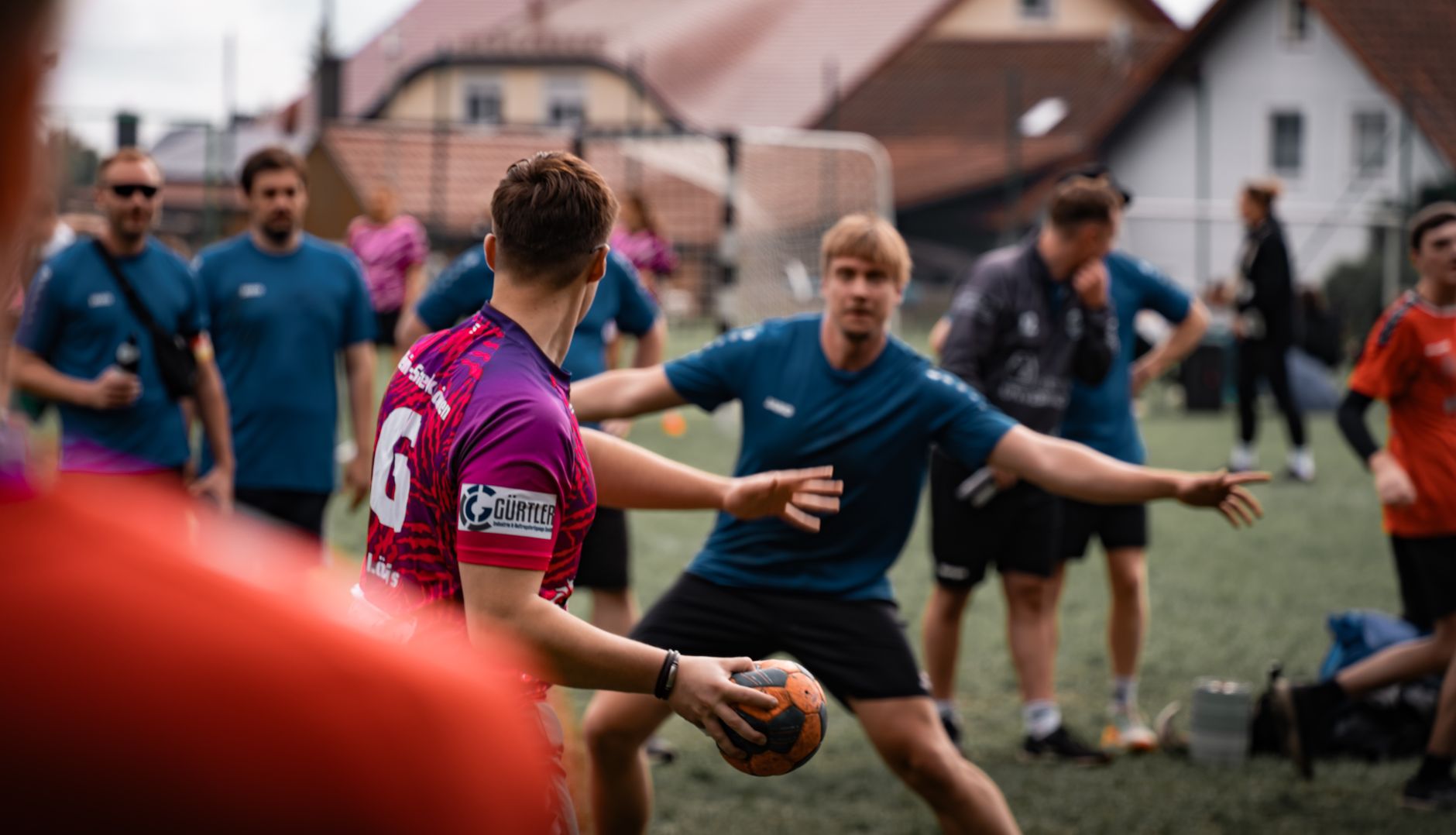
The league also reshaped its season calendar in 2024-25, when it announced a new season structure and event bidding. At that point, USQ said the entire calendar was focused on a single championship event. By 2026, the picture had widened: USQ announced four national qualifier locations for USQ Cup 2026, adding a regional pathway that makes the road to the championship more legible and more geographically distributed.
That shift says a lot about USQ’s priorities. A single centerpiece championship creates a clean focal point; qualifier sites spread access and create more meaningful competition before the final stage. The calendar is no longer just a list of dates. It is the bracket, the travel plan, and the competitive ladder all at once.
April 18-19 in Roseville is the anchor point
The most concrete championship milestone on the 2026 calendar is USQ Cup itself. The event was scheduled for April 18-19, 2026, at the Placer Valley Soccer Complex in Roseville, California. USQ’s Instagram post echoed the same schedule, saying the Cup calendar was live for April 18-19 in Placer Valley, California, and the organization also put early-bird tickets on sale.
Those details matter because they show the calendar serving both sporting and commercial goals. A published venue gives teams a target for planning travel, lodging, and roster decisions, while early-bird ticketing shows that USQ is treating spectator access as part of the season’s public rollout. The Cup is not just the end of the calendar; it is the product that the calendar is designed to support.
What the calendar says about where USQ is headed
Taken together, the hub, checklist, qualifier map, and Cup listings show a league trying to tighten its operational spine without closing off entry points. The “first Quadball event or your fifth” language is welcoming, but the real story is how much structure now sits behind that welcome: tryout deadlines, submission requirements, division pathways, qualifier sites, and a fixed championship weekend in Roseville.
The current-season hub also shows USQ embracing event breadth. Alongside tryouts and championship planning, the calendar includes event-specific listings such as Trick or Beat V hosted by Chicago United, which reinforces that the page is meant to serve both competitive and community-facing moments. That balance is important in a sport where growth depends on making the season feel active at the local level while still tying everyone back to one national calendar.
The result is a roadmap rather than a bulletin board. Sept. 1 marks the seasonal restart, but the real story is the sequence that follows: tryouts through late summer, calendar submissions from clubs, qualifying stops across the country, and a Cup weekend that pulls the structure together in California.
Sources
- [1]google.com
- [2]usquadball.org
- [3]instagram.com