US Quadball’s bid system keeps tournaments organized and official
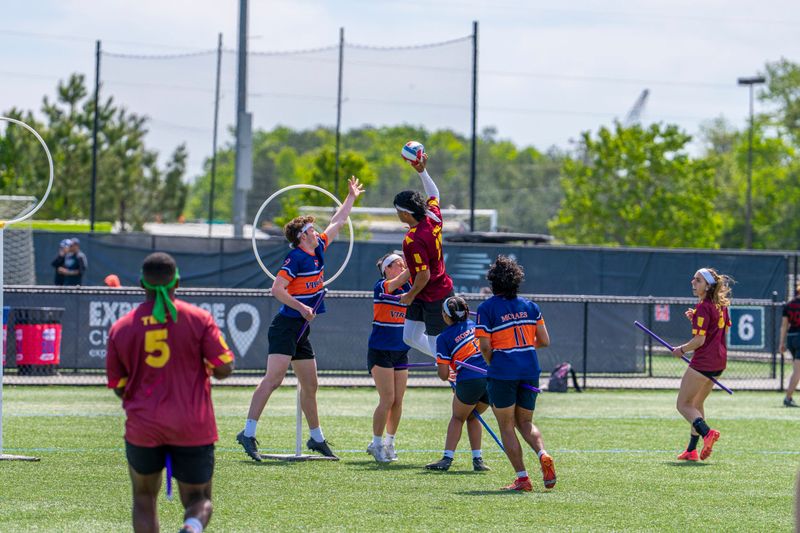
An official quadball tournament is built long before the first pull. US Quadball’s bid system decides which sites can host, which weekends belong to which event type, and which results carry competitive weight, so the sport runs on a certified structure instead of improvised volunteer chaos. That structure is what gives teams and fans a reliable field, a fixed schedule, accountable staffing, and a path to legitimacy when the bracket starts.
How the bid system keeps the calendar from sprawling
USQ divides its season into two distinct blocks: a pre-season from September to mid-January and a competitive season from mid-January to April. Within that frame, it awards four kinds of events through bids: invitationals, Quadballfest, USQ National Qualifiers, and US Quadball Cup. The system is narrow by design, with caps that keep the calendar from ballooning into a patchwork of uncontrolled tournaments.
Those limits matter. Invitationals are capped at three sites, Quadballfest at five, National Qualifiers at four, and the US Quadball Cup at one. In practical terms, that means a host site is not just finding a gym and running games. It is applying for a specific place in a national structure where the number of approved weekends is deliberately limited and every slot has to earn its spot.
Certification is the gatekeeper
The next layer is the Tournament Director certification process, and USQ makes the requirement explicit: all official games must be organized and supervised by a USQ-certified Tournament Director. That requirement is the difference between a weekend that simply happens and a tournament that the sport recognizes as official. It also creates the basic chain of responsibility that keeps the event organized from setup through the final whistle.
The certification path is straightforward but controlled. A prospective host must register for the Tournament Director membership and certification program, review the Tournament Director Certification overview deck, and then schedule a meeting with Events Director Christian Barnes. USQ also separates events into official, sanctioned, and unofficial categories, which gives hosts a clear ladder of formality and tells teams exactly how much weight a result should carry.
A National Qualifier shows the path from bid to approval
A National Qualifier is the best example of how the system works in practice because it sits directly between local hosting and national stakes. USQ says National Qualifiers are hosted across the United States each winter and spring, and those events are the route through which teams earn bids for the USQ Club Competitive division and College Division One at US Quadball Cup. The event is regional in location but national in consequence.
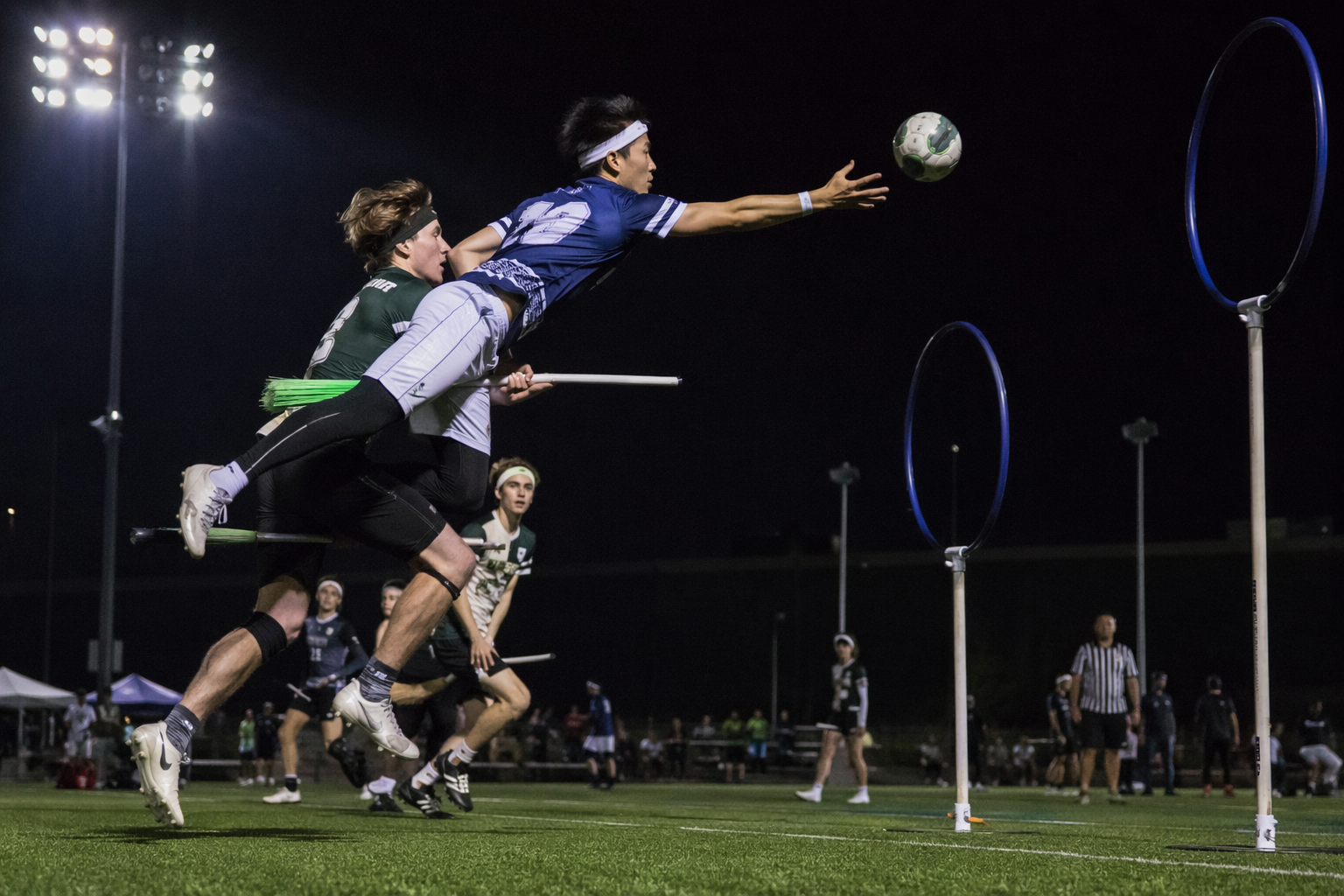
The path from bid to approval is not vague. First, a site has to fit within the limited four-site cap for National Qualifiers. Next, the host has to clear the certified Tournament Director requirement. Then the event has to meet the rules for the category it is asking to run, because sanctioned events must satisfy specific requirements and deadlines, and failure to do so can result in fines. That is not a symbolic policy. It is enforcement, and it is what keeps the calendar trustworthy for teams planning a season.
Why the Cup carries the sport’s competitive weight
The US Quadball Cup is the clearest expression of why the bid system matters. USQ frames the event as the sport’s annual April centerpiece and its national championship, drawing teams from across the country into one final competitive destination. USQ says the Cup typically features more than 50 teams and over 1,000 athletes each year, which explains why the path to the event has to be organized so tightly.
The structure has also become more specific in recent seasons. For 2025-26, USQ set the College Division 1 and Club Competitive Cup divisions at 16 teams each, while College Division 2 and Club Open remained uncapped. That split shows the sport trying to balance access with elite competition, a business-like approach that helps preserve both development and prestige at the top of the bracket.
The Cup’s history gives the event even more texture. USQ dates the championship back to 2007, and before 2016 it was known as the World Cup. Recent host cities have rotated through Richmond, Virginia; Round Rock, Texas; Valley Forge, Pennsylvania; Salt Lake City, Utah; Charleston, West Virginia; and Kissimmee, Florida, which shows how the championship has become a traveling national showcase rather than a fixed-site gathering.
The rebrand made the system easier to read
The formal shift from quidditch to quadball on July 19, 2022 gave the whole framework a cleaner public identity. US Quidditch and Major League Quidditch became US Quadball and Major League Quadball, and the International Quidditch Association said it planned to adopt the new name worldwide. The rebrand did not just change branding; it made the governance structure easier to understand for new players, returning alumni, sponsors, and fans.
That matters because the sport’s credibility now rests on more than enthusiasm. It rests on a repeatable hosting model with defined event types, capped site counts, a certification path for organizers, and a championship structure that decides who advances. The hidden story behind every official quadball tournament is not scramble and luck. It is a system built to make sure the games count.