USA Hockey forms keep USHL roster movement, eligibility organized
USA Hockey identifies the USHL as the only Tier I junior hockey league in the United States, and its forms, rulebooks and transfer notices decide who can join, who can move, and who can stay attached to a team’s pipeline. In the USHL, eligibility and rights are often sorted off the ice before a player ever takes a shift.
The forms behind the chaos
USA Hockey’s Forms & Rulebook page for registered Junior Tier I, II and III leagues and teams points directly to the tools that keep junior hockey organized: international transfers, drop/add forms, tryout notices and official’s game reports. A roster is a living file that gets updated when a player is added, moved, evaluated or cleared.
Its junior program serves players ages 16 to 20, so the paperwork covers the exact years when prospects are most likely to change teams, change countries, or get pulled into a bigger development path. The USHL sits alongside the NAHL and NA3HL under USA Hockey, but it is the top rung.
What the rulebook actually governs

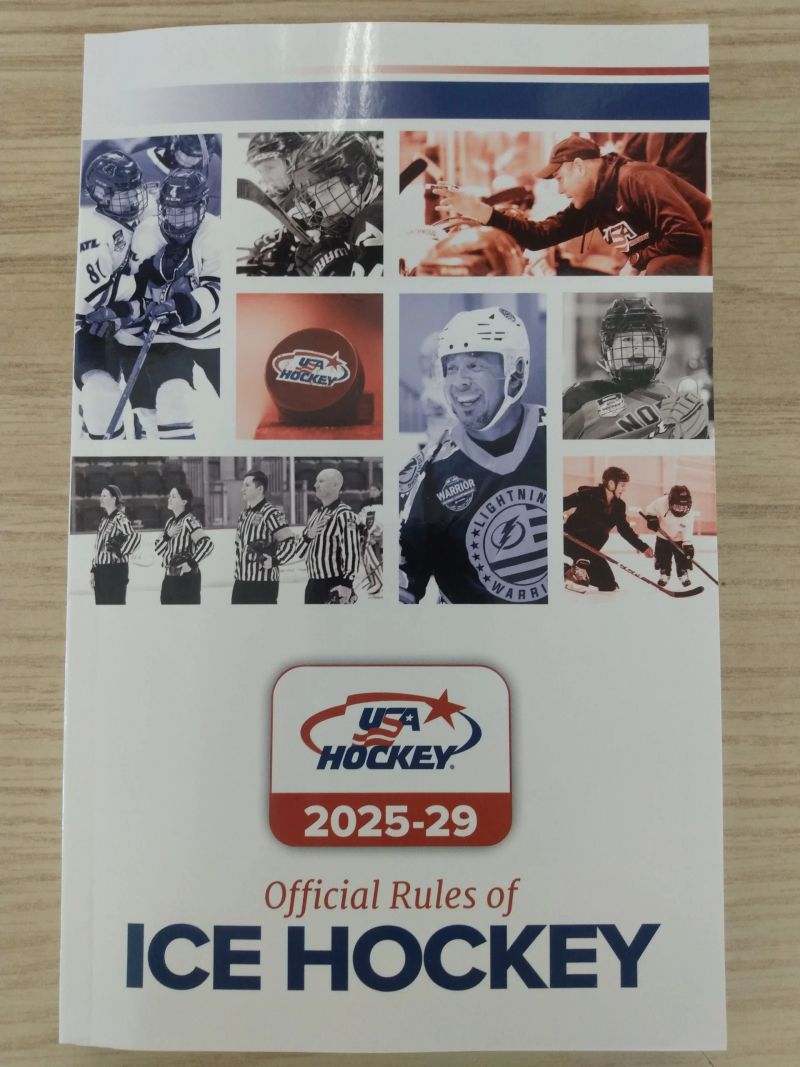
Two key USA Hockey documents govern that system: the 2025-26 Players Rights, Rules and Responsibilities and the Junior Rulebook 2025-2029. On the Junior Playing Rules 2025-29 page, the Junior Rulebook 2025-2029 is the specific rulebook for Junior A Tier I, Tier II and Tier III leagues with Junior Council approval, and it governs eligibility, movement and competition.
The 2025-29 playing rules changes were voted on at the USA Hockey Congress’s 2025 Winter Meeting on January 19, 2025, then took effect on August 1, 2025, and run through August 2029. USA Hockey also offers an updated rulebook app in the Apple App Store and Google Play Store, with playing rules, casebook Q&A situations and an Ask the Official feature.
When a player changes countries or camps
Under International Ice Hockey Federation regulations, players moving from another country to register and compete under USA Hockey jurisdiction must apply for a transfer. Any player who does not hold U.S. citizenship must submit a completed transfer form before registering and competing. That requirement covers Canadian and European prospects who want to land in the USHL.

A USA Hockey and Hockey Canada try-out notice sets the try-out period to begin after the player’s current season ends, or April 1, whichever is later, and is designed to initiate the transfer process between teams in both federations. A player can look “available” to fans long before that player is actually clear to move.
Drop/add forms sit in the same ecosystem, handling the day-to-day churn of a season. A player can be added, removed, or reclassified only if the paperwork matches the movement. That is how front offices keep a roster legal while the line chart keeps changing from week to week.
Why the USHL still lives by old registration rules
A 2021-2022 USHL Rules and Regulations document included sections on player registration, player eligibility, trades and waivers, plus conditions for participation in player transactions, tender use, the annual draft and league assessments. Rights are attached to tender decisions, draft results and transaction rules that determine where a player can go next.
That older rule structure explains why a player can seem to “belong” to one organization even after a quiet stretch elsewhere. If a team holds rights through the tender system, draft structure or transaction rules, the player is not free-floating. The league’s paperwork decides whether that player can be rostered, traded, recalled or retained.
The deadline that keeps everything honest
The 2025-26 Tech Bulletin requires Tier I roster submissions to be approved no later than October 15, and no new Tier I programs can be added in 2025-26 or 2026-27 unless USA Hockey approves them.
The same season brought a standard USHL player development agreement that included support for travel and secondary education, along with reimbursements for training and career-ending injuries.