USA Hockey reporting system drives USHL discipline after penalties and fights
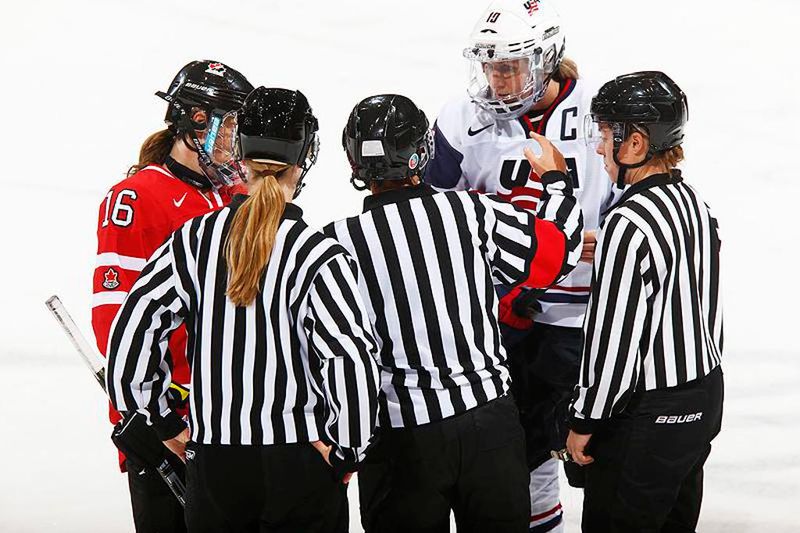
A USHL penalty does not end when the referee points to the box. Once an official files an Online Game Incident Report, the play enters USA Hockey’s national tracking system, where penalty information is collected, referee incident reports are forwarded to the proper disciplinary authority, and certain violations can move toward review. That is the part fans do not see, but coaches build around it every night.
From the whistle to the report
The process starts in plain view, with the call on the ice and the entry on the game sheet. The next step is administrative, and it matters just as much in junior hockey: USA Hockey’s Online Game Incident Reports tool is a national system used to collect player and team official penalty information. It also forwards referee incident reports to a team’s respective disciplinary authority, which means the game can leave the rink and enter the discipline pipeline quickly.
Here is the basic sequence that turns a hard hit or a fight into a possible roster decision:
- A penalty is called and recorded in the game book.
- An official files an incident report through USA Hockey’s reporting system.
- That report goes to the proper disciplinary authority for the team involved.
- If the event involves Rule 411 progressive suspensions or a Rule 615.f fighting violation, disciplinary bodies are notified.
- Review can lead to no further action, added discipline, or suspension.
That flow is why the box score is only the first layer of the story. A penalty minute can be routine; an incident report can change who dresses the next night.
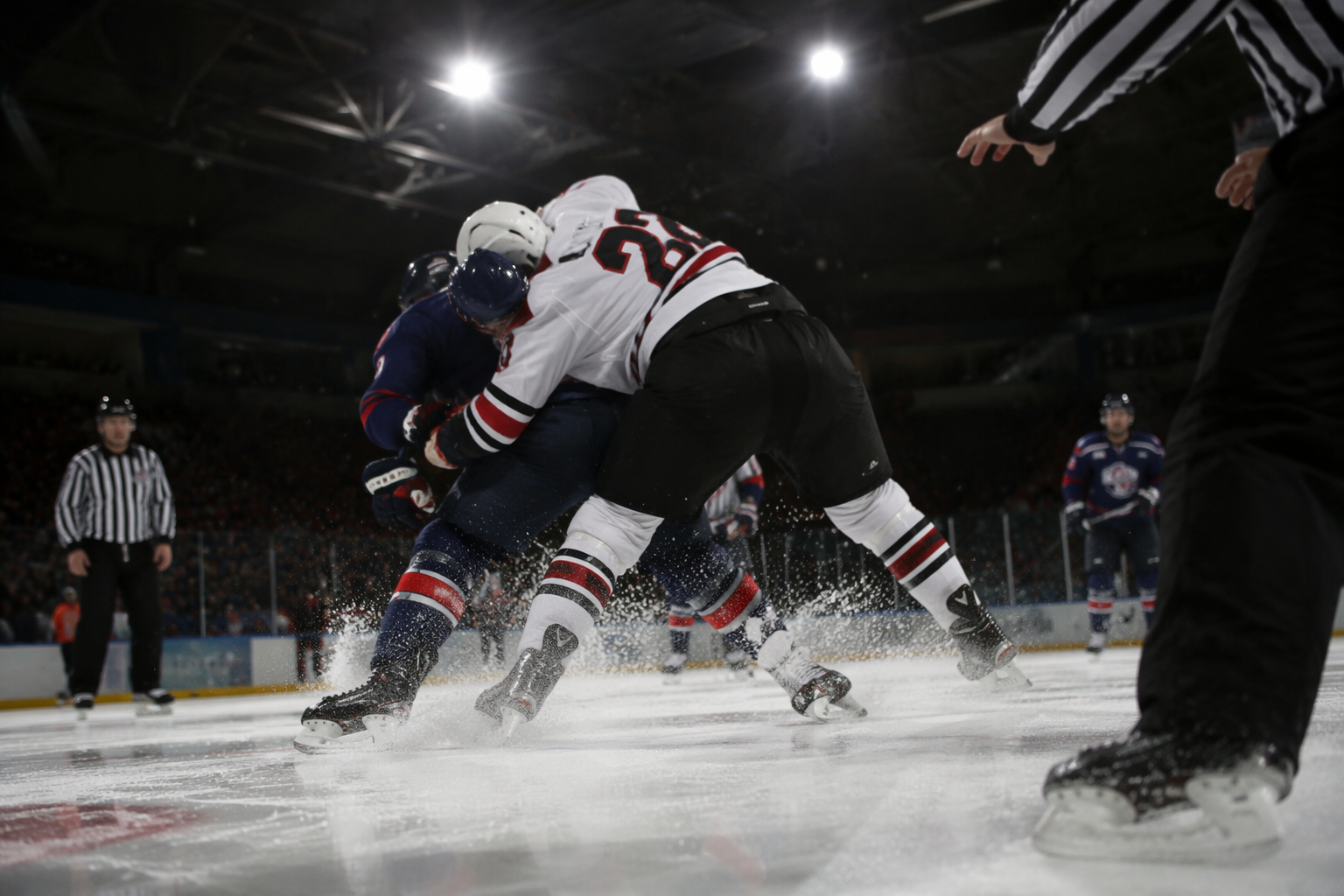
Why two similar hits can end differently
Fans often see two heavy checks that look almost identical and wonder why one player is back in the lineup while another sits. The answer is that the ice-level result is only one piece of the decision. USA Hockey said it has spent several seasons making appropriate consequences for rule-breakers, including more severe penalties for dangerous actions and progressive suspensions for repeat offenders.
That history matters in the USHL, where speed and physicality are constant and discipline has to track more than one isolated play. A single minor penalty may stay exactly that, while a dangerous action, a fight, or a repeated pattern can push the case into a review path. The same-looking hit can produce a different outcome if it sits inside a player’s broader discipline record or matches a violation category that the reporting system flags for the disciplinary chain.
Rule 411 is the clearest example of why the outcomes diverge. USA Hockey’s reporting system is designed to inform disciplinary bodies when Rule 411 progressive suspensions come into play, which means the governing body is not only counting the infraction, but also measuring the pattern. Rule 615.f fighting violations are handled through the same reporting structure, which is another reason a fight on the ice can lead to a much different next day than a standard penalty call.
What the current rulebook cycle means
The discipline system is working inside a rulebook that has its own calendar. USA Hockey’s updated playing rules went into effect on August 1, 2025, and those rules cover a four-season cycle through 2029. The next round of updates is set for August 2029, which gives coaches, players, and officials a stable framework for several seasons at a time.
The rule changes for the 2025-29 cycle were voted on by the USA Hockey Congress at the 2025 Winter Meeting on January 19, 2025. In a March 21, 2025 explainer, USA Hockey said it updates its playing rules every four years. That regular cycle matters because it reduces guesswork: everyone in the USHL is operating inside the same current standards when a hit, a scrum, or a fight is reviewed.
USA Hockey’s 2017 rule-change explainer said the adopted changes for the 2017-18 through 2020-21 seasons were intended to clarify and simplify the game. That long-running approach shows up again in the modern reporting system. The league does not need every borderline play to become a public dispute when the rules already define how the incident moves from the scoresheet to the authority that handles discipline.
How discipline changes a USHL lineup
In junior hockey, the consequences go beyond punishment. A suspension can change a weekend series, force a coach to reshuffle line combinations, and open the door for a call-up or a deeper bench role. The immediate effect is simple: a player who expected to dress may be unavailable for the next game, and that can alter special teams, matchups, and the way a team handles the opening shift.
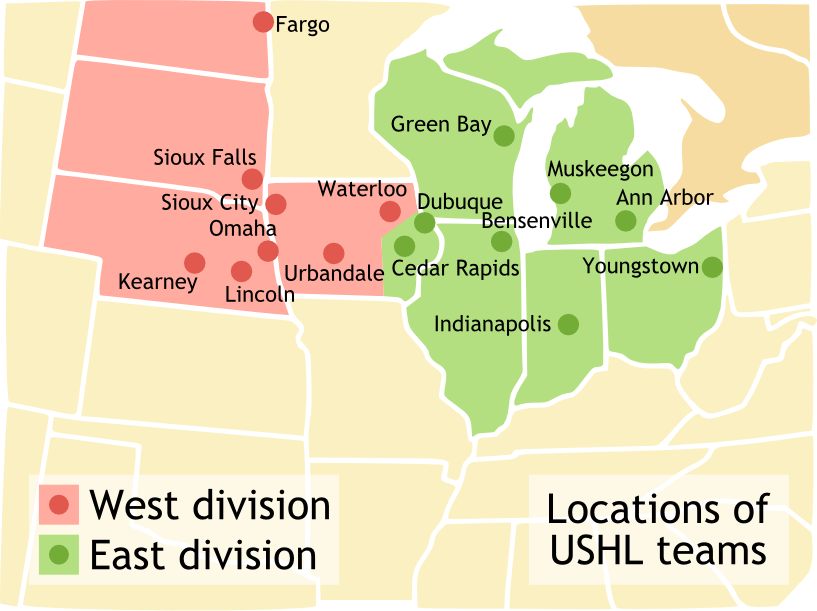
That is why officials, coaches, and players treat the reporting stage seriously. A minor penalty affects a shift; an incident report can affect a roster card. When the reporting system flags a Rule 411 progression or a Rule 615.f fight, the result can stretch past one night and into the next slate of games, which is where USHL teams feel the impact most sharply.
For a league built on development, that ripple reaches the next level too. Players are being evaluated not only on skill and pace, but also on discipline, reliability, and how they handle physical moments. A suspension can interrupt visibility for college and NHL evaluators just as quickly as it disrupts a coach’s lineup card, which is why the system is about more than discipline for discipline’s sake.
The practical lesson for fans
The simplest way to read a USHL penalty is to separate the call from the aftermath. The call appears immediately, the incident report can follow, and the disciplinary authority then decides whether the matter ends on the scoresheet or carries into a suspension. That is why a pair of similar-looking hits can produce different results: one may be a standard penalty, while the other sits inside a reporting category tied to progressive discipline, fighting, or repeat dangerous behavior.
USA Hockey built the process to keep the game fast without letting the most physical moments drift away from accountability. In the USHL, that means every major collision, scrum, or fight can shape the next lineup as much as it shapes the current box score.
Sources
- [1]usahockey.com
- [2]portal.usahockey.com
- [3]ushl.com