USA Racquetball clarifies hinder rules in latest rulebook update
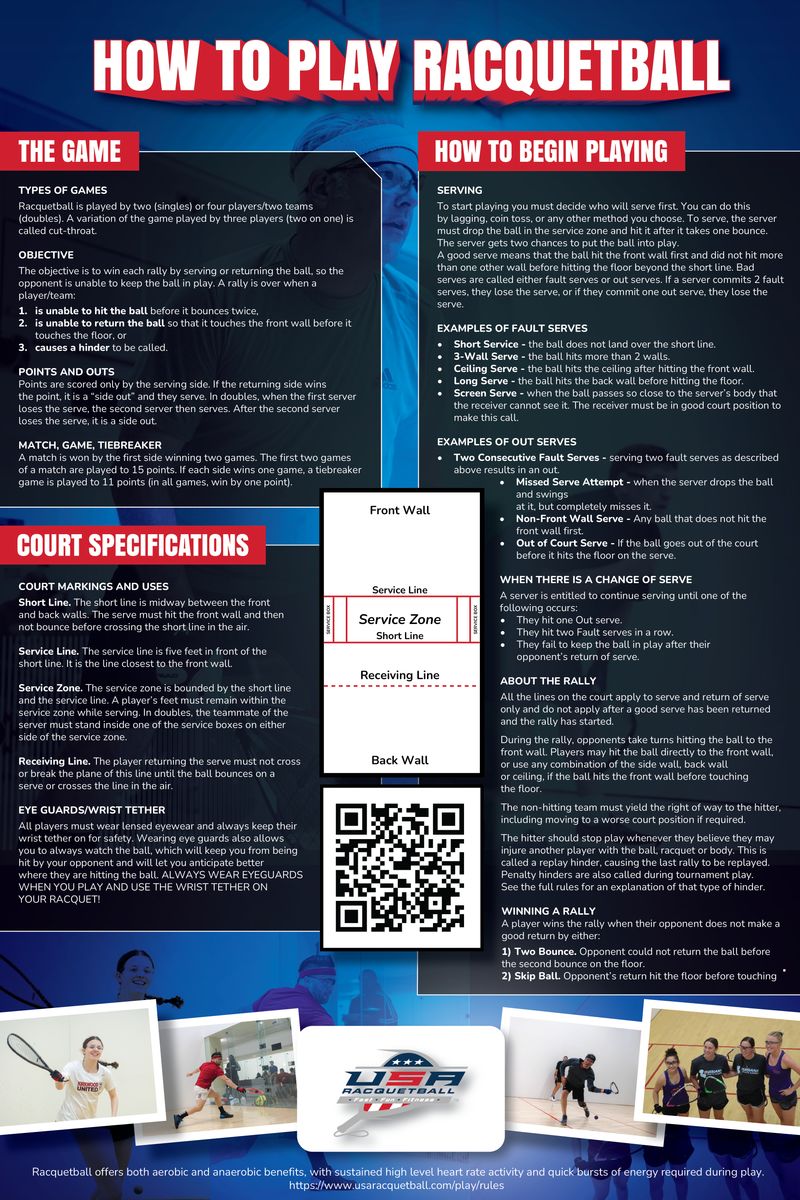
Racquetball turns split-second traffic into rulebook theater. USA Racquetball’s 2023 update added seven rule changes, including a clarification that put jumping into the hinder section, and the rest of the package tightened the clock with one-minute timeouts and a two-minute break between games two and three. The point is simple: in a sport played at full speed inside four walls, the call on interference can decide the rally before the ball even dies.
What a hinder actually means
A hinder is not every awkward bounce or ugly collision. It is the moment when a player is blocked from making a reasonable attempt at the ball because another player, or some element of the play, got in the way. In a game built on wall rebounds and sudden changes of direction, that difference matters every time two athletes end up fighting for the same space.
That is why the official is looking at the path, not just the result. Did the blocking player have time to clear? Did the striker have a fair shot line? Was the obstruction enough to turn a live rally into something that should be replayed or awarded? Those are the judgments that keep a point from becoming a courtroom drama over every obstructed swing.
Consistency is the real standard here, not perfection. Racquetball will always produce borderline plays where a scramble looks clean to one player and illegal to the other, but the rules are designed to make the same situation land the same way when it appears again. In a court that small, that is as close to order as the sport gets.
How the 2023 rulebook changed the rhythm
USA Racquetball says the most recent rulebook includes seven changes approved by the USA Racquetball Board of Directors in July 2023. The most visible pace changes were straightforward: timeouts were increased to one minute, players were limited to two timeouts per game, and the break between games two and three was cut to two minutes. Those are not cosmetic tweaks. They change how a match breathes.
The hinder update matters for language as much as enforcement. By adding jumping to the hinder section, the rulebook gave officials clearer footing for the airborne chaos that shows up when players are attacking a ball that keeps ricocheting off walls. In a sport where a fraction of a second can change whether a shot is playable, a wording clarification can decide whether the rally is replayed or the point is over.
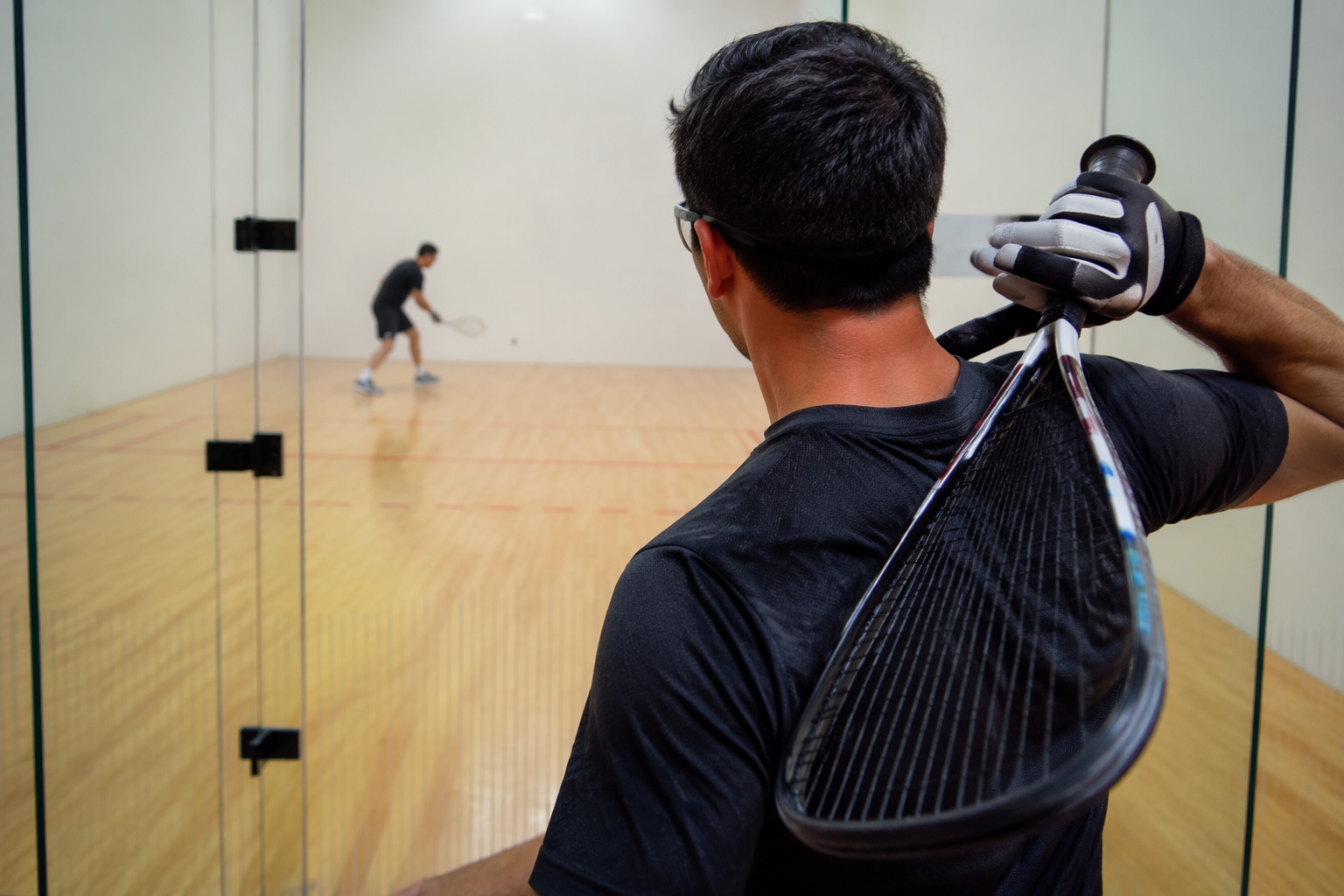
The combined effect is a tighter, cleaner framework. Players get less room to slow matches down with extra resets, and officials get a clearer basis for deciding when movement in the court crossed into interference. That is the tradeoff the 2023 changes made, and it is easy to feel in the way late-game pressure now plays out.
Why referees matter even in a self-officiated sport
Racquetball still leans heavily on players knowing the code of conduct and making the obvious calls themselves. That culture is part of the sport’s identity, but it also means the gray areas can get loud fast when both athletes think they had the better line to the ball. Refereed matches add a second layer of consistency when the situation becomes too messy for the players to settle cleanly on their own.
USA Racquetball’s referee certification page starts from a simple place: download and review the Official Rules of Racquetball. It also requires an email and password for each online test so progress can be saved if the internet drops, which is a small but telling detail about how the organization wants officials to learn the rulebook, one section at a time.
That matters because the sport’s biggest disputes are usually not about whether scoring works. They are about whether a player was impeded, whether a path was clear, and whether the contact or obstruction was avoidable. Referees are there to turn that judgment into a call before the rally spins out of control.
USA Racquetball keeps reopening the hard calls
The organization has built a habit of revisiting difficult rulings through its “What is the Call” feature. A page published on August 15, 2022 pulled from Q&As originally written by former National Rules Commissioner Otto Dietrich, while another on January 17, 2022 revisited questions and answers from the July 2015 issue of Racquetball magazine. That is not filler content. It is a sign that the same edge cases keep resurfacing because the game keeps creating them.
That pattern was still visible in 2026, when National Rules Commissioner Joshua Jones wrote three rules explainers: “The Problem With a Z-Serve” on February 20, “Two Championships, Lots of Rule Questions” on March 24, and “To Call or Not Call a Hinder, That is the Question” on April 20. The titles alone point to where the pressure sits: serve legality, championship-level judgment, and the hinder call itself.
The recurring theme is not confusion for its own sake. It is that racquetball is fast enough that rules have to keep catching up to real-game movement, especially when the action gets compressed around serving, movement, and court positioning. Every new explainer is another reminder that the cleanest matches are the ones where the call comes before the argument does.
The rulebook covers more than one version of the sport
USA Racquetball’s current rulebook applies to both sanctioned and non-sanctioned play in the United States, which makes it a practical standard instead of a tournament-only handbook. It also separates standard play from modified rules for wheelchair racquetball, outdoor racquetball, and visually impaired racquetball. That structure tells you how central officiating is across the sport’s different formats.
The core idea stays the same even when the format changes: protect the player’s ability to make a reasonable attempt at the ball, and keep the court fair enough for both sides to play aggressively. The 2023 update did not remove judgment from the game, and it was never going to. What it did was narrow the space where judgment has to operate, which is exactly what a good rules revision should do.
Racquetball will always feature arguments over the line between a legal scramble and a hinder. The latest rulebook makes that line easier to see, and in a sport this fast, that is the difference between chaos and a clean call.