USA Racquetball expands college program, boosts nationwide racquetball growth
College racquetball now functions as more than a campus pastime. USA Racquetball has built a structure that helps schools start teams, keep them active, and move players from intramural courts to intercollegiate titles, scholarships, and, for a select few, the U.S. National Racquetball Team.
A campus program built for growth
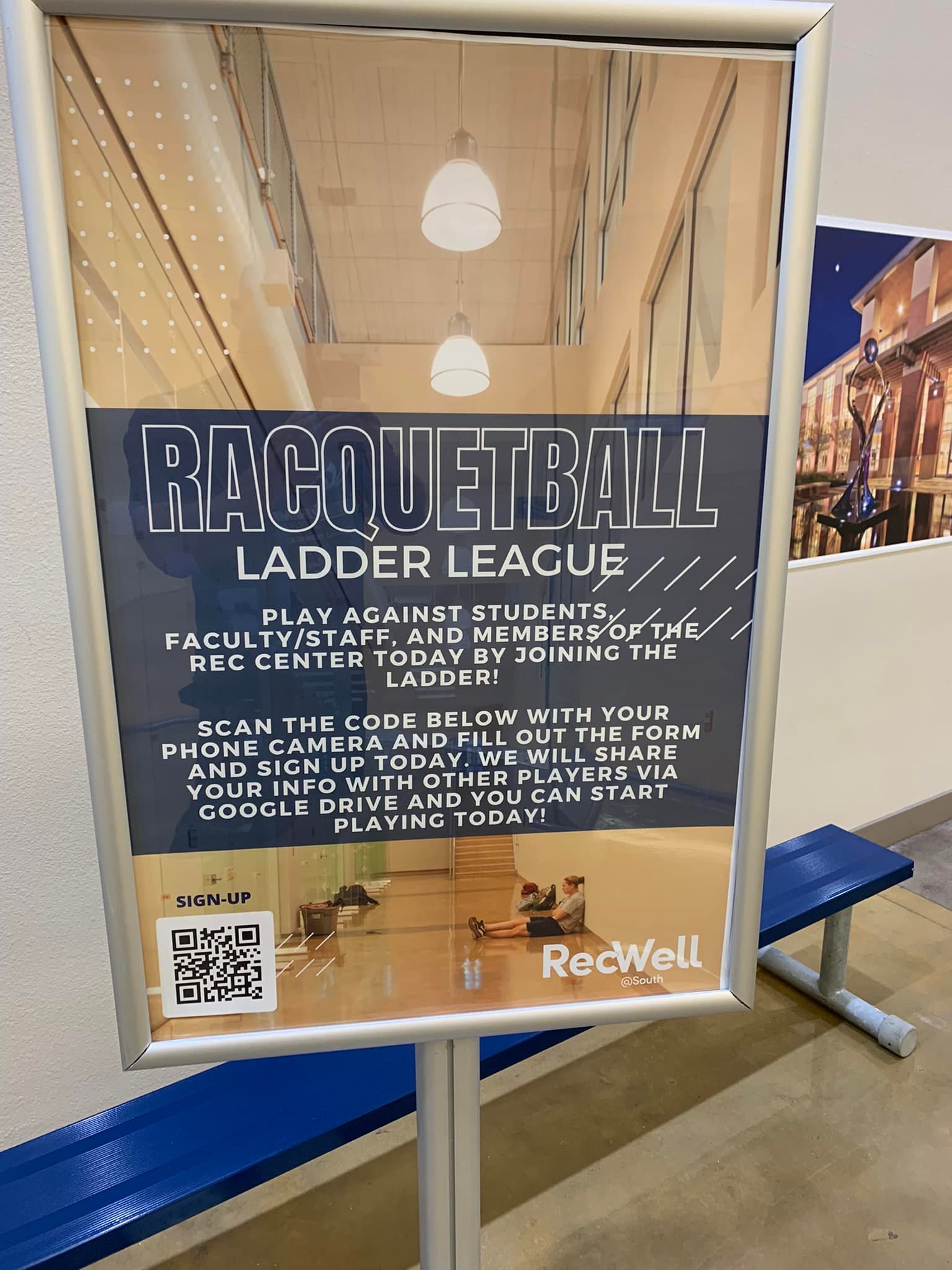
The college program is designed to support intercollegiate and intramural racquetball in schools across the country, and it does that with tools that lower the barrier to entry. Any school that registers as an Official Collegiate Program can receive a free challenge ladder, and the program also provides marketing items to help promote a class, club, or team. That matters because the sport’s future does not depend only on powerhouses with established rosters; it also depends on small programs that need simple, repeatable ways to recruit new players.
USA Racquetball’s broader Facility Partnership program extends that same logic into the grassroots level. It includes challenge ladders, leagues and jamborees, Racquetball 101 classes, instructor certification programs, and management of junior, high school, and collegiate programs. Together, those offerings make the college side of the sport look less like a standalone bracket and more like the middle of a development system.
The ladder from first match to national team
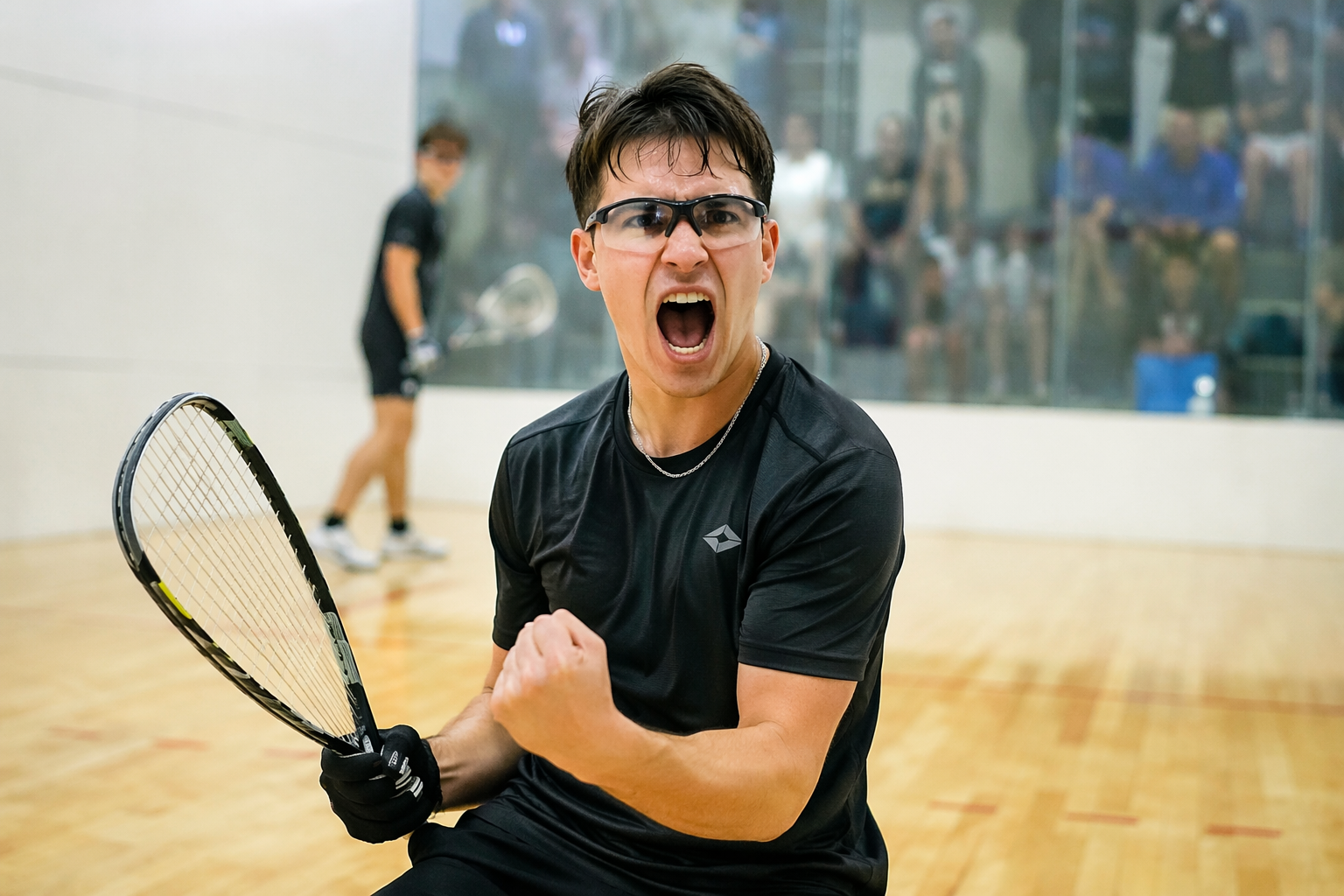
The competitive pathway gives the college circuit its real value. Undergraduate competitors can play state, regional, and national competitions, creating a progression that rewards participation before it rewards mastery. At the top of that ladder, eligible gold-division singles winners at the annual National Intercollegiate Championships can earn a spot on the U.S. National Racquetball Team.
That structure gives college programs a clear recruiting pitch. A player does not have to see college racquetball as a one-off social club or a short season of recreational matches. The pathway connects school-based competition to a national stage, and the scholarship program adds another incentive for players who are still choosing where to compete. Graduating high school seniors and currently enrolled college and vocational students can apply for annual scholarships, and recipients are recognized at the National High School and or National Intercollegiate Championships.
Why the numbers matter
The college footprint is sizable by club-sport standards. USA Racquetball says the college program has grown to include more than 50 colleges and universities that field a team at the National Championships or offer a USA Racquetball-sanctioned program. That scale gives the sport a broader recruiting base than a single championship weekend might suggest.
The 2026 Intercollegiate Championships showed how active that base remains. The event was held March 26-28, 2026 at the University of Minnesota in Minneapolis, and USA Racquetball’s recap said it drew 90 athletes from 13 schools. Those numbers show a working circuit: enough schools to create meaningful competition, enough athletes to produce depth, and enough consistency to keep the national event relevant from year to year.
The previous championship cycle also points to that continuity. The 2025 USA Racquetball Intercollegiate Championships were scheduled for March 27-29, 2025 at the North Carolina State Recreation Center in Raleigh, North Carolina. The move from Raleigh to Minneapolis in consecutive years reflects how the national event travels while the underlying college network stays intact.
A long record of repeat winners
The record books show that college racquetball has been producing champions for decades. USA Racquetball’s intercollegiate men’s team titles date back to 1973, and the men’s #1 singles champions also go back to 1973. That is not the profile of a passing campus activity. It is the record of a sport that has maintained enough structure for titles to be tracked across generations.
Those records also show why certain programs carry outsized weight in the sport’s history. Memphis State University appears repeatedly in the early intercollegiate team and singles records, signaling one of the sport’s foundational college programs. Colorado State University - Pueblo appears repeatedly in modern intercollegiate titles, showing that the pipeline still produces durable powerhouses in the current era.
There is one interruption in the archive that also matters. The record books note that the 2020 intercollegiate championships were cancelled because of COVID-19. That gap makes the return of the event even more important, because college racquetball depends on annual competition to keep players engaged, evaluated, and connected to the national ladder.
What schools need to build and keep programs
The development model is practical, not abstract. Schools that want to sustain racquetball programs need the pieces USA Racquetball has already packaged: a challenge ladder to create matches, marketing items to promote participation, and instruction that can carry beginners into regular play. The Facility Partnership program fills in other gaps with leagues, jamborees, Racquetball 101 classes, instructor certification, and management support across junior, high school, and collegiate levels.
That mix matters because college racquetball is strongest when it is treated as a feeder system rather than a one-time championship. A school can start with a class, a club, or a team, and then use sanctioned competition to keep players involved long enough to develop skills and identity. The result is a pathway that can absorb freshmen, reward returning players, and produce college champions without requiring a major athletic department to bankroll the entire effort.
The clearest case for preserving these programs is the way they connect the campus to the sport’s highest levels. With more than 50 colleges and universities already in the system, annual championships in place, scholarships available, and a route to the U.S. National Racquetball Team for gold-division winners, college racquetball remains the sport’s most reliable talent factory.