USA Racquetball launches high performance commission for elite pathway
USA Racquetball’s new High Performance Commission is built to solve problems the sport has talked about for years: uneven junior development, inconsistent seeding, and a gap between domestic success and international results. The federation says the commission was approved by its board earlier in 2026 and is being shaped to meet USOPC expectations for a modern national governing body, not as a symbolic add-on.
At the center of the overhaul is Pablo Fajre, who was named High Performance Director in April 2026 after already serving as U.S. Team coach. Fajre also coached the U.S. adult team at the 2026 Pan American Racquetball Championships in Guatemala City, giving him direct influence over both the elite and developmental ends of the pipeline. USA Racquetball says he is leading work on a Standardized Training System designed to create a more consistent junior-to-adult pathway and to standardize coaching methods across the country.
The commission is being organized around three active strands. One focuses on training consistency, another on rules and regulations, and the third on qualification criteria. In the rules area, a Ranking & Seeding Group led by National Events Director Jonathan Greenberg has already produced a seeding document for the National High School Championships, National Intercollegiate Championships and National Junior Championships. USA Racquetball’s rankings system also says its committee evaluates players near division thresholds and issues guidelines for national events, including the U.S. Open Racquetball Championships, a sign that the federation knows seeding decisions can shape development as much as tournament brackets do.
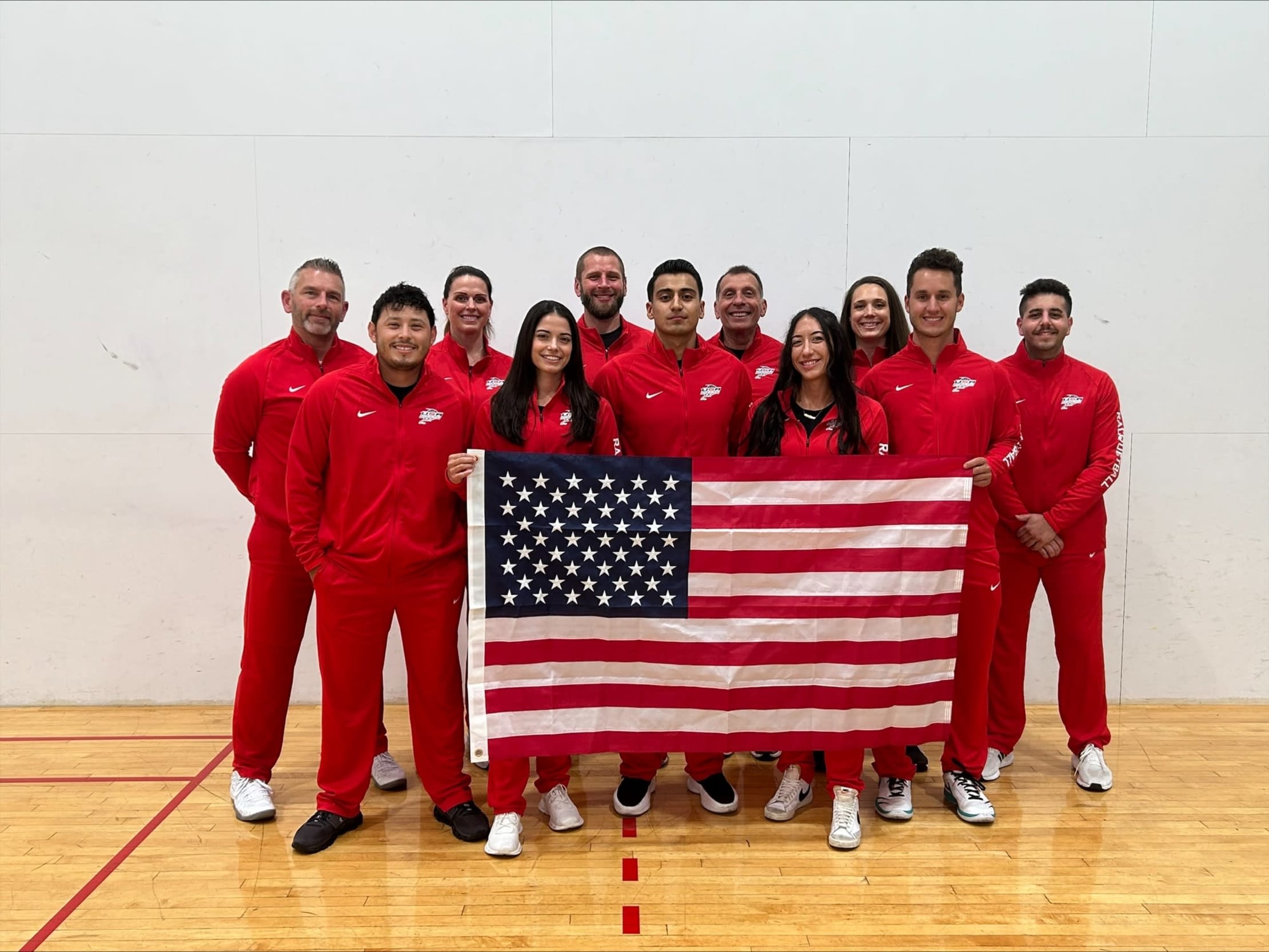
The junior piece may be the clearest early test. Jen Meyer, who has been an assistant U.S. Junior Team coach for 23 years, has been named Coach Director for the delegation that will head toward the IRF World Junior Championships later in 2026. USA Racquetball said the modified coaching approach will begin as soon as the U.S. Junior Team is formed in late June, giving the commission only a short runway before its first real evaluation.
That evaluation should start quickly. The 2026 Junior National Championships opened June 24 in Des Moines, Iowa, while the National Indoor Championships earlier this year drew 212 athletes, up 17 percent from 2025, at Arizona State University’s Sun Devil Fitness Complex in Tempe, Arizona. If the commission is working, readers should expect more than cleaner paperwork: they should expect tighter junior-to-senior progression, clearer qualification standards, and stronger results when the U.S. team returns to the IRF World Championships in October.