USA Racquetball makes protective eyewear mandatory in sanctioned events
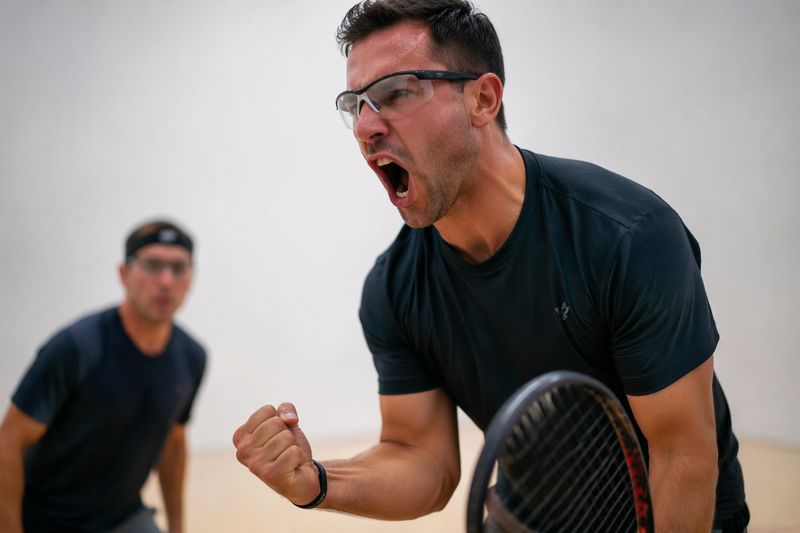
USA Racquetball has turned protective eyewear into a hard requirement, not a suggestion, in sanctioned competition. Every player must wear lensed eyewear designed specifically for racquet sports, and the equipment must meet or exceed ASTM F803, stay unaltered, and be worn correctly any time the ball is in play or about to be put into play.
That rule draws a bright line between casual court time and sanctioned racquetball. Streetwear spectacles and un-lensed eyewear do not count, and the burden sits with the player to know the standard and show compliance if a referee or tournament director asks. USA Racquetball does not test or certify the gear itself, which makes equipment literacy part of match preparation, right alongside grip tape and shot selection.
The penalty structure shows how seriously the sport treats the issue. A player without proper eyewear receives a technical foul, loses a point, and gets a timeout to put on legal protection. A second violation in the same match means immediate forfeiture. That is not a warning label; it is enforcement written into the competitive fabric of the sport.
The science behind that stance is old, and it is blunt. A 1982 study in the American Journal of Sports Medicine identified 157 racquetball injuries, 82 of them involving the face, and found that only 9.9% of players wore protective facial equipment. A 1983 JAMA study went further, testing 11 commercially available eye guards and eight spectacles against direct racquetball impacts: all spectacles failed, while only four eye guards met the study’s effectiveness criteria.
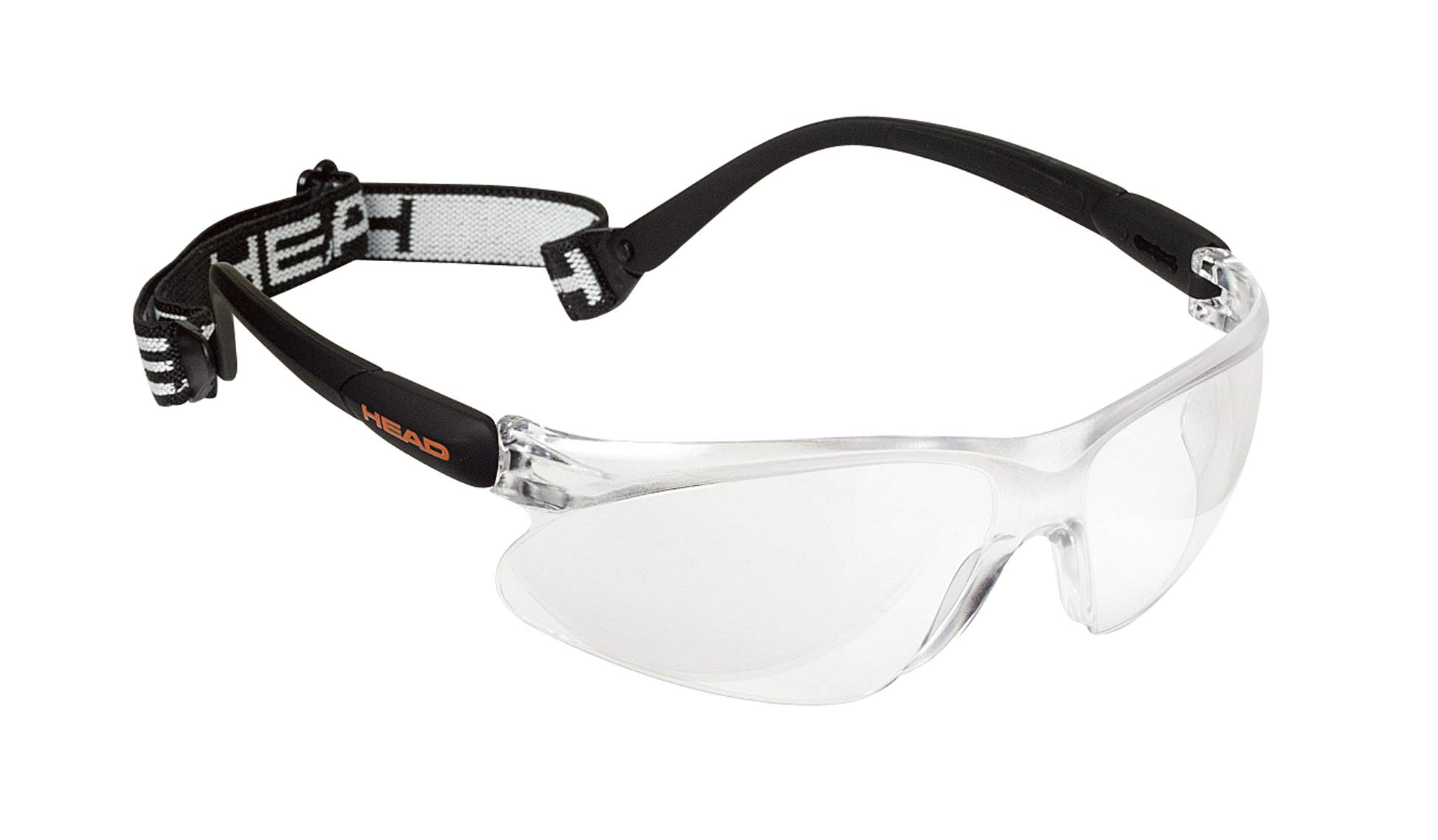
The same pattern shows up in later injury reports. A review of Canadian cases from summer 1978 through May 1981 found 91 racquetball eye injuries. Two of those injuries occurred even when players were using protectors with plastic in front, a reminder that eyewear has to be built for the sport’s speed and rebound angles, not improvised from everyday glasses.
ASTM International has kept pace with that reality. Alongside the older F803 standard, it published F3164, a newer specification for racket-sport eye protectors covering racquetball, squash, and tennis, including both prescription and non-prescription devices. That matters because racquetball is a closed-court game where a ball can change direction off a wall in a split second, and the protection has to be engineered for that kind of impact.
The contrast with pickleball is telling. A 2023 paper on eye injuries in that sport noted that pickleball did not mandate protective eyewear at the time, while racquetball and squash already did. USA Racquetball’s online rulebook also flags a major eye-protection change in the 2020 rules book, keeping the policy anchored where the sport has long decided it belongs: in the rulebook, not on the side of the court.
Sources
- [1]usaracquetball.com
- [2]astm.org
- [3]pubmed.ncbi.nlm.nih.gov
- [4]jamanetwork.com
- [5]nature.com