USA Ultimate expands youth pipeline with two-tier club divisions
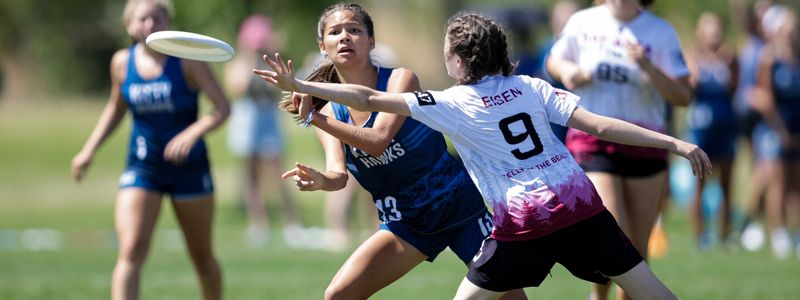
USA Ultimate’s youth system is built to keep players moving, not to freeze them inside one age band. The sport’s pipeline runs from school teams to club teams to college and adult play, and the newest club rules make that pathway sturdier by adding a second championship tier when demand spikes beyond what one bracket can hold.
A pipeline designed to hold players in the game
The youth division began in 1988 and has grown into a national base of more than 15,000 student-athletes across more than 400 club and school-based teams. That scale matters because it shows how ultimate has turned first-time players into a repeat system: school seasons feed club play, summer play complements the school calendar, and the sport’s structure keeps athletes in front of organized competition long enough to develop into contributors at the next level.
USA Ultimate began sponsoring high school state championships in 2003 and created State Youth Coordinator positions that same year, two moves that helped define the high school phase as a formal stage instead of an informal stopover. In 2005, the organization added the Youth Club Championships for teams built from multiple schools in one area, giving players a bridge between school rosters and regional club identity. That summer club structure was also meant to fit the reality of the calendar, extending the high school phase to include players who graduated only in the previous few months.
Why the two-tier change matters
The 2026 youth club guidelines sharpen that pipeline logic. In any age-gender division with 24 or more interested teams, USA Ultimate can now create two championship tiers, Division I and Division II, instead of turning teams away when a single bracket cannot accommodate them. That decision is more than administrative housekeeping. It keeps more players in the competitive ecosystem, gives developing programs a place to land, and reduces the all-or-nothing pressure that can shut out rising regions.
The tiering system is also tied to performance and development. Promotion and relegation points are weighted by both previous YCC finishes and local development activity, which means the championship structure rewards results while still acknowledging the work of growing the sport in a community. For a youth system that depends on retention as much as talent, that balance is the point: the best programs stay challenged, while newer ones still have a pathway in.
The rules that keep youth ultimate coherent
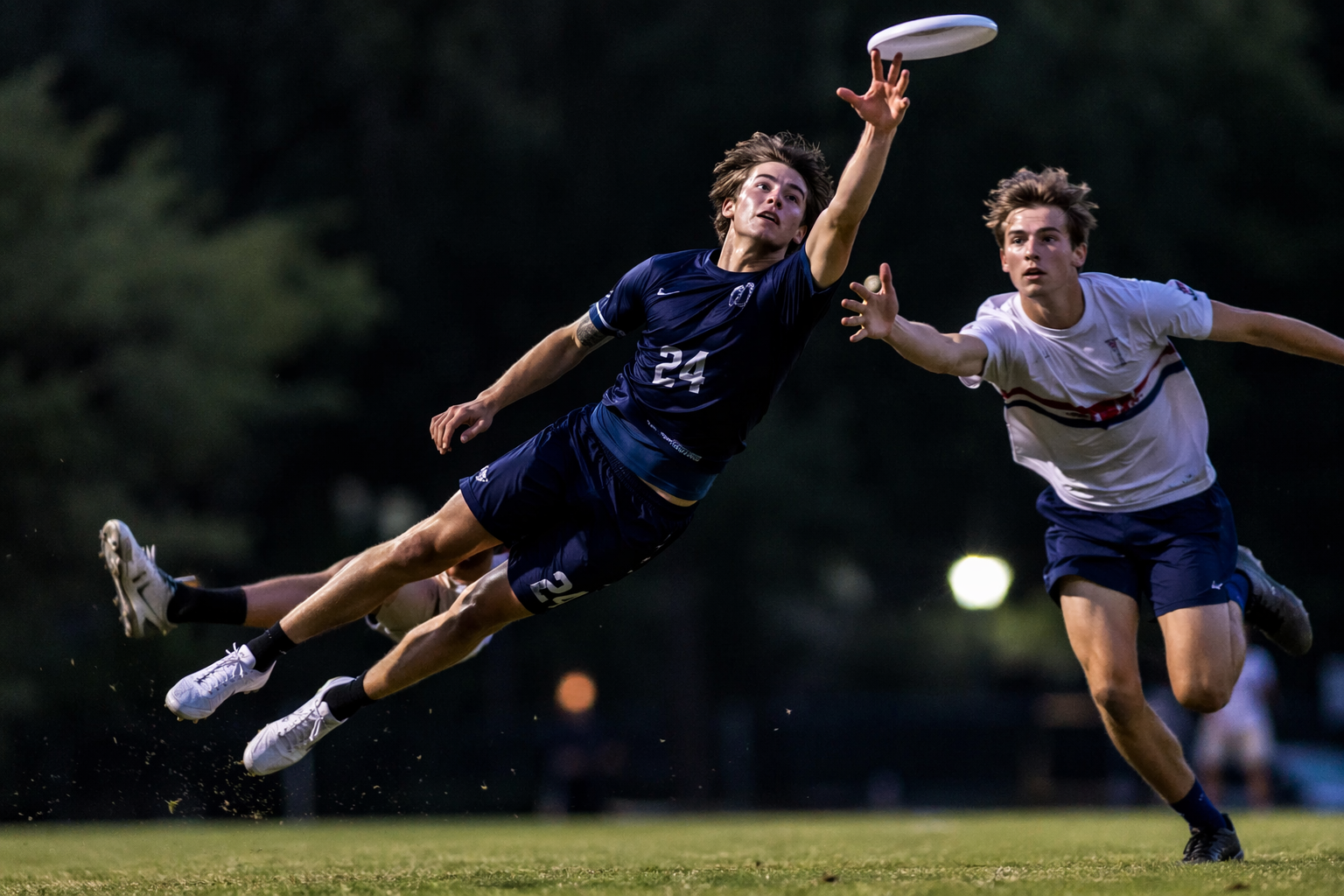
Youth ultimate’s growth is guided by strict roster and residency standards. Teams need at least 14 players in attendance, and mixed teams must bring at least 6 man-matching and 6 woman-matching players. Players also must live in the same USA Ultimate youth region, defined by where they live for the majority of August and the prior three months, and a team can include no more than four out-of-region players.
Those limits do two things at once. They protect competitive fairness, and they keep the regional identity of youth ultimate intact, so a team is not simply a collection of ringers imported for one weekend. The result is a structure that emphasizes local development and repeated participation, the kind of environment where a beginner can become a dependable school player, then a club player, and eventually a college or adult contributor.
Safety and coaching are part of the product
The sport’s youth framework is not only about access. USA Ultimate also requires at least two qualified chaperones and at least one rostered coach with Youth Coach Certification, and no coach or chaperone may be rostered on multiple youth teams at the same youth event. That matters because the sport is asking families to trust a national system with minors, and the organization has answered with standards that are concrete rather than vague.
Those rules help explain why youth ultimate has become durable. It is not built around one standout generation or a single hot summer of participation. It is built around staffing, supervision, regional placement and age-appropriate competition that make the experience feel organized enough for parents, schools and clubs to keep buying in year after year.
From Blaine to the broader club landscape

The Youth Club Championships tell the growth story in numbers. The event launched in 2005 with 17 teams across 3 divisions, expanded to 72 teams across 5 divisions by 2015, and more recent USA Ultimate materials say it now draws more than 80 teams across 5 divisions. The event has been held at the National Sports Center in Blaine, Minnesota, every year since it began, giving the competition a fixed home even as the field has widened.
The event’s place in the wider club calendar also changed in 2017, when the Youth Club Championships were combined with the U.S. Open and rebranded as the U.S. Open Club Championships. That move linked youth development to the sport’s biggest stages instead of leaving it siloed, reinforcing the idea that a player who starts in school or middle school is entering a connected national system, not a side program.
New money for new players
The pipeline has also been widened with direct investment. In 2024, USA Ultimate launched the Youth Growth Grant program to provide financial assistance to local disc organizations, with the stated goals of increasing participation, reducing barriers to entry and supporting inclusivity. By November 2024, the program had awarded $30,000 to six local disc organizations from a pool of 30 applicants, and by November 2025 the total had climbed to $60,000 with six additional recipients.
That investment pairs with DISCover Ultimate Day, which debuted in 2025 and brought 22 communities in 15 states into its inaugural rollout to introduce middle school kids to the sport. USA Ultimate also lists Ultimate Starter Kits as part of its youth offerings for new youth and women’s programs, another sign that the growth plan is not just about championship weekends. It is about building more entry points, more coaches and more local infrastructure so the next wave has somewhere to start.
USA Ultimate, founded in 1979 as the Ultimate Players Association and now the official national governing body for ultimate in the United States and a member of the U.S. Olympic & Paralympic Committee, has turned youth development into a system with clear rules, real funding and room to grow. The two-tier club format is the latest proof that the sport’s future is being built by retaining more players, not by betting on fewer stars.