USA Ultimate modernizes tournament formats to protect player health
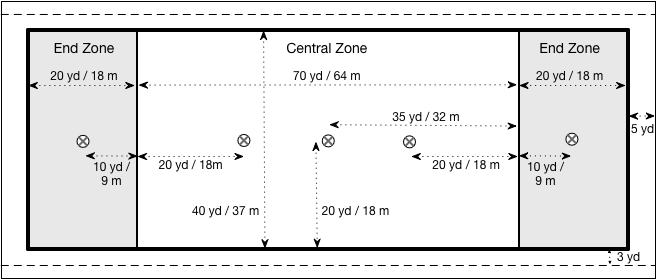
USA Ultimate’s tournament architecture is no longer built around packing as many games as possible into a weekend. The sport’s formats have been pushed toward player health and cleaner event management, with older structures that required five games in a day or eight games in a weekend replaced by alternatives that better fit modern loads. That shift matters because the bracket is not just a scheduling grid, it is a competitive safety plan: it decides how much a roster can recover, how long a sideline must manage urgency, and how much fairness survives into the late rounds.
How the format now works
The starting point for sectionals and regionals is the Formats Guide, with the Formats Manual still in use as a companion and, in some places, a partial replacement. USA Ultimate’s 2026 club guidelines say coordinators determine sectionals and regionals formats using those documents, with updates from the Formats Working Group aligned with the Medical Working Group. That is a clear signal that format design is not treated as an afterthought. The sport has made player health part of the same decision tree that handles fields, brackets and competitive balance.
That philosophy is echoed in the Tournament Director’s Manual, which exists to help organizers create an efficient and enjoyable tournament experience. USA Ultimate then takes the next step by offering a Tournament Director Certification Program, where participants download and read the manual and pass an open-book exam. The message is simple: tournament design is specialized work. It takes more than volunteer good intentions to build a weekend that is fair, functional and physically manageable.
What one tournament day looks like
For a team moving through regional play, the day usually begins in pool play, where games are commonly played to 13. Those early games are where seeding pressure meets conservation, because a team still has to win while keeping something in reserve for the next round. The rules sheet also gives each side two timeouts per half, so the first real strategic choice is often not whether to use a timeout, but when to spend one without losing control of the game’s tempo.
The clock structure shapes everything that follows. In pool and crossover games, halftime is capped at 38 minutes, the soft cap arrives at 75 minutes, and the hard cap comes at 90 minutes. In championship rounds, the format stretches to 15 points, with two timeouts per half again, a 45-minute halftime cap, a 90-minute soft cap and a 105-minute hard cap. Crossovers matter because they turn the middle of the event into a survival test: the teams that did enough in pool play get a second path forward, and the ones that did not have to play with their tournament life on the line.
That difference between pool play, crossovers and bracket play is what makes the day legible. Pool play rewards steady point management. Crossovers decide who earns the right to keep chasing a title. Bracket games are where one break, one misread, or one tired offensive line can end a weekend that has already asked a roster to keep making the same explosive cuts under increasing fatigue.
Why caps change strategy on the sideline
The most important numbers in the format are not decorative. A 75-minute soft cap in pool and crossover rounds changes how a coach or captain thinks about late possession management, while the 90-minute hard cap forces teams to understand when a point may be the last one that matters. In championship rounds, the longer 105-minute hard cap gives the game more runway, but it still demands discipline, because teams are not playing a pure game-to-finish format. They are playing under a clock that can reshape decisions about stall count, deep shots and defensive matchups.
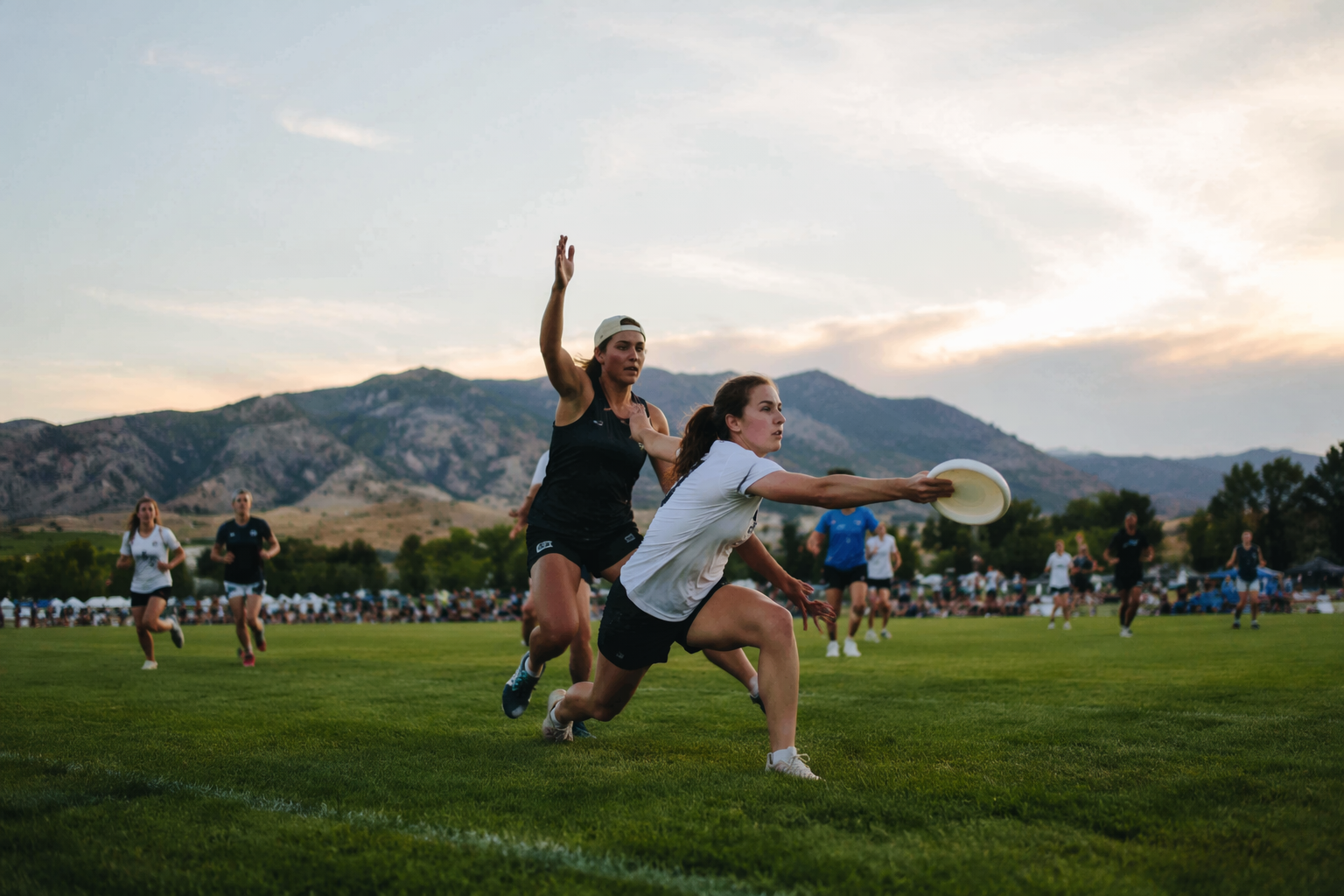
USA Ultimate’s rules make that flexibility explicit. Event organizers may modify logistics such as game length, time limits, halftime length, number of timeouts, starting time point assessments, uniform requirements and observer operations, as long as those changes are established before competition starts. That authority is part of how the sport keeps formats flexible enough for different field layouts and event sizes without drifting into chaos. It also explains why a sideline has to stay alert to the event sheet, not just the score.
Even small procedures can swing close games. If a spirit timeout lasts five minutes or less, the time taken is automatically added when determining caps. That rule keeps teams from gaming the clock through a short pause and preserves the meaning of the cap itself. When a hard cap is reached in Pro Championships rules, play finishes the current point before deciding whether one more point is needed, which is exactly the sort of detail that can decide whether a team walks off with a win, a tie or one final chance.
What the people running the event need to know
The modern format system only works if tournament directors understand how all the pieces fit together. The manual and certification program turn event management into a repeatable skill set, not a last-minute scramble. That matters because a director is not just assigning fields or printing a schedule. The director is deciding how a team experiences recovery, how a game ends, and whether the event stays coherent when weather, delays or tight field windows start to squeeze the plan.
The practical result is that the rules are built to serve both fairness and flow. Two timeouts per half gives teams a tactical safety valve without letting them freeze the game. Halftime caps keep breaks from expanding into damage to later rounds. Soft caps and hard caps let an event preserve some of the contest while still keeping the weekend on schedule. The structure is designed to keep the playing field level even when fatigue starts to rise.
Why the biggest events need this system most
USA Ultimate’s championship-event scale shows why the format question is bigger than a single bracket. The US Open Club Championships, with an international club division, and the Youth Club Championships are described as a four-day event drawing more than 130 teams and 3,000 participating athletes and coaches, along with families and spectators. That is not a simple tournament footprint. It is a community event that has to function across multiple fields, multiple divisions and multiple days of physical stress.
That scale explains the logic behind the move away from overloaded schedules. A format that asks for too many games in too little time may look efficient on paper, but it can erode quality by the late rounds and punish teams that survive earlier games with the wrong kind of exhaustion. USA Ultimate’s newer approach accepts a basic truth of modern ultimate: the best competition is not the one that crams in the most points, but the one that lets teams reach the deciding rounds with enough energy left to play them well.