USHL billet families provide the home base for young players
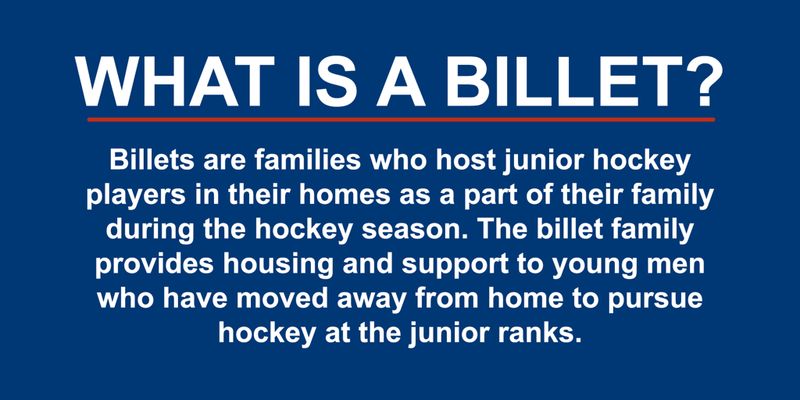
In the USHL, billet families drive players to the rink, pack meals and keep curfews from turning into a problem. They let teenagers and young adults move away from home and still maintain the daily structure serious hockey demands.
USA Hockey’s junior program is built for players ages 16-20, and the USHL is the only Tier I junior hockey league in the United States. Billeting is the home base for players who are often living away from their parents for the first time, in a league where the next practice, school day and road trip all come fast.
The home base behind the roster
Junior hockey looks glamorous from the outside because the product is fast, physical and full of pro prospects. The reality is a lot less cinematic. In a system spread across the country, with more than 120 teams in five junior leagues under USA Hockey, players need a stable place to sleep, eat and reset after a night game or a morning skate.
USA Hockey's junior structure includes the USHL, NAHL and NA3HL. At the top, the USHL brings the best competition, but it also means a bigger adjustment for a 16-, 17- or 18-year-old who has just relocated to a new city and has to handle school, hockey and daily life at the same time.
What billet families actually provide
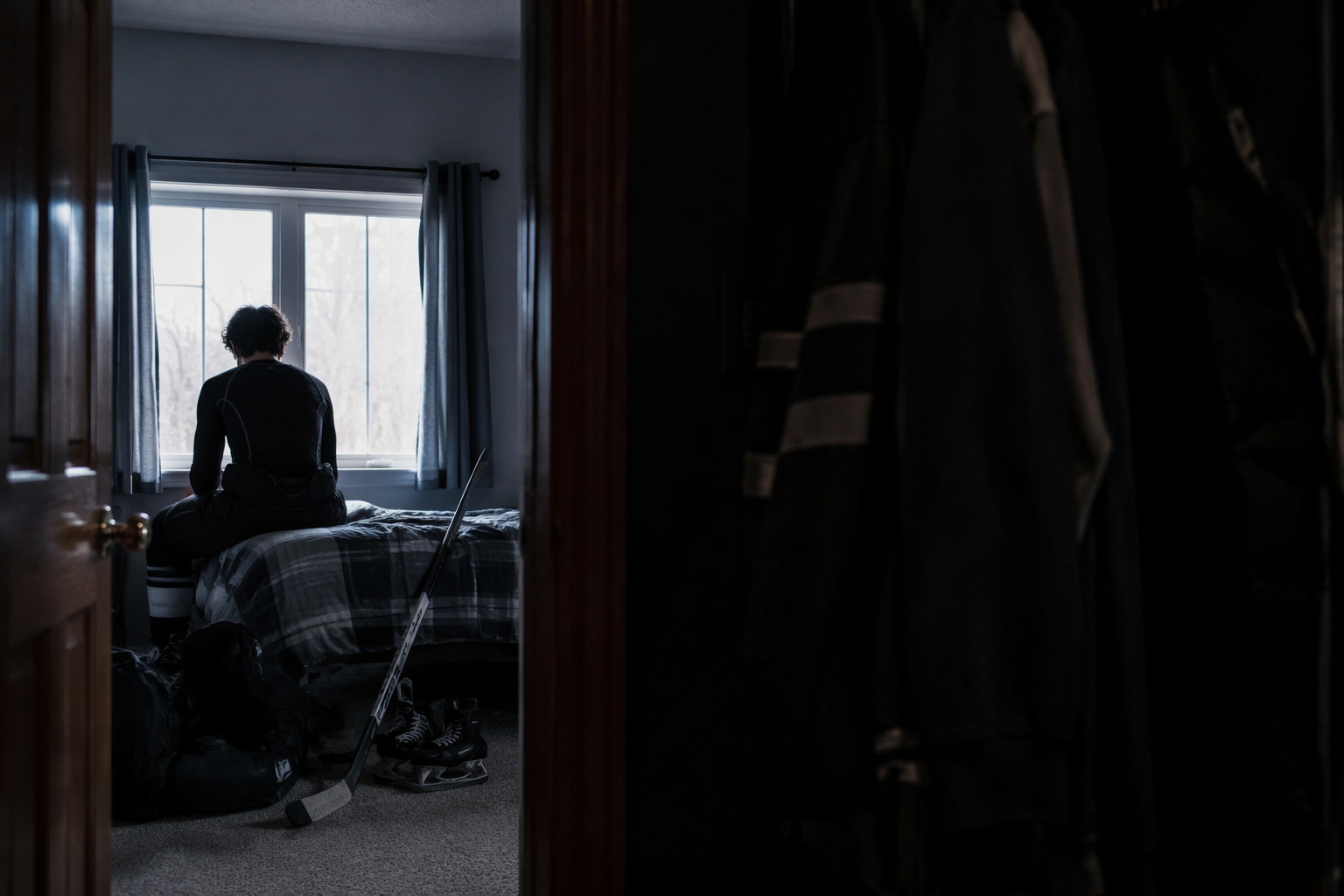
A billet family is not just a spare bedroom with a jersey hanging on the wall. The setup is simple on paper: players live with a host family when they are away from their parents. In practice, the family becomes the player’s base for housing, structure, transportation, meals and emotional support.
Host families are paid a pre-established fee of $500 per player per month to help cover household expenses such as food and drink. Billet families are asked to provide three meals per day and snacks. Billet players are expected to treat host families, property and fellow residents with respect, communicate well, and report team-rule or curfew violations to the billet coordinator immediately.
It is not a free hotel stay, and it is not a hands-off housing contract. It is a managed living situation built around accountability, with the host family helping set the tone for a player who still has to show up on time, handle schoolwork and stay ready to play.
Why teams build billeting into the program
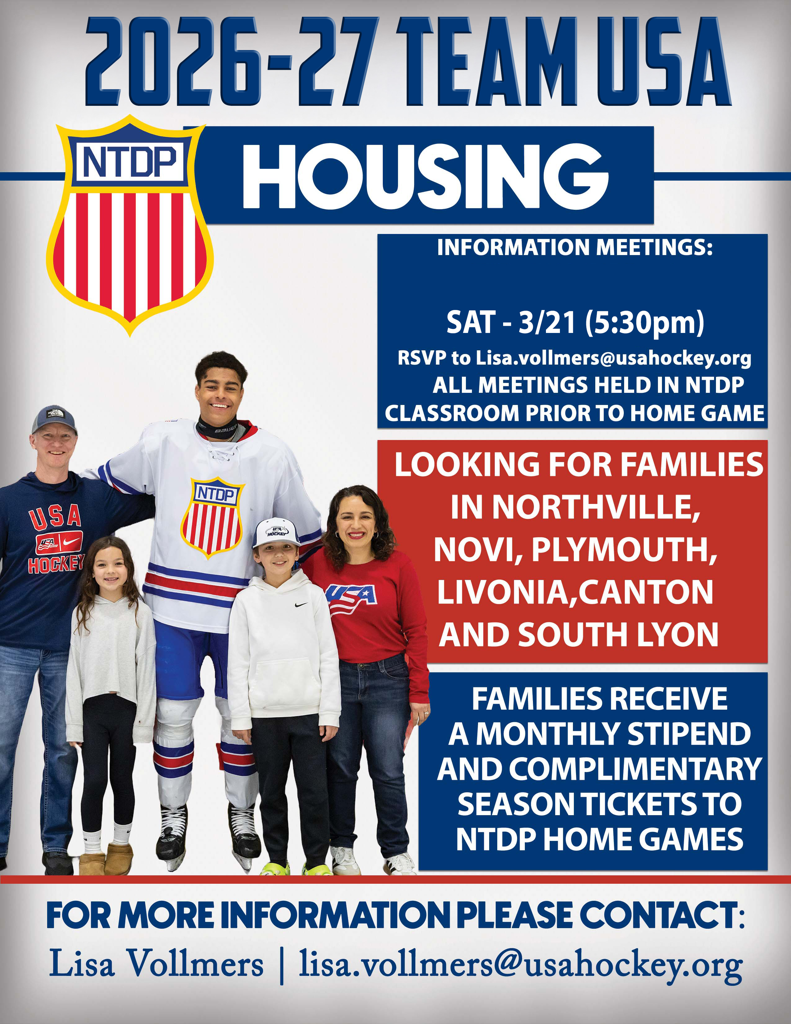
USHL teams talk about host families as part of the product because they are part of the product. For the Sioux City Musketeers, billet families are part of the team’s support structure and crucial to success. For the Lincoln Stars, families who open their homes and hearts to players living too far away to commute to practices and games help those players thrive physically, academically and emotionally.
A player who can get to practice, eat properly, finish homework and sleep in a predictable environment has a better chance to develop. The Fargo Force and Tri-City Storm both maintain host-family information pages.
The Madison Capitols once leaned on a creative marketing campaign to find host and billet families. Host families are essential, but they are not easy to recruit or retain, especially when the commitment stretches through an entire season and into the daily routines of an unfamiliar teenager.
Inside the Raynsford example
USA Hockey’s 2021 feature on Brian and Heather Raynsford described billeting as a “rite of passage” for USHL and NAHL families. The Raynsfords’ experience captures the real job: they are not just housing a player, they are absorbing the rhythm of a season into their own household.
That rhythm includes the practical stuff fans never see. Players need rides, laundry done, curfews enforced, and enough structure to handle a 9:00 p.m. home game, a morning workout or a long road trip without every domestic detail falling apart.
The broader USA Hockey model
The USHL sits at the top of the American junior ladder, but the concept is bigger than one league. USA Hockey’s broader junior structure, which also includes the NAHL and NA3HL, depends on the same basic idea: elite teenage players need a safe, stable place to live while they chase high-end development.
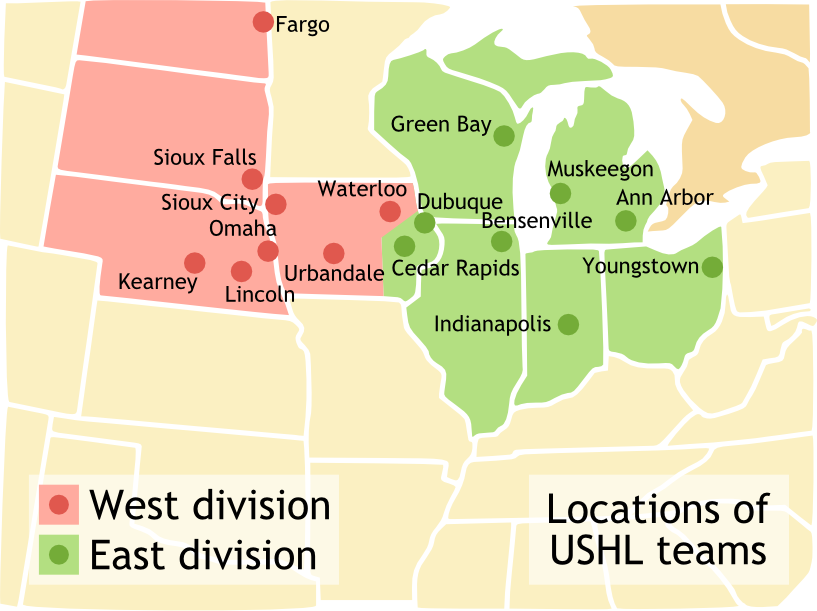
USA Hockey’s National Team Development Program also maintains a housing page and keeps host-family applications open for the 2026-27 Team USA season. The page points to an interview with Director of Student-Athlete Services Lisa Vollmers and broadcaster Pete Krupsky.