USHL Clark Cup playoffs begin with 12-team bracket format
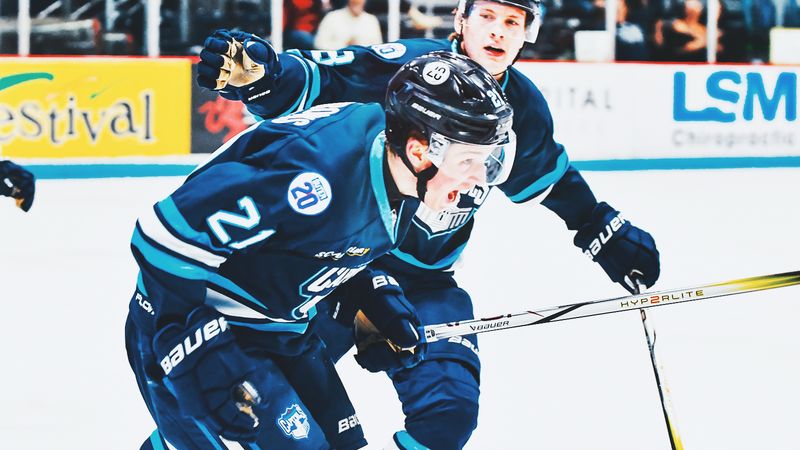
Twelve teams qualify for the USHL playoffs, six from each conference, and the path from the opening round to the final is shaped by byes, home ice, and a tiebreaker system that can flip seeding late in the spring.
How the bracket opens
The first round is a best-of-three series, and it starts with the No. 3 seed against the No. 6 seed and the No. 4 seed against the No. 5 seed in each conference. Every first-round game is played at the higher seed’s home rink on three consecutive nights, so the lower seed has to win without ever gaining home ice in the series. The top two seeds in each conference skip that opening round entirely and go straight to the conference semifinals.
That structure first came into focus when the 2024-25 Clark Cup playoffs began Monday, April 14, 2025. The first round now begins the first weekend after the regular season ends, a tweak meant to optimize athlete recovery and give fans a cleaner playoff opening than a Monday-night start. The current schedule revision is effective through the 2027-28 season.
Why the regular season keeps controlling the spring

Once the bracket turns to best-of-five hockey, the higher seed owns Games 1, 2, and 5 in a 2-2-1 format. That holds through the conference semifinals, the conference finals, and the Clark Cup Final, so a better regular-season finish can mean two home games to start every series and a potential winner-take-all Game 5 at home. Home-ice advantage in the final goes to the team with the most regular-season points, with regulation and overtime wins used first if the teams are tied on points.
A club that finishes third is not just “in” while a club that finishes sixth is not just hanging on for the ride. The third-place team can buy itself a first-round bye, three straight home games to start a series, and a more favorable lane to the final, while the sixth-place team has to fight through more elimination hockey just to reach the same stage. The USHL’s 2025-26 schedule keeps each team on a 62-game slate, which leaves little room for a slow start or a late collapse to go unnoticed.
The pairings fans get hung up on
The cleanest way to map the bracket is to think in terms of two steps. The winner of the No. 3 vs. No. 6 series advances to face the No. 2 seed, while the winner of the No. 4 vs. No. 5 series moves on to face the No. 1 seed in the conference semifinals. In 2026, the Eastern Conference would reseed after the opening round in at least one bracket scenario, which means the exact matchup language can shift slightly, but the underlying rule stays the same: the highest remaining seed gets the easier draw and the next-highest seed gets the other surviving team.
If your team finishes No. 4, it hosts No. 5 for up to three straight nights, and a sweep sends it into the second round with no road travel in the opening series. If it finishes No. 2, it avoids the first round entirely and waits for the survivors. If it finishes No. 1, it does the same, but with the added possibility of holding home ice all the way to the final if its point total stays ahead of every other finalist.
How the league breaks ties
The seeding tiebreakers are where the USHL’s bracket gets most technical. The order is regulation and overtime wins, head-to-head record, most wins in league competition including shootout wins, least losses in league competition, goal differential, head-to-head goal differential, and then, if needed in some cases, a neutral-site game or a coin flip.
A team’s magic number hits zero when the clinching team’s points equal the seventh-place team’s maximum possible points. That is the fastest way to understand when a club has sealed a postseason berth, even if the final seed is still unsettled. The one place the league does not use tiebreakers is the Anderson Cup regular-season title, which is shared if two teams finish tied on points.
Why the Clark Cup still carries extra weight
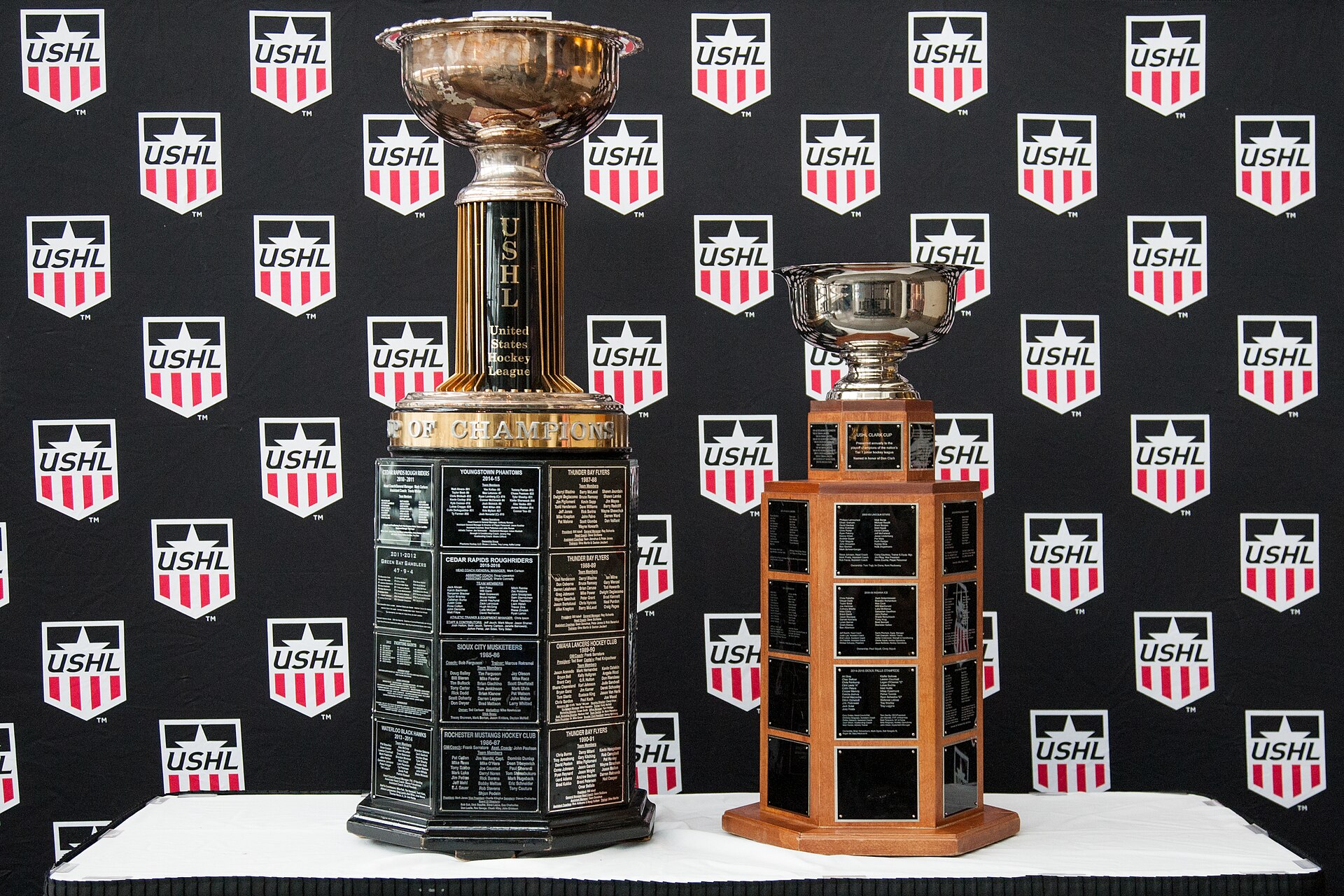
The Clark Cup is named for Don Clark, the longtime registrar of the Minnesota Amateur Hockey Association. More than 50 percent of NCAA Division I roster spots are filled by USHL alumni, by the league’s count.
Recent playoff history shows how quickly that path can turn. Muskegon won its first Clark Cup in 2025 with a 4-3 overtime victory over Waterloo in Game 5, with Jack Christ scoring six minutes into overtime to finish the series and Tynan Lawrence earning playoff MVP honors after eight goals and 10 assists in 14 games. In 2026, Sioux Falls returned to the Clark Cup Final for the first time since 2019, while Muskegon reached the final for a second straight year.
Sources
- [1]ushl.com