USHL draft explained, how Phase I and Phase II differ
The USHL draft is built to answer two different team needs at once. Phase I is the long-range bet, centered on a specific birth-year cohort, while Phase II opens the door to older juniors, ages 17 to 20, who are not protected by another USHL club. That split changes everything from how teams plan a roster to what a draft pick really says about a player’s path to the league.
How the USHL draft works
The league places its draft in the first week of May every year and runs it in two phases, with separate full-results pages for Phase I and Phase II. That structure matters because the two pools are not interchangeable: one is built around age and future projection, the other around immediate availability and roster fit.
The league has also kept the timing flexible inside that early-May window. In 2025, the USHL set Phase I and Phase II for May 5-6, and in 2026 it moved the draft to May 4-5. The date may shift by a day or two, but the framework stays the same: two distinct phases, two different player markets, and two different ways for clubs to shape their spring.
Why Phase I is the futures bet
Phase I is defined by a birth-year cohort, which gives it a very different feel from a standard draft for older juniors. Teams are selecting players who are generally younger and farther from meaningful USHL minutes, so the pick is less about next month and more about the next stage of development.
That is what makes a Phase I selection a signal of upside. A club is saying it believes the player can grow into a core piece, even if the timeline stretches well beyond opening night. For families and fans, that means a Phase I pick is often a promise of possibility rather than an immediate roster assignment.
This is also why Phase I carries so much roster-planning weight. A team that uses an early pick there is making room for patience, knowing the player may need more time before he is ready to drive a USHL game. In junior hockey, that kind of bet can shape how a club balances its lineup for more than one season.
Why Phase II looks and feels different
Phase II is the broader pool, and the age range tells you almost everything you need to know. Eligible players are 17 to 20, and they are not protected by another USHL club. That makes Phase II a more immediate market, filled with older juniors who can compete sooner and may fit a roster need right away.
The protection list is the key layer underneath that market. Clubs can protect players before Phase II, which removes those names from the open field and changes how aggressive other teams can be. In practice, that means Phase II is not just a continuation of Phase I. It is a separate personnel market with its own rules, and those rules can move the value of a pick in a hurry.
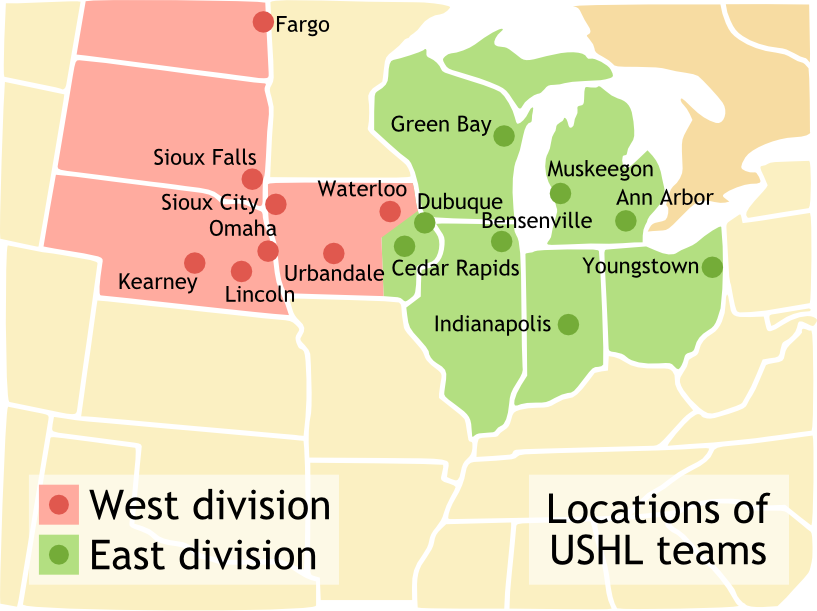
Tender agreements add another wrinkle. USHL clubs publicly announce tenders ahead of the draft cycle, and those moves can affect who is available in Phase II. The Sioux City Musketeers, Chicago Steel, Green Bay Gamblers, Cedar Rapids RoughRiders, and Youngstown Phantoms have all been among the clubs making those pre-draft tender announcements. Once a player is tied up that way, he is no longer operating like a fully open-market option in the Phase II pool.
That is why Phase II often feels more urgent than Phase I. A club can still find a long-term prospect there, but it is also shopping for players who can step in sooner, help fill out a lineup, and solve a short-term hole. For a coach or general manager, that is a very different kind of draft room than the one used for Phase I.
What the draft says about player development
The two-phase format is really a map of junior hockey’s development clock. Some players are chosen because the upside is too good to pass up, even if the payoff is delayed. Others are taken because they are closer to game-ready and can help a team sooner. The USHL split makes those paths visible, instead of forcing both kinds of talent into the same bucket.
That distinction also helps explain why a draft pick in the USHL does not carry only one meaning. In Phase I, the pick often points to a longer runway and a heavier development role. In Phase II, it can point to a player who may have a clearer path to ice time because he is older, more physically developed, or already close to the level a club needs.
The league’s public draft pages reinforce that point by separating the full results for each phase. Fans can track who was taken, but the real value is understanding why a player landed in one phase rather than the other. In USHL junior hockey, that is often the difference between a future cornerstone and a roster answer for the near term.
How the draft fits into the wider pipeline
The USHL draft does not operate in a vacuum. The league announced in March 2025 that NHL Central Scouting would attend USHL combines, which places the draft inside a larger player-development system that reaches all the way to NHL evaluation. That connection matters because it shows how much attention follows these spring decisions, not just from USHL front offices but from the broader scouting world.
The offseason coverage around the draft also shows how closely teams and followers watch the process. The Madison Capitols published a Phase II draft preview on May 6, 2024, and the Omaha Lancers published draft-results coverage on May 4, 2026. Those kinds of team pages reflect how central the draft is to the league’s identity: it is not just a transaction list, but a key marker in how each club builds its next roster.
For readers trying to make sense of the USHL’s spring calendar, the cleanest way to read the draft is simple. Phase I is the league’s futures market, built on age and upside. Phase II is the broader, more immediate pool, shaped by protection lists, tenders, and roster need. Put together, the two phases show how the USHL balances tomorrow’s core with the players who can help today.
Sources
- [1]ushl.sportngin.com
- [2]ushl.com
- [3]madcapshockey.com
- [4]lancers.com