USHL draft explained, Phase I, Phase II and affiliate-player rules
By the July 10 roster deadline, USHL clubs have already had to submit a 30-man active roster and a 26-man affiliate list. Players are identified at combine events, sorted by age into Phase I and Phase II, then folded into rosters that keep changing through affiliate assignments and July deadlines.
How the pipeline works
A prospect does not need to register for the USHL Draft to be eligible. Age is what matters: Phase I is for 16-year-olds, while Phase II covers players from the 17-year-old category through the 20-year-old category.
The path usually starts at the combines, where players are seen by USHL and NCAA personnel before the draft order ever gets locked in. From there, teams use the draft to secure rights, then use affiliates to manage injuries, call-ups and development minutes once the season begins.
Why Phase I and Phase II are separated
Phase I exists to let teams target the youngest draft class without mixing it with older players who are at very different stages physically and developmentally. Each club makes 15 selections in Phase I, so that portion of the draft is about premium upside and long-range planning. For a rebuilding club, those picks can be the foundation of a future core, especially because the draft order rewards the teams that finished lowest in the regular season by giving them the first overall pick.
Phase II is a different job. Once the 16-year-old pool is handled, teams keep selecting until they have built a 50-man protected list that combines protected players, Phase I picks and Phase II picks. Phase II is often where clubs finish shaping depth and matching needs to their existing roster.
What the draft order really rewards
The league uses standings-based selection order, which puts the lowest regular-season team first and gives the strongest incentive to rebuild. Teams that miss the playoffs or finish near the bottom get a better shot at premium youth, while contenders often have to find value through later selections, affiliates and player development.
The draft is a future projection, not a straight-line ranking of talent. A club picking early in Phase I is not automatically drafting the best player available in a vacuum, because roster fit, age curve and long-term development all matter.
What the combines tell teams

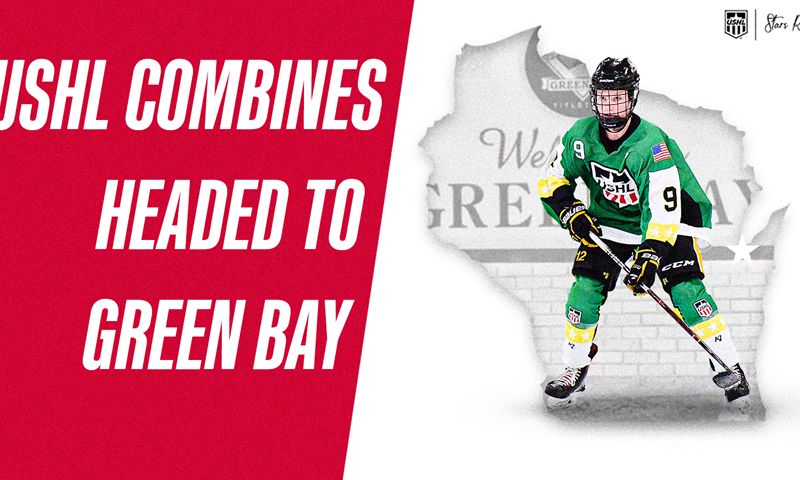
The USHL combines have been running for 15 years, first created in 2010, and they have become one of the league’s most important evaluation tools. The current setup is based in Green Bay, Wisconsin, at Cornerstone Community Center and Cornerstone Ice Center, where invite-only players get five games to show what they can do in front of USHL coaches, scouts and NCAA coaches. They also go through off-ice physical and cognitive testing, which gives teams a broader view than one showcase weekend can provide.
The combine is not just about scouting; it is also about education. More than 1,000 players born between 2007 and 2012 were expected to attend the 2025 combine programming. NHL Central Scouting was also announced as attending in 2025.
Why the calendar keeps landing in early May
The draft has settled into an early-May rhythm, which gives clubs a clear evaluation window after the season and before the summer roster shuffle. The 2025 Phase I Draft was set for May 5 and Phase II for May 6, while 2026 was set for May 4 and May 5, both at the host arena in Madison, Wisconsin. The 2025 draft was partnered with Neutral Zone, and the 2026 draft was paired with Puck Preps and hosted by the Madison Capitols.
Teams can use spring combine looks, then make draft decisions days later, then carry those decisions into protected lists and summer roster planning.
How affiliate rules shape the season
Affiliate players are one of the most important pieces of the USHL’s developmental structure. Players in the 18-year-old category or younger can be used as affiliates, and they can appear in up to 10 games per season. Only six of those games may come before March 1 unless the player’s current season is already complete, which keeps the system developmental instead of purely transactional.
That rule set gives clubs a way to manage depth without rushing young players into full-time duty. It also keeps the door open for a prospect who may not be ready for a full roster spot in September but can still contribute in controlled doses as the season unfolds.
The newer layer in the talent ladder
The league added another development checkpoint in 2025 with the USHL High Performance Camp, an invite-only experience for elite 2011- and 2012-born players. The camp is designed to give those younger prospects a behind-the-scenes look at how the USHL, NHL, NCAA and USA Hockey identify future players. It extends the same logic as the combine, only earlier in the pipeline, where the league can educate, evaluate and compare prospects before they reach draft age.
Sources
- [1]ushl.com