USHL junior hockey: USA Hockey rules shape fighting and discipline
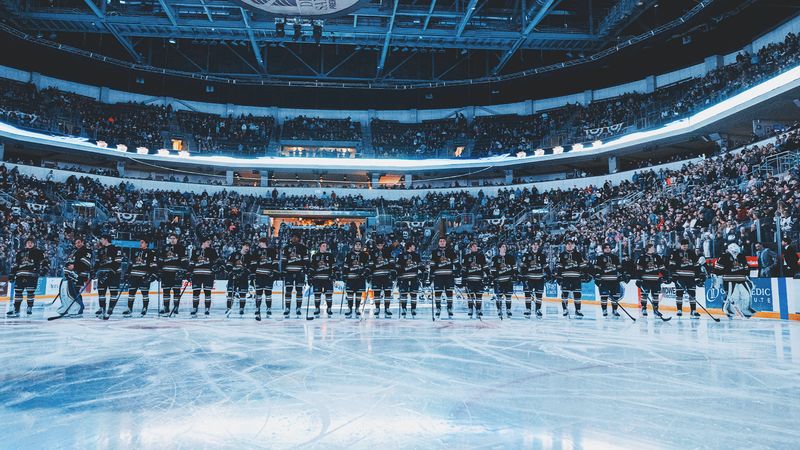
USHL nights can turn on more than a goal wave and a glove drop. USA Hockey’s 2025-29 Rulebook app and the league’s own standings model make that clear: junior fighting penalties are heavier than fans often expect, and regulation and overtime wins sit at the front of the playoff order. In a league built around development, that changes how coaches manage momentum, how benches react to hits, and how a one-goal game can feel long before the horn sounds.
Fighting changes the temperature
Junior Rule 615 is blunt for Tier I and Tier II: a fight brings a major penalty plus a misconduct. If the player was struck first and keeps the altercation going, the referee can choose a minor, double minor, or major plus misconduct at discretion, which means the same scrum can produce different fallout depending on who escalated it. That discretion matters because it gives officials a way to separate pure self-defense from retaliation that drags the game into something uglier.
The rulebook gets much harsher when the clock shrinks. A major for fighting with less than five minutes left in regulation, or any time in overtime or a shootout, becomes a game misconduct with an automatic suspension for the next two scheduled games. Any player involved in a fight pre-game, post-game, pre-period, or post-period is also assessed a game misconduct and suspended for the next two games, while fighting off the playing surface can bring team fines of up to $2,500 plus $250 per player, per occurrence.
Why coaches shorten the leash
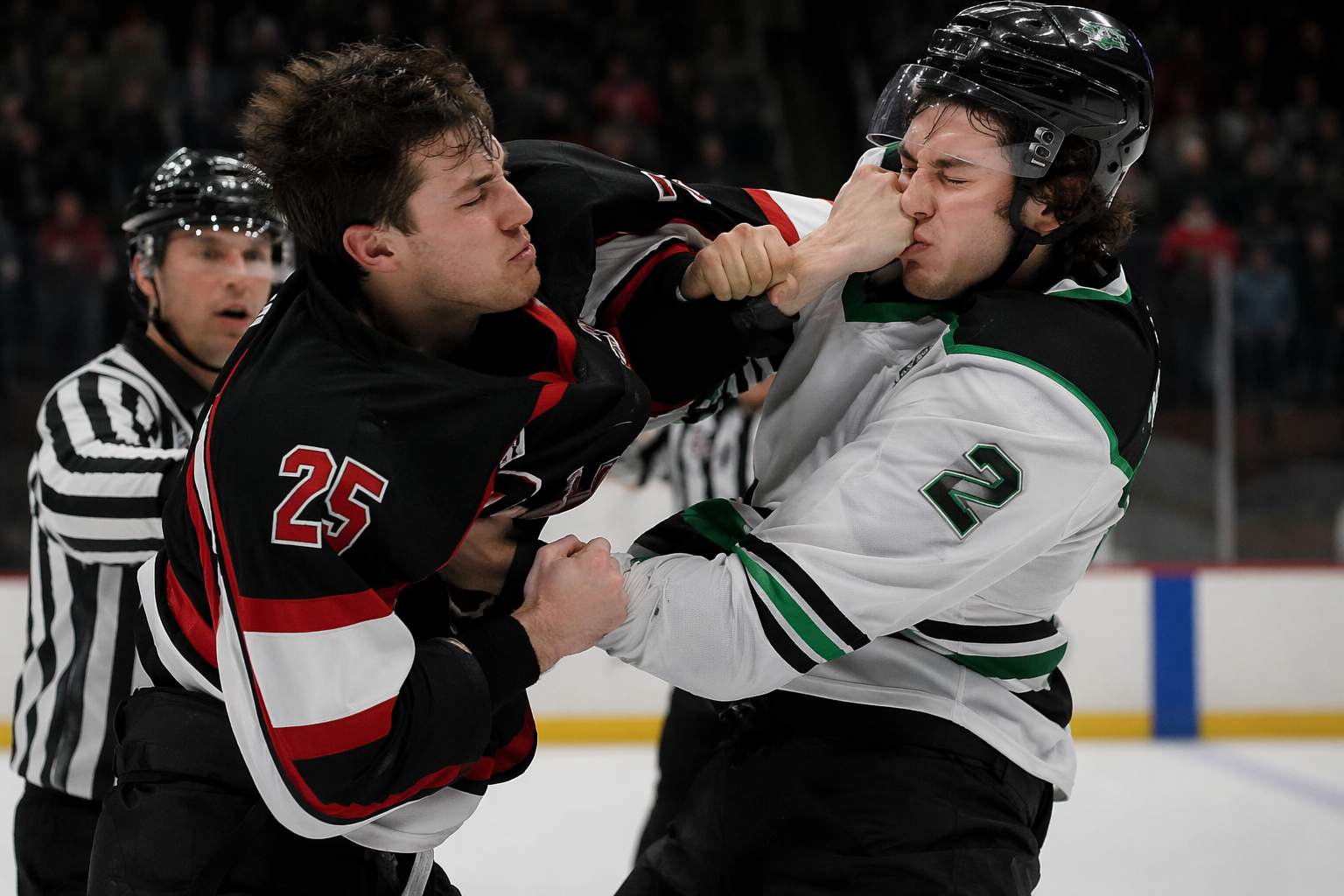
That punishment changes coaching math in real time. A late fight does not just wipe out a shift, it can take a key player out for the next two scheduled games, so a coach weighing whether to answer a hard hit has to think beyond the next faceoff. USA Hockey’s incident-reporting system sends Rule 615 violations into disciplinary review automatically, so the bench knows the paperwork and the suspension risk are coming whether the crowd is buzzing or not.
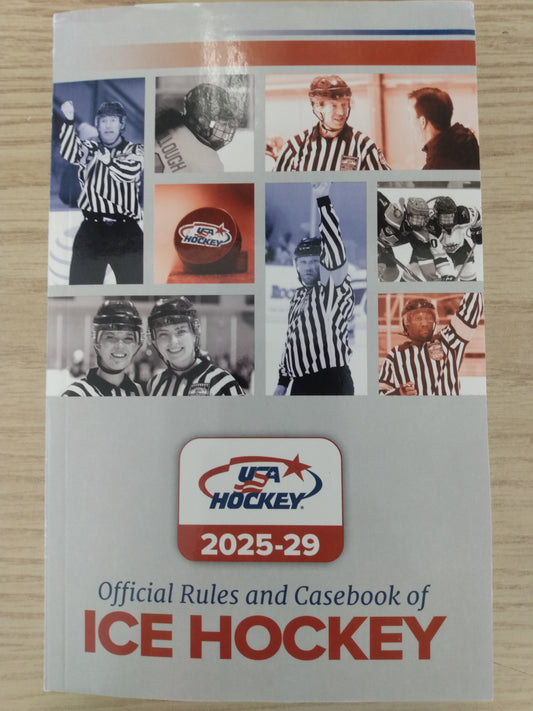
The best rulebook companion is the one the officials use. USA Hockey’s 2025-29 Rulebook app includes the playing rules, casebook Q and A situations, Ask the Official access, and future junior hockey updates, which is exactly the kind of resource that helps fans understand why a simple shove can turn into a major, a misconduct, and a roster problem for the next series. The casebook also addresses altercations that escalate into multi-player scrums, reinforcing the message that junior hockey is built to shut down the chain reaction fast.
The standings race rewards the right kind of win
The schedule explains why the discipline matters over months, not just shifts. The USHL’s 2026-27 regular season is a 62-game, cross-conference grind for all 16 teams, starts at the Fall Classic in Chicago from Sept. 16-20, 2026, and ends on Saturday, April 3, 2027. The league says it is USA Hockey’s only Tier-I junior league, which is why every game sits inside one of the sport’s most closely watched development pipelines.
Once the Clark Cup race tightens, the tiebreakers tell the whole story. The order starts with regulation plus overtime wins, then head-to-head record, then most wins in league competition, then fewest losses, and finally goal differential. USHL playoff tracking also uses a magic-number concept to show when a team can clinch, and older playoff documents add head-to-head goal differential and, if needed, a neutral-site or coin-flip fallback.
What fans should watch when the stakes rise
Put those pieces together in a late-season game and the tone changes quickly. A club protecting a one-goal lead cannot treat a retaliatory punch as a clean answer, because a late fighting major can cost two games and a fight off the surface can add money to the problem. At the same time, a standings race built around ROW means the difference between regulation, overtime, and shootout outcomes can shape seeding, not just the two points in the standings.
That is why USHL hockey feels so deliberate once tempers rise: benches clear their heads faster, third-player interference gets shut down before it becomes a brawl, and coaches spend as much energy managing discipline as they do chasing offense. The score still decides the winner, but in this league the rulebook decides how expensive the final 10 minutes can become.
Sources
- [1]ushl.com
- [2]usahockeyrulebook.com
- [3]usahockey.com