USHL marks 45th anniversary as Fargo, Youngstown win first titles
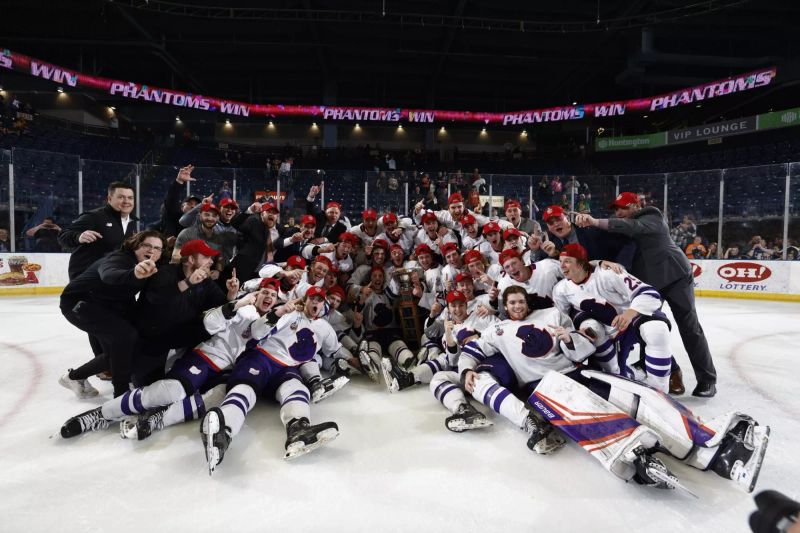
The USHL’s 45th anniversary season showed exactly how the league built its pipeline. Glenn Hefferan’s media guide put 16 teams on the ice for the Clark Cup chase, and Fargo Force and Youngstown Phantoms each finished with the first league titles in franchise history. That mix of national reach, championship structure, and development purpose is what keeps the USHL separate from the rest of U.S. junior hockey.
A league built around one Tier I lane
The modern USHL era begins in 1979, when the league took the shape fans recognize today. That matters because the league is not just another junior stop; USA Hockey says its junior program serves players ages 16-to-20, and the USHL is the only Tier I junior hockey league in the United States. USA Hockey also says it oversees three junior leagues, the USHL, North American Hockey League and North American 3 Hockey League, which puts the USHL at the top of a clearly ordered system rather than in a loose cluster of peers.
That hierarchy is the first structural decision that made the USHL the premier U.S. junior circuit. USA Hockey’s 2017 guidance on junior hockey described “more than 120 teams in five different leagues spread throughout the entire country,” a reminder of how crowded the landscape is beneath the Tier I level. The USHL’s edge is that it sits alone at the top of that ladder, giving players one unmistakable place to prove they can handle elite junior competition, college hockey expectations and pro-style scrutiny.
Why the 16-team format matters
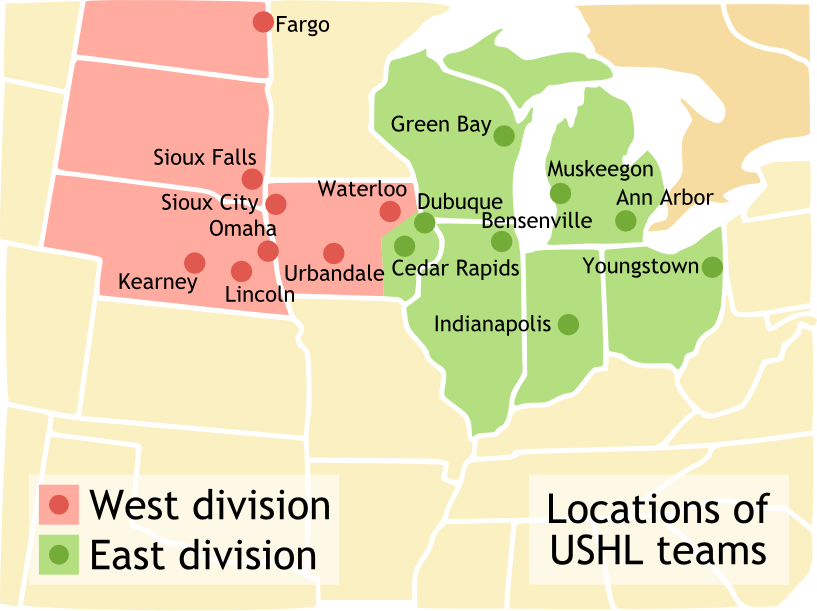
The 2023-24 media guide framed the season as the league’s “45th Anniversary Season as 16 teams take the ice in pursuit of the Clark Cup.” That line captures more than a milestone. A 16-team coast-to-coast league creates a fixed competitive calendar, stable opponents and a built-in postseason that gives both the regular season and the playoffs real meaning.
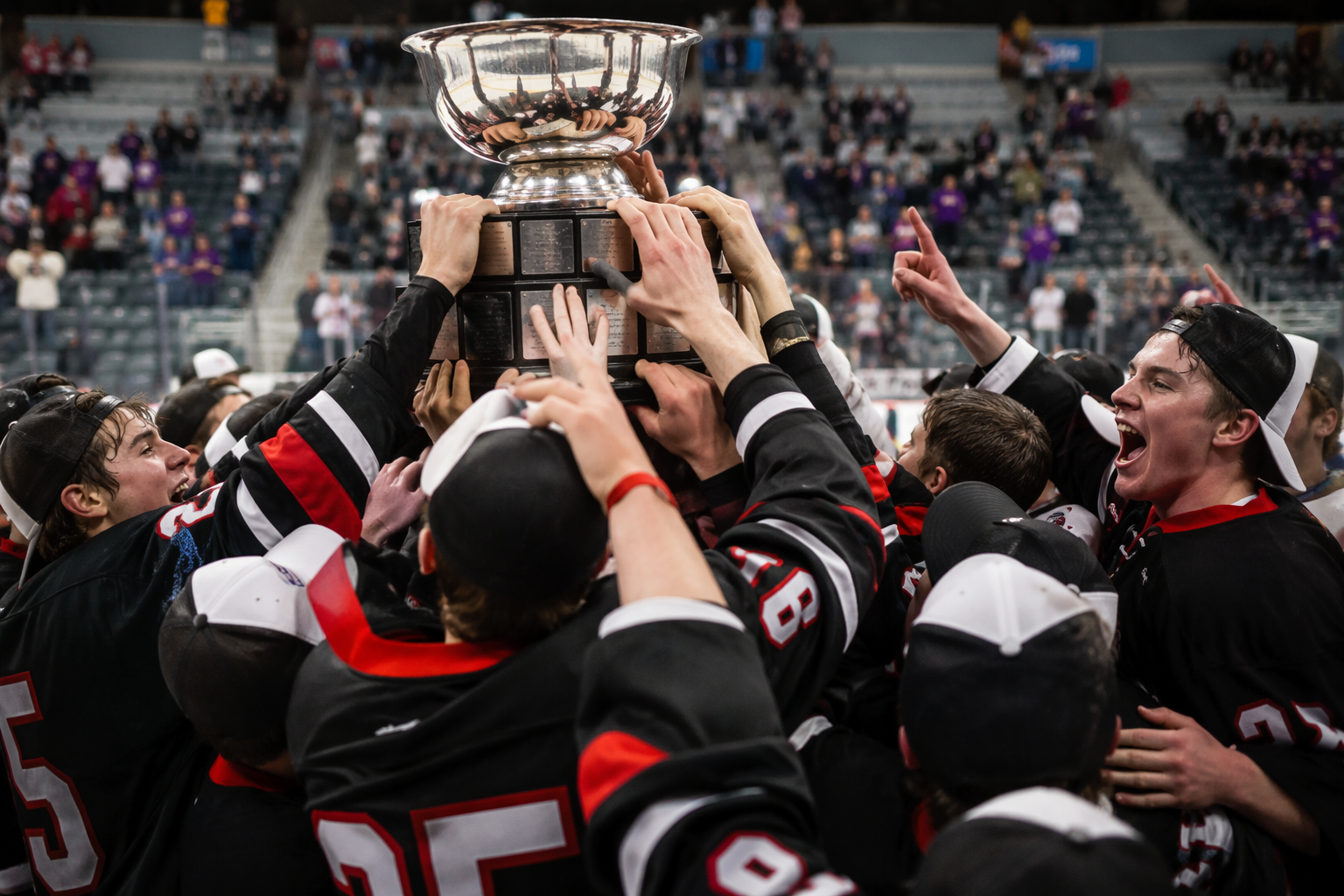
That structure also helps explain why the USHL is so different from lower-tier circuits. When the league has the same number of teams year after year and a championship race that runs through both the Anderson Cup and the Clark Cup, it creates a standard path for evaluation. Players are measured in the same environment, against the same kind of competition, with league-wide visibility that is much harder to replicate in smaller or more fragmented junior systems.
The league has continued to reinforce that consistency. In 2026, the USHL introduced a standard player development agreement to strengthen its player-first model, and in May of that year the NHL, USA Hockey and the USHL announced expanded support for Tier I player development in the United States. Those are not cosmetic moves. They show a league that keeps tightening the rules around how players move, develop and get evaluated.
The scouting and college pipeline
The USHL’s own development pages make the pipeline clear. The league brands itself as Tier 1 junior hockey and places its NHL and USA Hockey ties front and center, while also organizing its player pathway around college commitments, NCAA alumni and NHL alumni. That matters because the league’s value is not only in games played, but in the number of players who move from those games to the next level.
One clear marker is college hockey. The USHL said in 2024 that it had more than 910 alumni on NCAA rosters. That number shows the league’s college footprint is not occasional or symbolic. It is large enough to define the USHL’s identity, and it helps explain why coaches and scouts track the league so closely through the season instead of waiting for the NHL Draft.
The draft outcomes are just as telling. At the 2024 NHL Draft, 49 current or former USHL players were selected, and 43 of them had played at least one game during the 2023-24 season. That is the kind of draft volume that separates the USHL from lower-tier junior circuits, where NHL attention is thinner and college placement is often the ceiling rather than the middle of the road.
Fargo and Youngstown showed both sides of the system
The 2023-24 season gave the league a neat case study in how its two championships work. Fargo Force won their first Anderson Cup as regular-season champions, then Youngstown Phantoms won their first Clark Cup as postseason champions. The two trophies reward different things: the Anderson Cup measures the grind from October through spring, while the Clark Cup decides which team survives the playoff bracket.
That split is part of the USHL’s design, and it is part of why the league keeps producing meaningful development outcomes. A team can build through the regular season, load up on exposure and still have to prove itself again in the playoffs. Youngstown’s first Clark Cup title and Fargo’s first Anderson Cup made that balance visible in a single season, with both clubs reaching milestones that fit the league’s broader development mission.
The result is a junior system with a clear top rung. The USHL sits as the only Tier I junior league in the United States, backed by USA Hockey, linked to the NHL, and structured to move 16-to-20-year-old players toward NCAA hockey and beyond. The 45th anniversary season was not just a celebration of longevity; it was a snapshot of the model that turned the USHL into the country’s premier junior pipeline.
Sources
- [1]static.ushl.com
- [2]usahockey.com
- [3]ushl.com