USHL names Lloyd Ney 2026 Gasparini Award winner
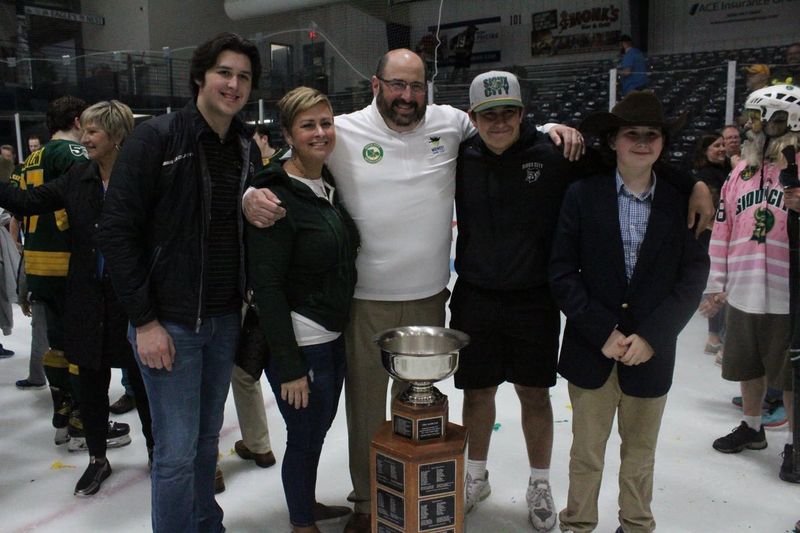
The USHL has named Sioux City Musketeers owner Lloyd Ney its 2026 Gasparini Award winner. Ney serves as the league’s treasurer, chair of the Budget Committee, chair of the Expansion Committee, and a member of both the Executive Committee and Schedule Committee.
Ney helped guide responsible investment strategies, league-wide decision-making and operational planning. His role has included the West Coast expansion effort, where the league moved forward on June 4 with a memorandum of understanding to establish member clubs in Arizona, California and Nevada. The league currently has 16 member clubs across Illinois, Iowa, Michigan, Nebraska, North Dakota, Ohio, South Dakota and Wisconsin, and the Madison Capitols were the last expansion team to join in 2014.
Ney was a leading voice in creating the APEX Committee and helped develop the Standard Player Development Agreement, while also supporting broader standardization work for the Tier I player experience and the Declaration of Excellence developed with USA Hockey and the NHL. The league now uses an AI-powered scheduling model built with Johns Hopkins University.
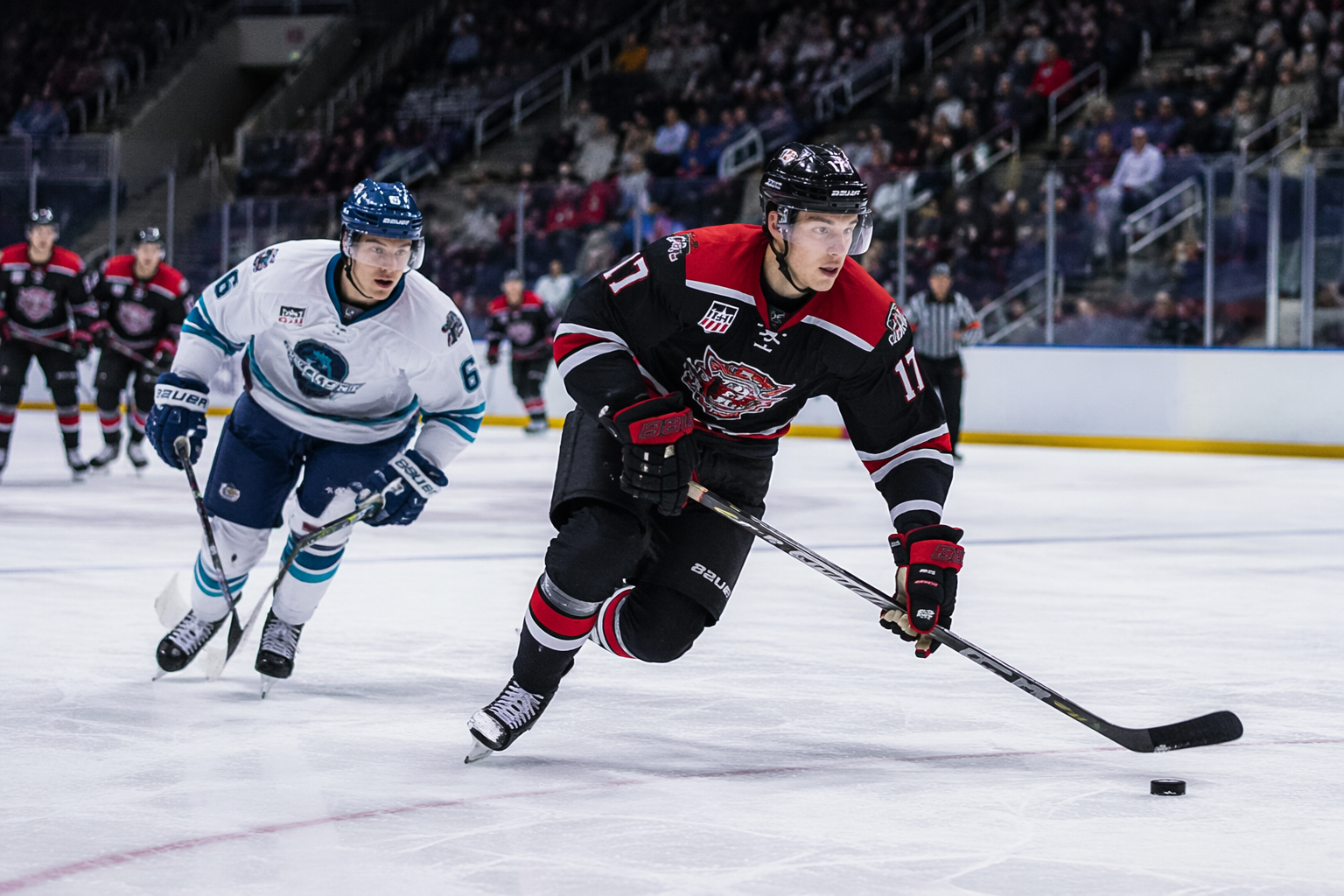
USHL President and Commissioner Glenn Hefferan said Ney has played a critical role in navigating changes to junior hockey. Hefferan also credited Ney’s leadership in expansion, budgeting, scheduling and brand strategy.
The Gasparini Award carries the name of former USHL Commissioner Gino Gasparini, who joined the league before the 1995-96 season. The USHL renamed its Distinguished Service Award in his honor in 2010, and Gasparini’s tenure helped grow attendance, NCAA Division I scholarships and NHL Draft selections, while the USHL became the nation’s only Tier I junior hockey league in 2002. There are no restrictions on eligibility or on the number of winners the award can have.
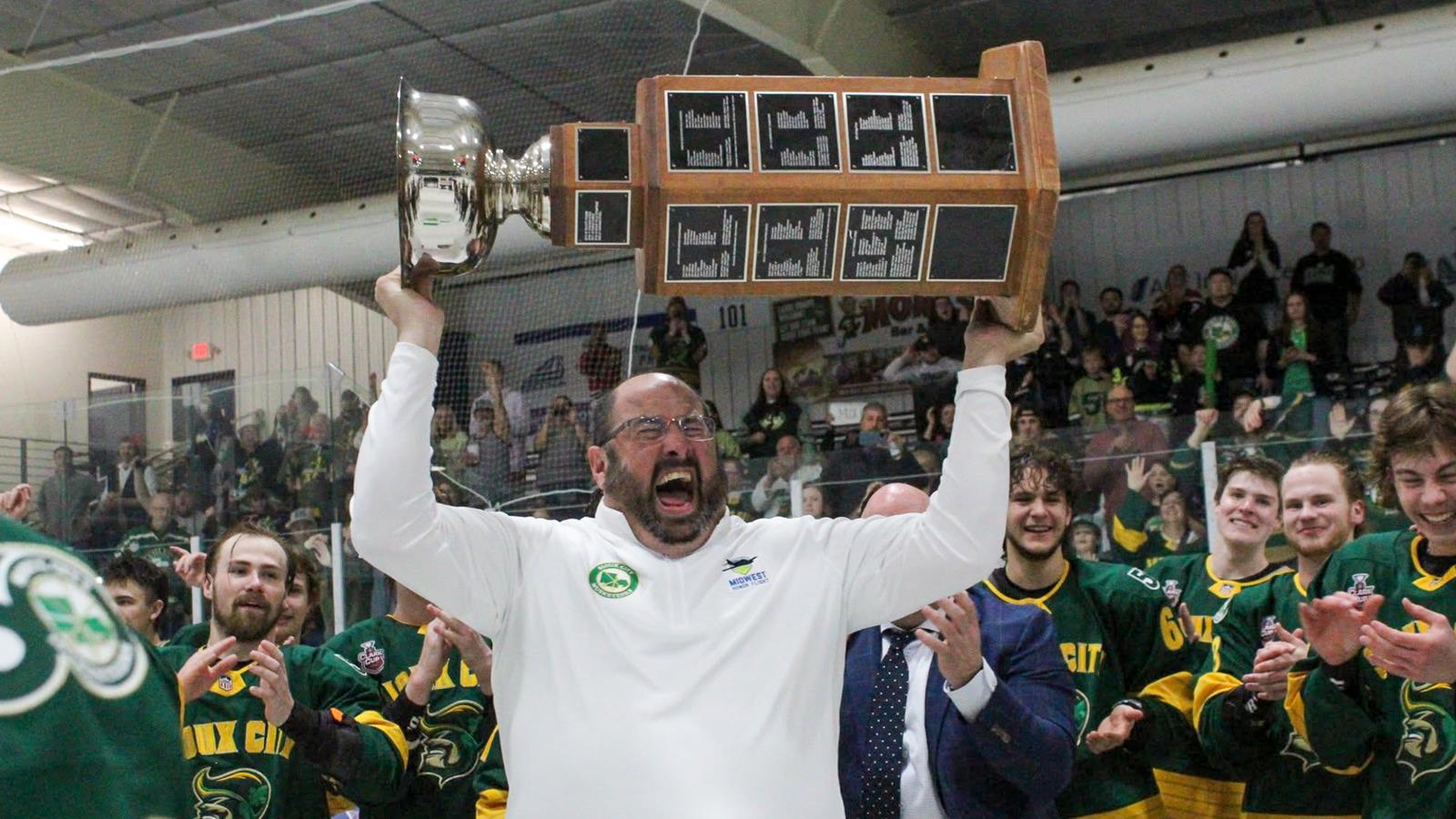
Ney follows Larry Robbins, who won the award in 2025 after owning the Chicago Steel from 2015 to 2023. Robbins invested more than $1 million in facilities and a center-hung videoboard, helped strengthen the club’s player-development model and oversaw a stretch in which 39 Steel players were selected in the NHL Draft and 160 earned NCAA Division I commitments.