USHL officials page highlights NHL pipeline for referees and linespeople
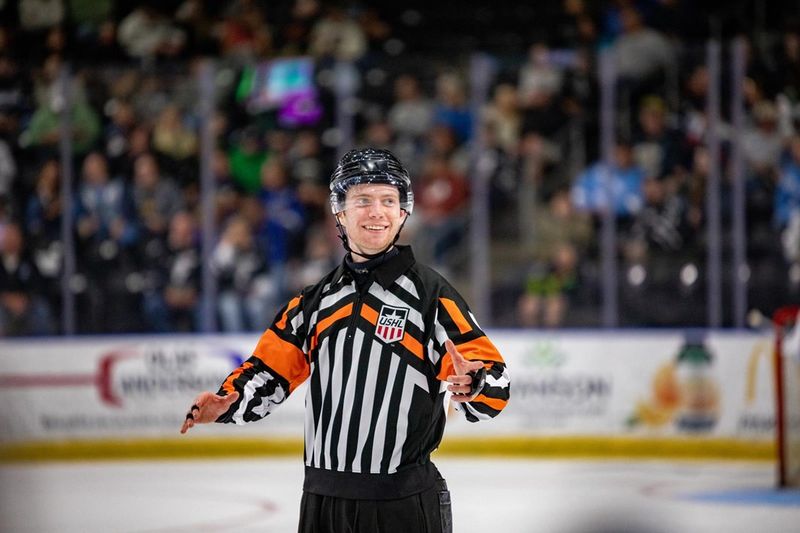
The USHL’s officiating ladder is not theoretical. The league says it has moved more than 400 officials into professional, collegiate, and international hockey, and 15 former USHL on-ice officials have gone on to earn NHL officiating contracts. Former NHL linesman John Grandt now sits at the center of that pathway as the league’s Director of Officiating.
A pipeline fans usually miss
USHL hockey is usually sold as a player factory, and that part of the story is true. What gets less attention is that the league treats referees and linespeople as development projects too, folding them into the same high-pressure ecosystem that produces prospects for college and pro hockey. That matters because the USHL is not a low-stakes classroom; it is the only Tier I junior hockey league in the United States, and USA Hockey’s junior program serves players ages 16-to-20.
That age band creates a difficult working environment for officials. Games can swing from raw, physical battles to polished, fast-paced hockey in the span of a weekend, and the job requires control without over-managing the game. In the USHL, the officials are learning to keep pace with elite prospects, special teams, overtime, and the kind of emotional swings that come with teenagers and young adults fighting for advancement.
John Grandt gives the pathway a visible face
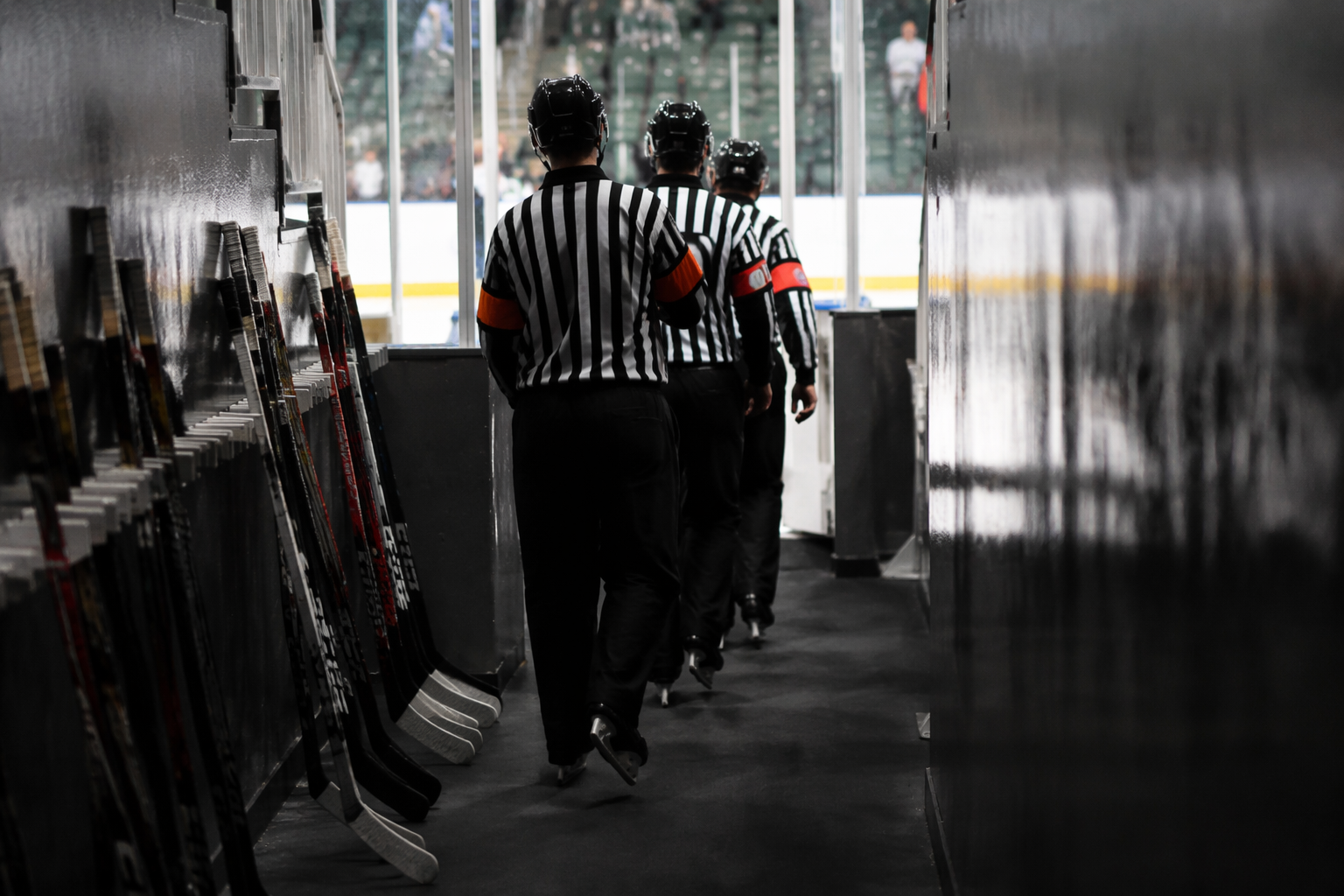
Grandt’s hiring ahead of the 2023-24 season gave the league a familiar hockey name in charge of its officiating direction. The season opened on September 20, 2023, and Grandt arrived with the credibility of a former NHL linesman, which signals how seriously the USHL views the role. His presence also makes the league’s officiating mission easier to see: this is not a side note, but a defined part of the USHL’s development structure.
That structure matters when the league points to actual upward mobility. More than 400 officials have advanced from the USHL to professional, collegiate, and international levels, a number that shows the pathway is broad rather than anecdotal. The league’s officiating page also highlights the NHL endpoint clearly, with 15 former USHL on-ice officials earning contracts to work in the league.
How USA Hockey builds the next officials
The USHL’s work fits inside a larger USA Hockey system. USA Hockey says its Officiating Development Program is designed to identify and train officials who want to work at the highest levels of hockey, and its junior officiating pathway has been creating advancement opportunities for more than two decades. That long runway is important because officials do not jump straight from local games to major assignments; they move through graded levels of pace, pressure, and visibility.
The program’s reach is broader than the USHL alone. USA Hockey assigns officials to games across multiple junior leagues and high-level women’s hockey, which gives them different game environments to sharpen judgment and communication. It also includes Summer Officiating Development Camps, adding another layer of instruction before officials are sent back into live action.
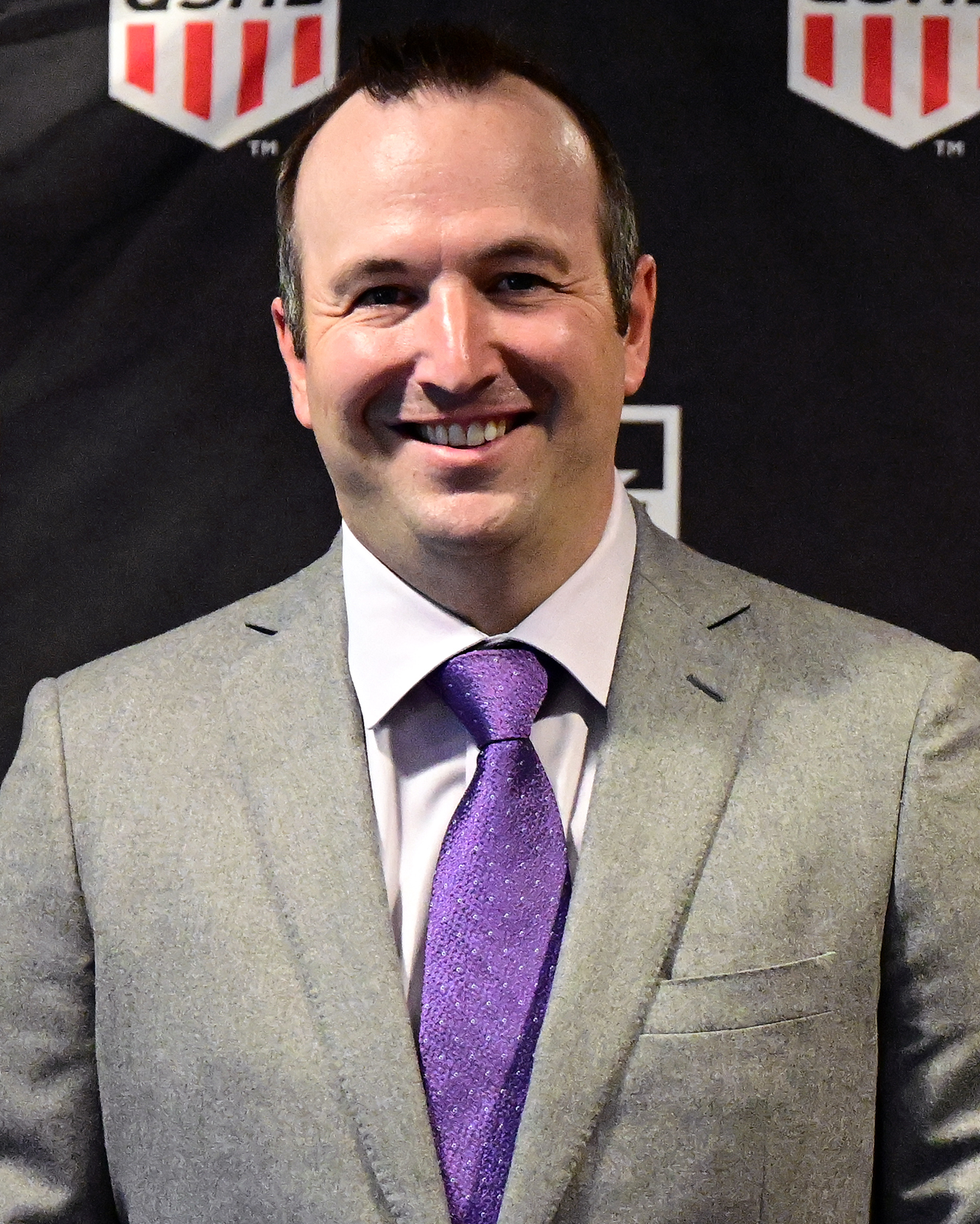
Three NHL officials connect directly to that USA Hockey pathway: Furman South, Mitchell Hunt, and Kilian McNamara all used the Officiating Development Program. Their progression is a useful marker for what the system is trying to do. It is designed to identify talent early, place it in demanding games, and keep pushing it toward the top of the sport.
Why the USHL is such a hard test
The USHL is a useful proving ground because the games are fast, tense, and high consequence without being fully professional. Officials have to manage pace and penalties while allowing elite junior players to compete aggressively, which is a different challenge from simply calling infractions off a checklist. A close USHL game can demand everything from quick positioning to sharp bench control, especially when the temperature rises in third periods and overtime.
That balance also explains why fans sometimes feel officiating looks different from one junior league to another. Development hockey often values consistency, communication, and learning the game in real time, and the USHL’s role in that process helps clarify the standard. The league is producing not only the next wave of skaters, but also the next wave of officials who will work college rinks, international tournaments, and eventually the NHL.
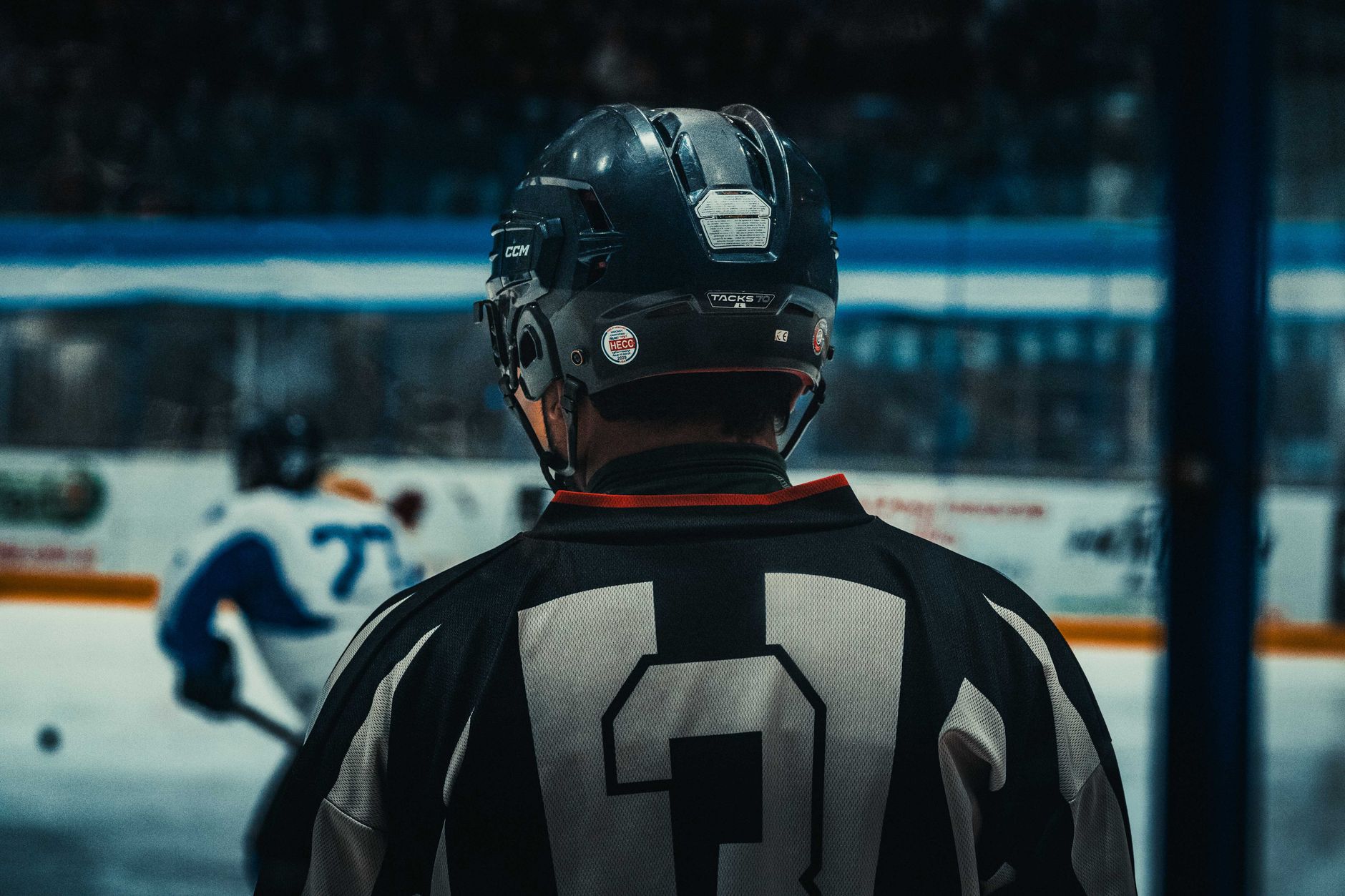
The USHL’s place in the American hockey ladder strengthens that effect. Because USA Hockey’s junior program is built around players ages 16-to-20, the league becomes one of the toughest environments in which to judge speed, discipline, and game flow. That is exactly why the officiating pipeline matters: the officials who succeed there are learning to work a game that is close to the sport’s future, not one step removed from it.
From junior hockey to the NHL
The big takeaway from the USHL’s officials page is simple: development in this league does not stop with the roster. Players, coaches, referees, and linespeople are all being tested against the same level of intensity, and the league’s own numbers show that the path upward is real. When 15 former USHL on-ice officials have reached NHL contracts and more than 400 have advanced beyond the junior level, the officiating side of the league stops looking like background machinery and starts looking like a pipeline of its own.
That is the hidden strength of the USHL. It is not only preparing the next college and pro skaters; it is shaping the people who will control the game when those players get there.
Sources
- [1]ushl.com
- [2]ushl.sportngin.com
- [3]usahockey.com
- [4]scoutingtherefs.com