USHL stands as America’s only Tier I junior hockey league
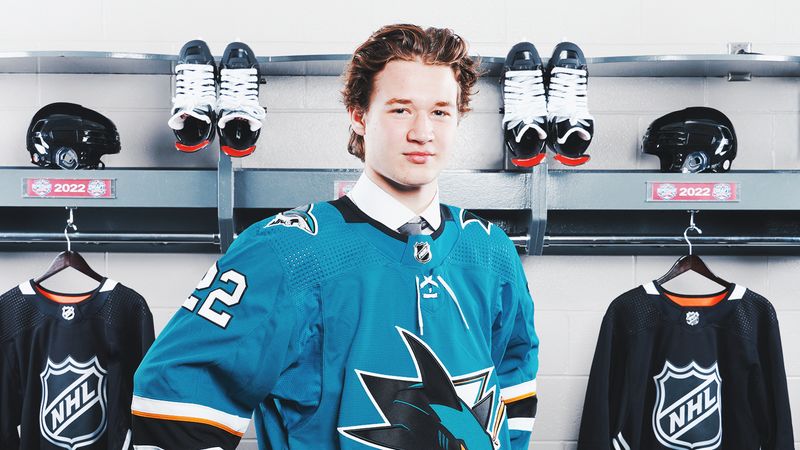
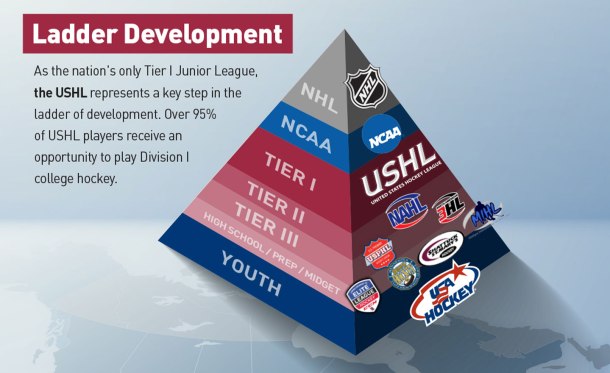
The USHL is not just another junior league. USA Hockey says it is the only Tier I junior hockey league in the United States, and that status is the first thing families need to understand if they are trying to map the road from youth hockey to college ice or the pro game.
What Tier I actually means
USA Hockey’s junior program is built for players ages 16 to 20, with one clear purpose: prepare them for advancement to college hockey or a professional opportunity. That is why the USHL sits at the top of the American junior ladder. It is the highest domestic route for players who want elite competition without giving up NCAA eligibility, and that combination changes the calculus for every parent trying to pick the right next step.
The league also remains strictly amateur. That matters more than it sounds, because amateur status is the gatekeeper that keeps the NCAA path open. In plain English: the USHL is not a dead end and it is not a detour. It is the cleanest American bridge between high-level junior hockey and the college game.
How the league is built day to day
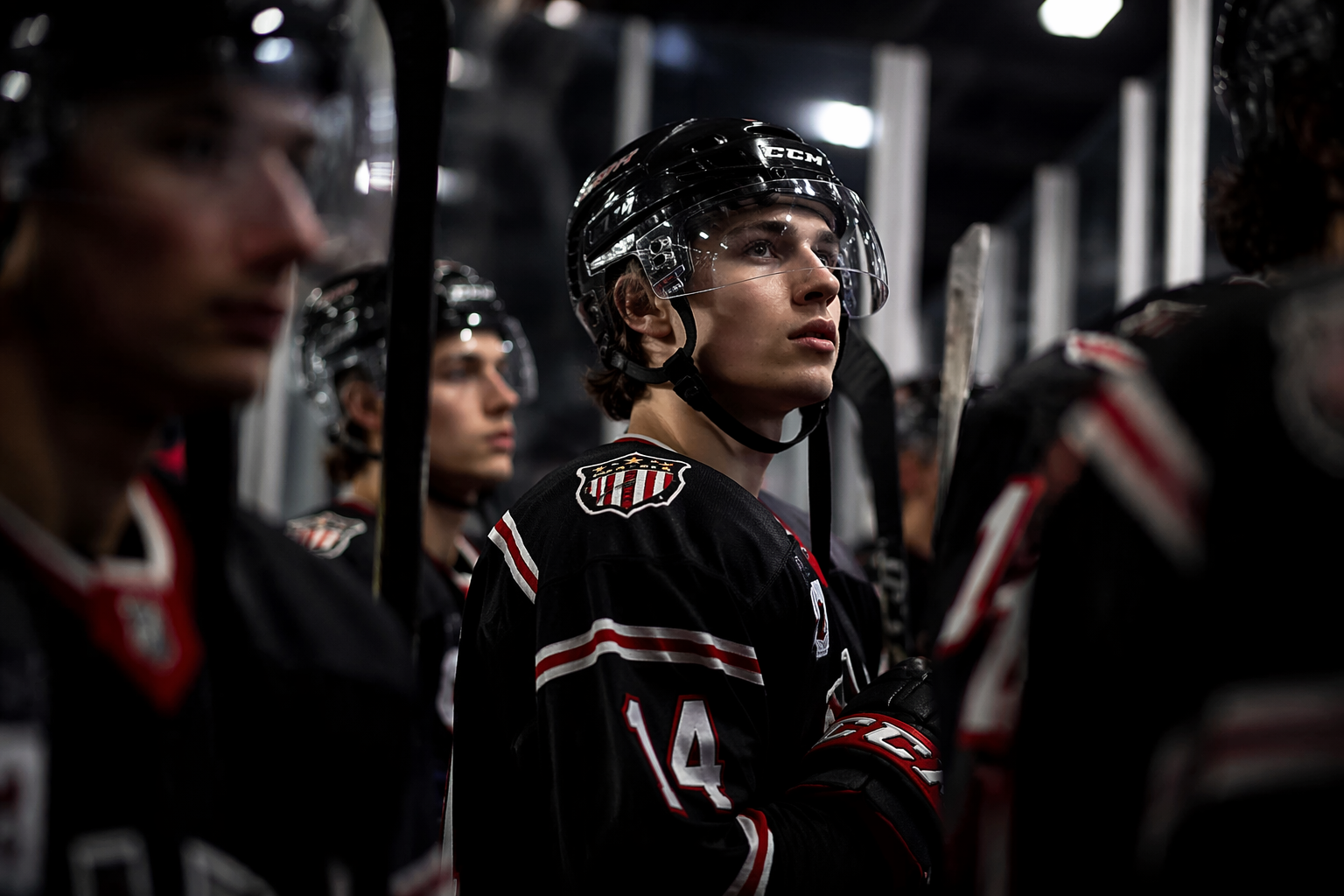
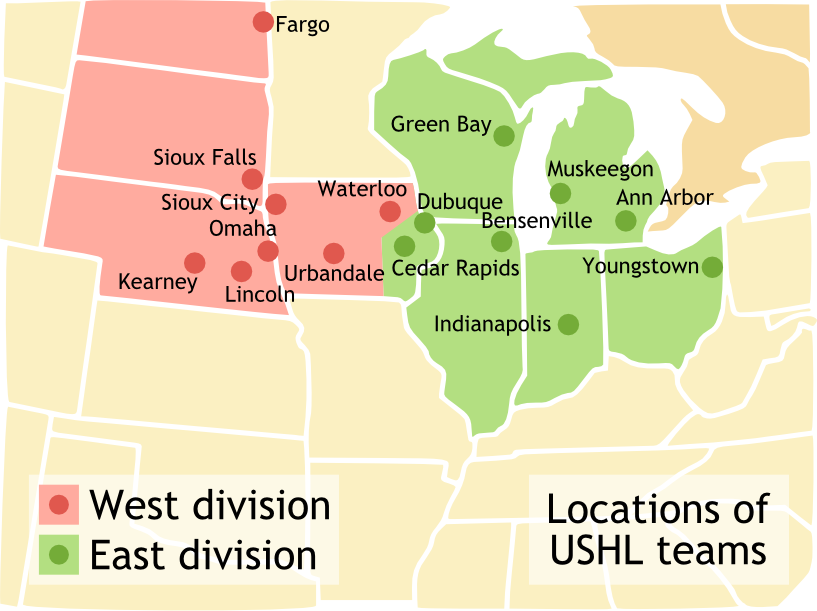
The USHL’s roots go back to 1947, when it began as the American Amateur Hockey League and started play in the 1947-48 season. Today it is a 16-team league spread across the Midwest and Great Plains, which gives it a wide footprint without losing the tight, development-first structure that defines it.
What separates the USHL from other junior options is not just the logo on the jersey. The league’s Declaration of Excellence with the NHL and USA Hockey lays out a player-first model built around a 2:1 practice-to-game ratio and a schedule in which 92% of games are played on weekends. That leaves real room for training, recovery and schoolwork during the week, instead of turning every month into a travel grind.
The development package goes well beyond ice time:
• strength and conditioning • recovery work • wellness and mental-health support • personalized academic planning and tutoring • unified nutrition and performance resources • stronger officiating, safety and game-operations standards
That is not window dressing. It is a deliberately engineered environment for players who are still growing, still learning and still trying to handle a college-level workload while playing high-end hockey.
Why college coaches keep watching
The USHL’s value shows up in the roster sheets. During the 2024-25 season, USHL alumni held more than 50% of NCAA Division I roster spots, and separate college-hockey roster tracking counted more than 800 players with USHL experience on Division I rosters to start that season. That is not a one-off spike. It is what a true pipeline looks like when one league keeps feeding the next.
The pro side is strong too. The USHL says more than 25% of NHL players had USHL experience, and in 2025 the league pointed to the 2024 NHL Draft, where it had 10 first-round selections and 49 total picks. Those numbers do two jobs at once: they show scouts where the talent is, and they tell families that USHL exposure does not stop at college recruiting. The league has become a proving ground for players who can survive structure, pace and pressure at once.
That is why the league has such a firm grip on the American development conversation. Glenn Hefferan, the USHL commissioner and president, has framed the league as a long-running leader in developing talent for the highest levels of hockey. The results back that up: the college rosters are loaded with USHL alumni, and the NHL keeps drawing from the same pool.
Why the USHL is the clearest runway to college hockey
This is where the USHL separates itself from the rest of the junior ecosystem. USA Hockey’s broader junior system includes Tier II and Tier III leagues, but it singles out the USHL as the only Tier I league in the country. That makes the USHL the highest domestic junior route for players who want elite competition and a direct shot at NCAA hockey without crossing into pro territory too early.
The league’s structure also lines up with what college programs actually need. Coaches want players who can handle a schedule, stay healthy, manage schoolwork and arrive with habits already built. The USHL’s weekend-heavy slate, practice emphasis and off-ice support are designed to produce exactly that kind of player, not just a good score line on a Saturday night.
In May 2026, the NHL, USA Hockey and the USHL announced an expanded collaboration supporting the continued advancement of the Tier I junior hockey development pathway in the United States. That is an important signal. It says the USHL’s model is not just a league selling point, but part of the larger system hockey wants to protect and strengthen.
For families trying to understand the path, the formula is straightforward. The player is old enough, usually between 16 and 20, to enter a demanding environment. The league keeps amateur status intact. The schedule is built around development, not constant chaos. The college and pro numbers are already there. That is why the USHL is treated not as one option among many, but as the clearest American runway to the next level.
Sources
- [1]ushl.com
- [2]usahockey.com
- [3]oursportscentral.com