USHL’s Midwest roots shaped its modern junior hockey identity
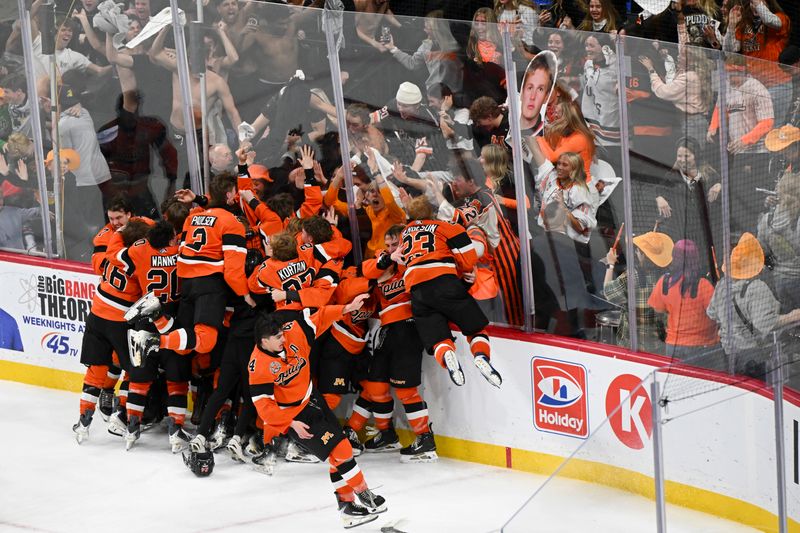
The USHL's identity was built in layers, not in a single founding moment. It began in 1947 as the American Amateur Hockey League, changed names several times, and settled on the United States Hockey League in the 1961-62 season. A merger in the 1970s joined the NHL-supported Midwest Junior Hockey League with the older semi-professional USHL, and by 1976-77 the two circuits were even sharing an interlocking schedule before the league became all-junior after 1978-79.
From Midwest senior hockey to modern junior identity
That sequence matters because it explains what the league used to be and what it became. The earlier USHL carried the feel of a regional hockey circuit rooted in the Midwest, with a structure that still reflected semi-pro and senior hockey traditions. The modern USHL, by contrast, is built around 16-to-20-year-old players, and the shift from older, mixed-purpose hockey to a pure development model changed everything about how teams recruit, how families evaluate a roster spot, and how fans understand a winning season.
USA Hockey now places the USHL inside the junior-hockey system for players ages 16 to 20, and the organization says junior hockey is meant to prepare players for advancement to collegiate or professional hockey. That makes the USHL the top rung of the domestic junior ladder, because USA Hockey identifies it as the only Tier I junior hockey league in the United States, with the North American Hockey League as the only Tier II league and the North American 3 Hockey League as Tier III. The league itself says its 16 member clubs are committed to being the world's leading junior hockey league for 16-to-20-year-old players.
Why Tier I status changes the league’s purpose
That Tier I label is not just a ranking, it defines the business of the league. A USHL season is judged by more than wins and losses because its real product is advancement, whether that means NCAA Division I hockey, NHL draft positioning, or direct professional exposure. For players and families, that creates a clear value proposition: the league is not a finishing school, but a launch point.
USHL commissioner Glenn Hefferan has framed the league's schedule, standards, and partnerships with the NHL and USA Hockey as tools designed to support each athlete's progression at the right pace. That approach fits the league's modern role. The USHL is still operating inside a tradition-heavy sport, but its competitive edge now comes from structure, age-appropriate development, and the credibility that comes with being the only Tier I junior option in the country.
The pipeline is the proof
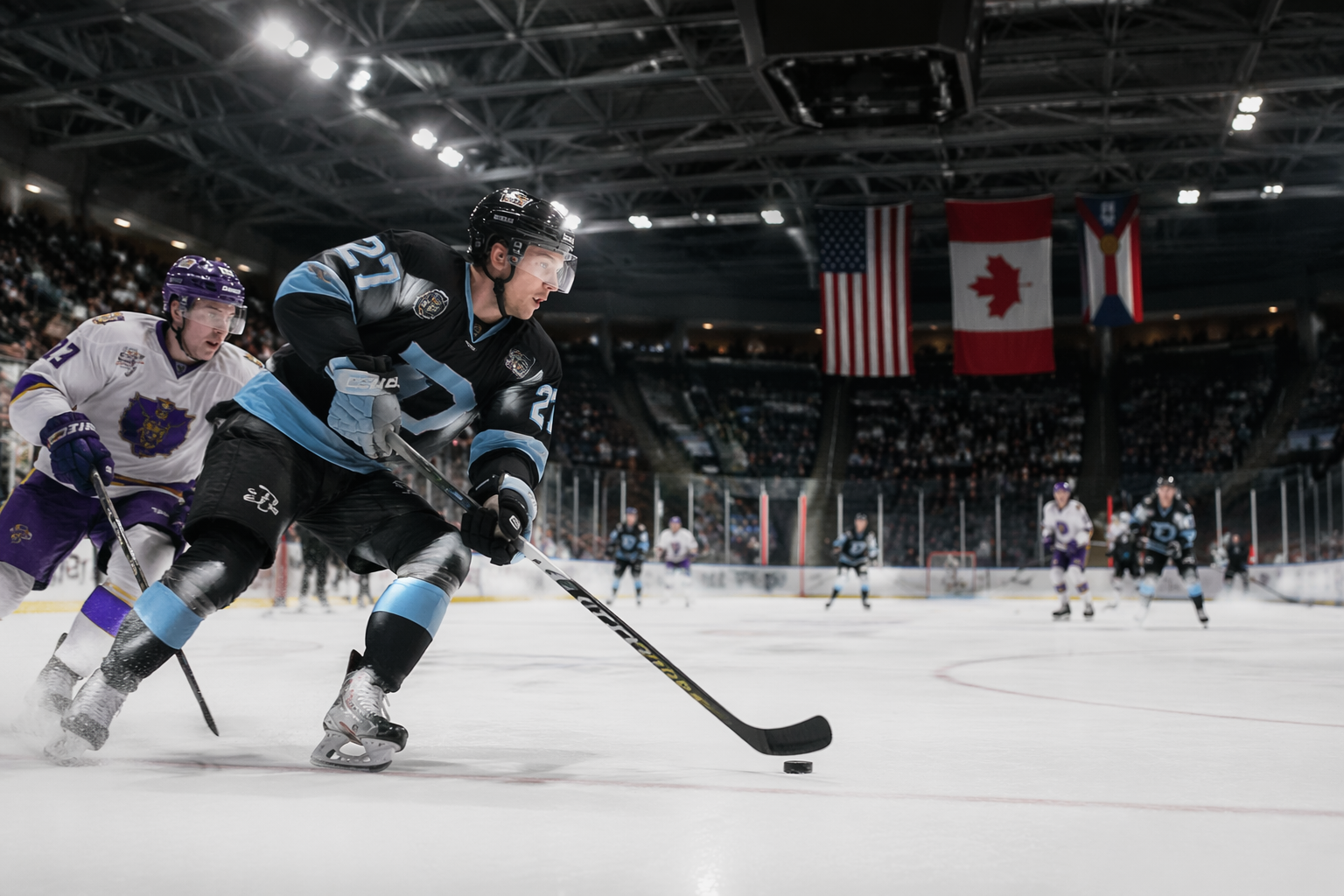
The strongest argument for the league's modern identity sits in the numbers. During the 2024-25 season, USHL alumni held more than half of NCAA Division I men's hockey roster spots, and more than 195 alumni were listed on NHL rosters at the start of that season. The league also says more than 25 percent of NHL players had USHL experience, which places its reach well beyond the junior level and deep into the sport's highest professional tier.
The 2024 NHL Draft sharpened that picture even further. The USHL produced 10 first-round selections and 49 total picks, which it says was the most draft choices by any junior hockey league since 2012. Its 2024 first-round total tied the league record set in 2016, and the league has now posted multiple first-round picks in 16 consecutive years and at least one first-round pick in 20 straight years. Those are not just development milestones, they are the league's public proof of trust from NHL front offices and NCAA programs alike.
What the modern USHL means beyond the Midwest
The league's geography is widening even as its roots remain visible. In June 2026, the USHL said it signed a memorandum of understanding to explore member clubs in Arizona, California, and Nevada, a notable step for a circuit that still carries the Midwest in its DNA. That move shows how the league's brand has become portable: the name may have been born in the center of the country, but its development model now has enough weight to travel.
The broader system is evolving around the same logic. USA Hockey's new Development League is intended to enhance the national pathway by preparing players to transition into Tier I and Tier II junior hockey, and it is scheduled to begin play in Fall 2027. USA Hockey and the USHL also announced expanded support for Tier I player development in May 2026, reinforcing the idea that the league sits at the center of how elite American junior hockey is being organized.
The modern USHL still feels like a league with old bones, and that is part of its appeal. Its name changes, merger history, and late-1970s break from semi-pro hockey explain why it can sound traditional while functioning like a high-end development machine. For players, it is a bridge to college and pro hockey; for families, it is the clearest Tier I path in the United States; for fans, it is the league where Midwest hockey history now meets the sport's future.
Sources
- [1]hockeydb.com
- [2]usahockey.com
- [3]ushl.com