USHL’s player-first model drives development, health for top prospects
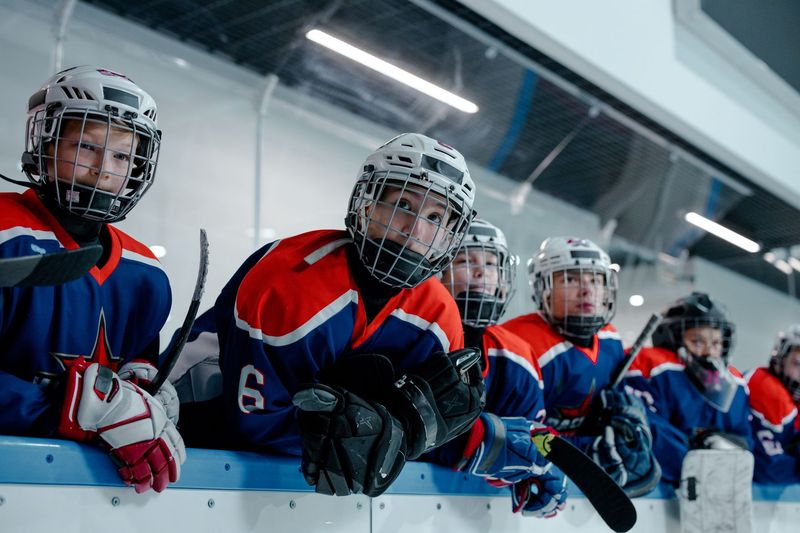
The United States Hockey League sells wins, draft picks, and college commitments. The stronger story is what happens between those milestones: a Tier I system built to keep teenage players healthier, more supported, and better prepared for the next level. That is why the USHL’s partnership with USA Hockey and the NHL matters so much, and why families keep circling this league when they choose a development path.
Where the USHL fits in junior hockey
USA Hockey’s junior structure puts the USHL at the top of the American ladder. Junior hockey in the United States serves players ages 16 to 20, and the USHL is the only Tier I junior league in the country. USA Hockey also identifies the NAHL as the only Tier II league and the NA3HL as the only Tier III league, which makes the USHL the clear benchmark for the highest level of junior development in the U.S.
That matters because Tier I is not just a label. It sets the standard for the way elite teenagers are trained, monitored, and pushed toward NCAA and NHL opportunities. The USHL says its development ladder is built to move players in that direction, and its own pitch is straightforward: it is a premier pathway to NCAA Division I college hockey.
The partnership is the point, not the backdrop
This model did not appear overnight. On June 22, 2017, USA Hockey announced an NHL-USHL partnership as a multi-year pact aimed at maximizing developmental and business opportunities across the country. That was the first clear sign that the league was being folded into a broader American hockey framework instead of operating as a silo.
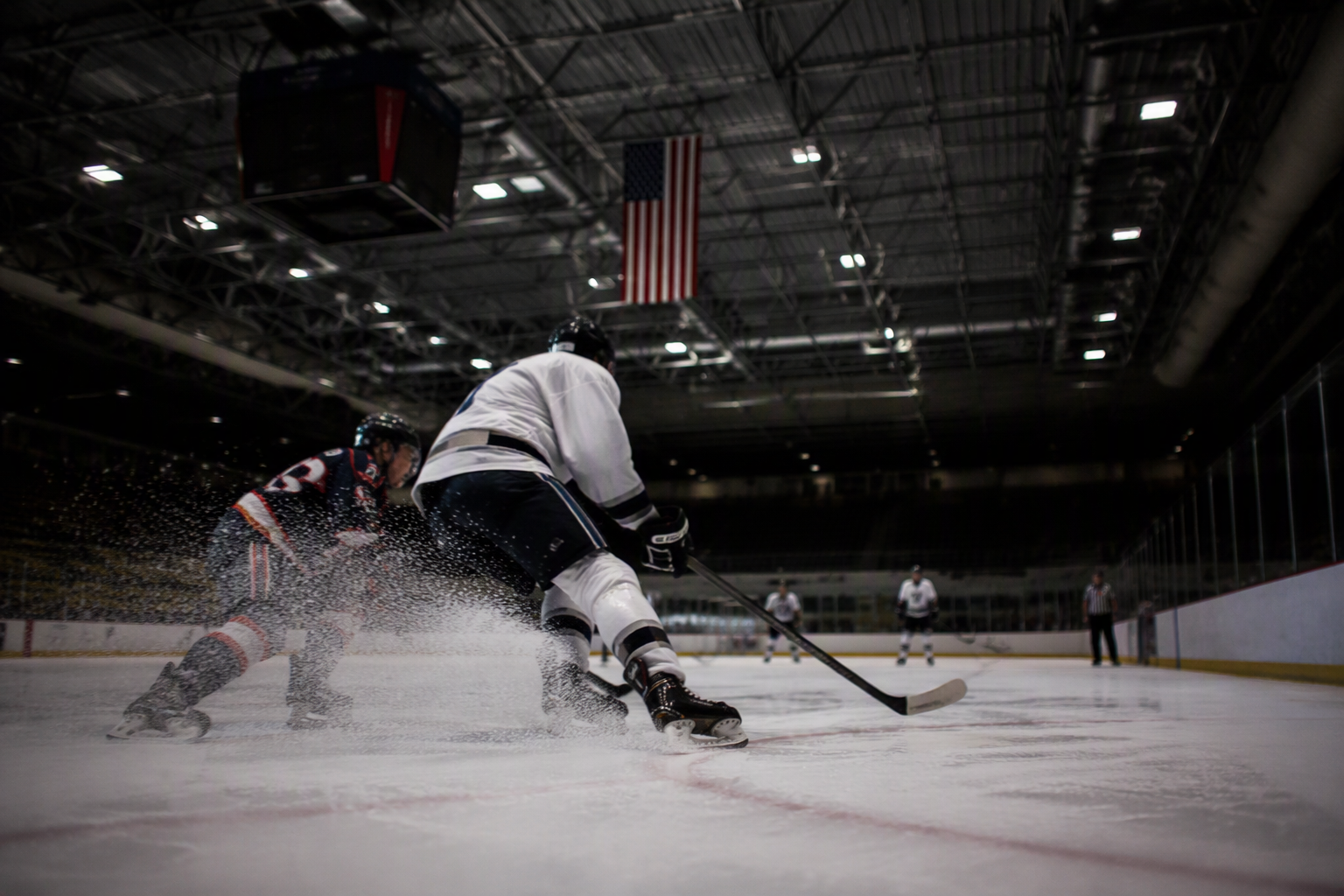
The next major step came on April 12, 2025, when the USHL announced a partnership with the NHL and USA Hockey to launch the Declaration of Excellence. USA Hockey followed with a September 19, 2025 piece focused on how that declaration allowed the USHL to further focus on player health and development. Then, on May 7, 2026, in New York, the NHL, USA Hockey, and the USHL announced an expanded collaboration supporting the continued advancement of the Tier I junior hockey development pathway in the United States.
That chain of announcements tells you what the league is trying to be: not just a place where prospects chase stats, but a development environment aligned with the sport’s biggest governing and professional bodies. Glenn Hefferan has framed that player-first approach as what separates the USHL from other junior leagues, and the league’s message is consistent across every one of these milestones.
What player-first means when the bus leaves the rink
The phrase sounds clean in a press release, but the value shows up in ordinary details. USHL players are still in the middle of physical growth, learning how to handle travel, recovery, nutrition, school demands, and the stress of being watched by scouts every night. A league that treats them like finished products misses the point.
The USHL’s standard player development agreement puts concrete support around that reality. It was reported to enhance academic support, strength and performance resources, host family housing, mental wellness services, and coaching. That is not window dressing. Academic support keeps players eligible and organized. Host families create stability away from home. Mental wellness services matter because pressure piles up fast when a teenager is balancing school, ice time, and the noise around his future.
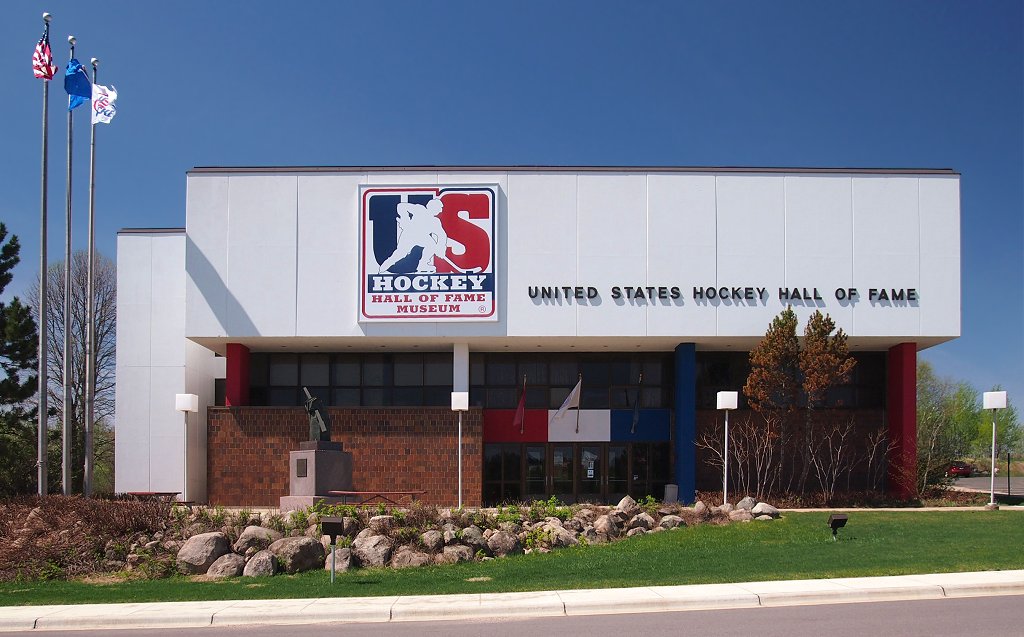
The real difference from older junior-hockey norms is that the league is trying to reduce the amount of unnecessary friction around development. Instead of asking players to survive chaos and call it toughness, the USHL is building a framework that protects the development window. That is a better bet for elite prospects, and a smarter one for the colleges and NHL clubs evaluating them.
Health and safety are part of the development plan
USA Hockey’s player safety resources make the bigger philosophy plain. Its safety and health materials include concussion information, emergency response guidance, neck laceration protectors, and substance abuse prevention. That is the infrastructure families want to know exists before a teenager gets on the ice for a full junior season.
In a league where the pace is high and the competition is unforgiving, health support is not secondary. It is part of the route to better hockey. A player who misses fewer games, recovers properly, and has consistent access to medical and mental support is more likely to develop on schedule. For prospects, that means more reps, better habits, and less drift in a critical age range.
The USHL’s player-first model also fits with the way USA Hockey talks about development more broadly. The American Development Model has long pushed developmentally appropriate training and long-term athlete growth. The USHL sits at the sharp end of that philosophy, where the consequences are more immediate because the players are older, the schedule is heavier, and the jump to NCAA hockey is right in front of them.
Why NHL readiness looks different here
The league is not trying to manufacture adults in a hurry. It is trying to produce players who can handle the jump to college hockey and, for the best of them, the NHL. That is why the NHL relationship matters so much. NHL scouts are already evaluating these players, and the league’s standards are shaped with that reality in mind.
Bill Daly’s role in the expanded 2026 announcement underscores that the NHL sees value in the pathway, not just the prospects. Pat Kelleher’s involvement reflects USA Hockey’s broader focus on safety and growth, while Hefferan represents the league’s competitive and developmental side. Together, those roles point to a model that treats talent as something to be nurtured, not mined.
For families, the difference is practical. The USHL offers elite competition, but it also offers structure: a league where academics, strength work, recovery, housing, and mental wellness are part of the same conversation as ice time and draft stock. That is why the USHL has become the centerpiece of American junior hockey. Its best players do not just leave with better numbers. They leave with more of the support system intact, and that can change everything about what comes next.
Sources
- [1]usahockey.com
- [2]ushl.com
- [3]media.nhl.com
- [4]kvue.com