USL Championship highlights jaw-dropping saves from crucial Cup round
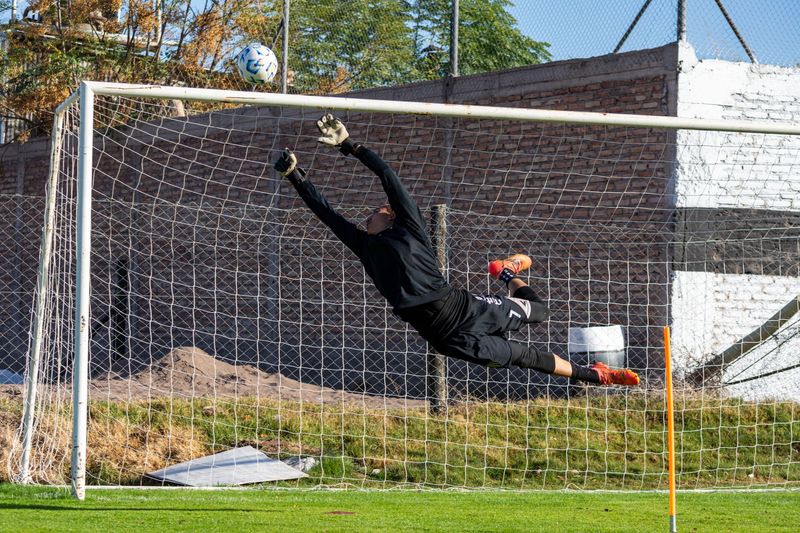
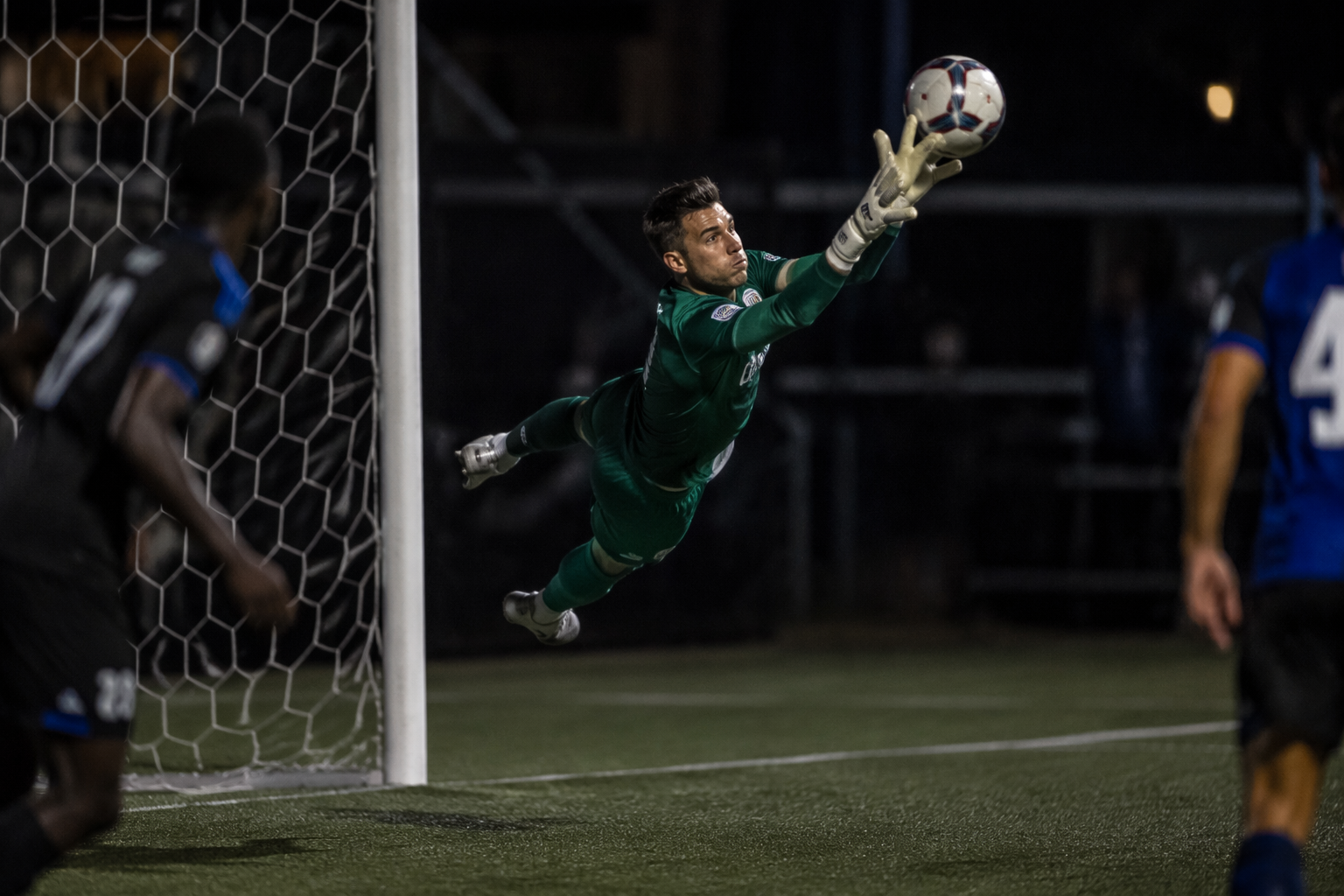
Tristan Stephani’s stop for the New York Cosmos won the Round 4 Save of the Round with 54% of the vote, turning one keeper’s intervention into the defining defensive moment of the USL Cup’s last stretch of group play. The award put a single save ahead of the scoreline itself, and it arrived at the exact point when every result was shaping the knockout bracket.
The Round 4 feature, posted July 14 at 4 p.m. EDT, described the final games before the knockout stage as producing “a multitude of jaw-dropping saves.” That framing fit a round in which one reflex stop could preserve a point, protect a narrow lead or keep a club alive on tiebreakers. Voting stayed open through Thursday, July 16 at midnight ET, giving fans a short window to weigh the saves that mattered most under pressure.
That pressure is built into the 2026 Prinx Tires USL Cup. The United Soccer League announced the event on December 16, 2025, with 43 clubs across USL Championship and USL League One set to kick off the tournament on April 25. In the standings, goals scored serve as a key tiebreaker for teams level on points, and the table tracks who has clinched a group, who has secured a wild-card spot, who has locked home-field advantage and who has been eliminated. In that setup, a goalkeeper’s hands can be as decisive as a striker’s finish.
Round 4 also followed a Round 3 that had already underscored how much elite goalkeeping has shaped the competition. That earlier save post called the third round a “record-equaling performance” and highlighted brilliant stops across 18 games. The recap show after that round said the first two knockout-stage tickets went to the Tampa Bay Rowdies and Colorado Springs Switchbacks FC, each with three wins out of three, which only raised the stakes for the clubs still fighting to stay on the right side of the bracket.
Stephani’s win gave the Cup’s save competition a clear face and a clear margin, and it reinforced how the tournament has been defined by more than attacking output. In a competition designed to push goals and accelerate group-stage decisions, the most important play in Round 4 was the one that denied a goal at the other end.