USL Championship owners approve promotion and relegation system
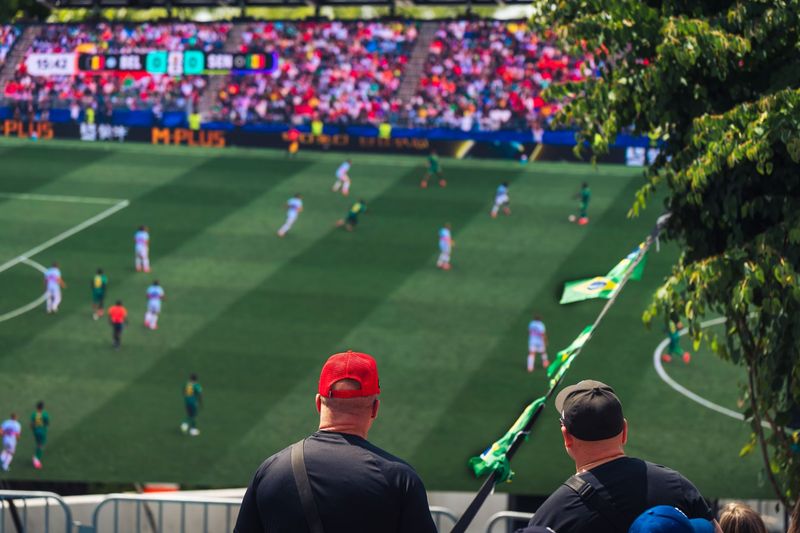
A supermajority of United Soccer League owners voted to add promotion and relegation, a March 19, 2025 decision that pushed the USL Championship into a new three-tier men’s professional system and made the league the first professional sports property in the United States to adopt the model. For a competition already sanctioned by U.S. Soccer as a Division II league, the move changed more than the ladder on paper. It changed what every point, every roster decision and every facility plan could mean.
The club-level consequences are immediate in principle even if the mechanics still have to be built out. In a 24-club league spread across the continental United States and reaching a population of more than 84 million, promotion and relegation would force owners to think differently about payrolls, contract guarantees, academy investment and coaching turnover. Clubs pushing for upward movement would have reason to spend more aggressively on depth and top-end talent. Clubs trying to avoid a drop would have to decide how much risk they can carry on transfer fees, veteran salaries and stadium improvements without putting the balance sheet under strain.

That is the sharpest break from the closed-system model American soccer fans know from Major League Soccer. In MLS, the league table affects playoff positioning and home-field advantage, but not the club’s place in the structure itself. Under a pro-rel system, a late-season match in August or October could affect not only postseason position but the division a club occupies the next year. That changes fan urgency too, because a bad run can carry consequences far beyond one missed playoff berth.
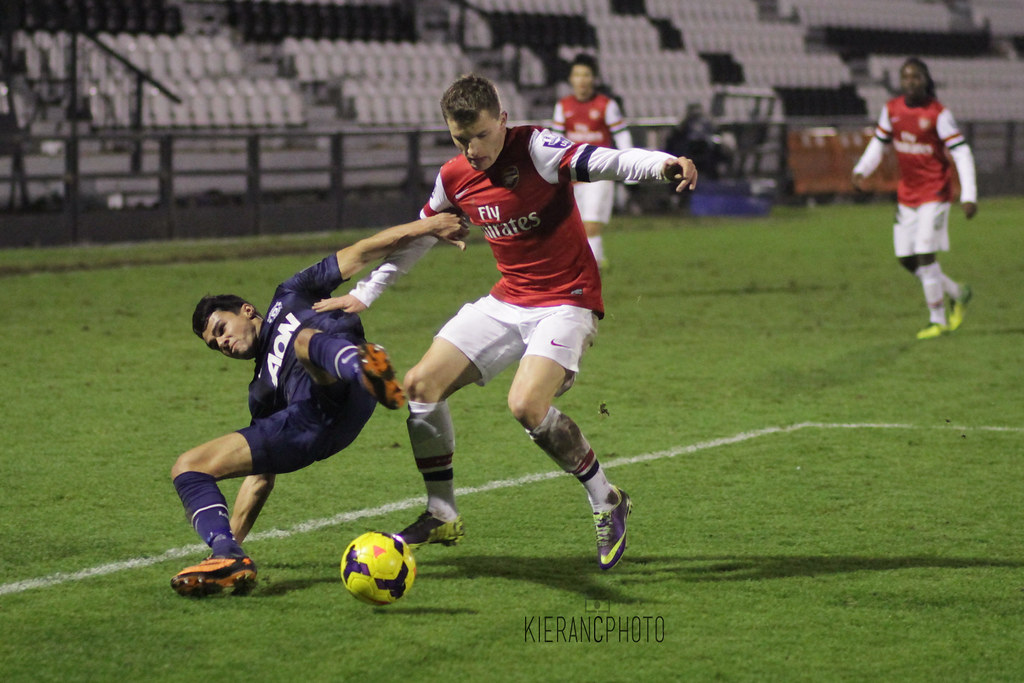
The March 2025 vote also fit a longer USL pattern. The league was granted provisional Division II status for the 2017 season and full Division II sanctioning ahead of the 2018 season. In September 2018, the USL announced that USL Championship, USL League One and USL League Two would debut in 2019 as part of a new structure. The current vote extended that overhaul from branding and competition format into league mobility itself.

USL president Paul McDonough had already signaled that promotion and relegation was likely in U.S. soccer by 2026. Two days after the vote, the league said numerous club figures had voiced support for the change, underscoring how many ownership groups were willing to trade some security for the upside of a system that rewards ambition. Clubs with deeper pockets, stronger facilities and the patience to build across multiple seasons are positioned to gain first. Clubs with thinner margins face a much harder calculation.
Sources
- [1]uslchampionship.com
- [2]uslsoccer.com
- [3]theguardian.com
- [4]reuters.com
- [5]espn.com
- [6]youtube.com