USL Championship playoff drama begins with Orlando City’s wild 2011 final
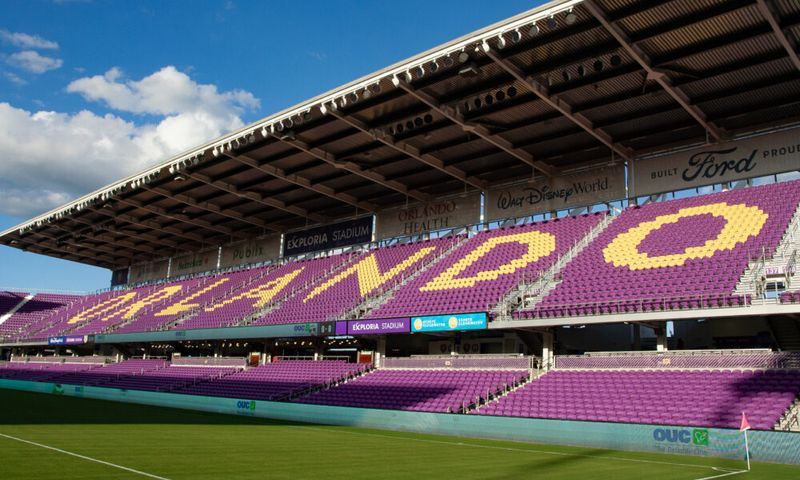
Orlando City SC’s 2011 final did more than crown a champion. It gave the USL Championship one of its defining images: a playoff game that kept changing shape until the last possible moment, then still refused to end cleanly. Harrisburg City Islanders arrived after a road upset of the Rochester Rhinos, Orlando led late, and the final still needed stoppage time, extra time, and penalties to settle the trophy.
The final that became the blueprint
The league has spent years framing its postseason as a place where thrills, upsets, and comeback endings are baked into the competition’s identity. That story starts at the beginning, but the 2011 final is the clearest place to see it in one match. Orlando hosted Harrisburg in a game the league later described as arguably its most dramatic final, and the flow of the night justified every word of that label.
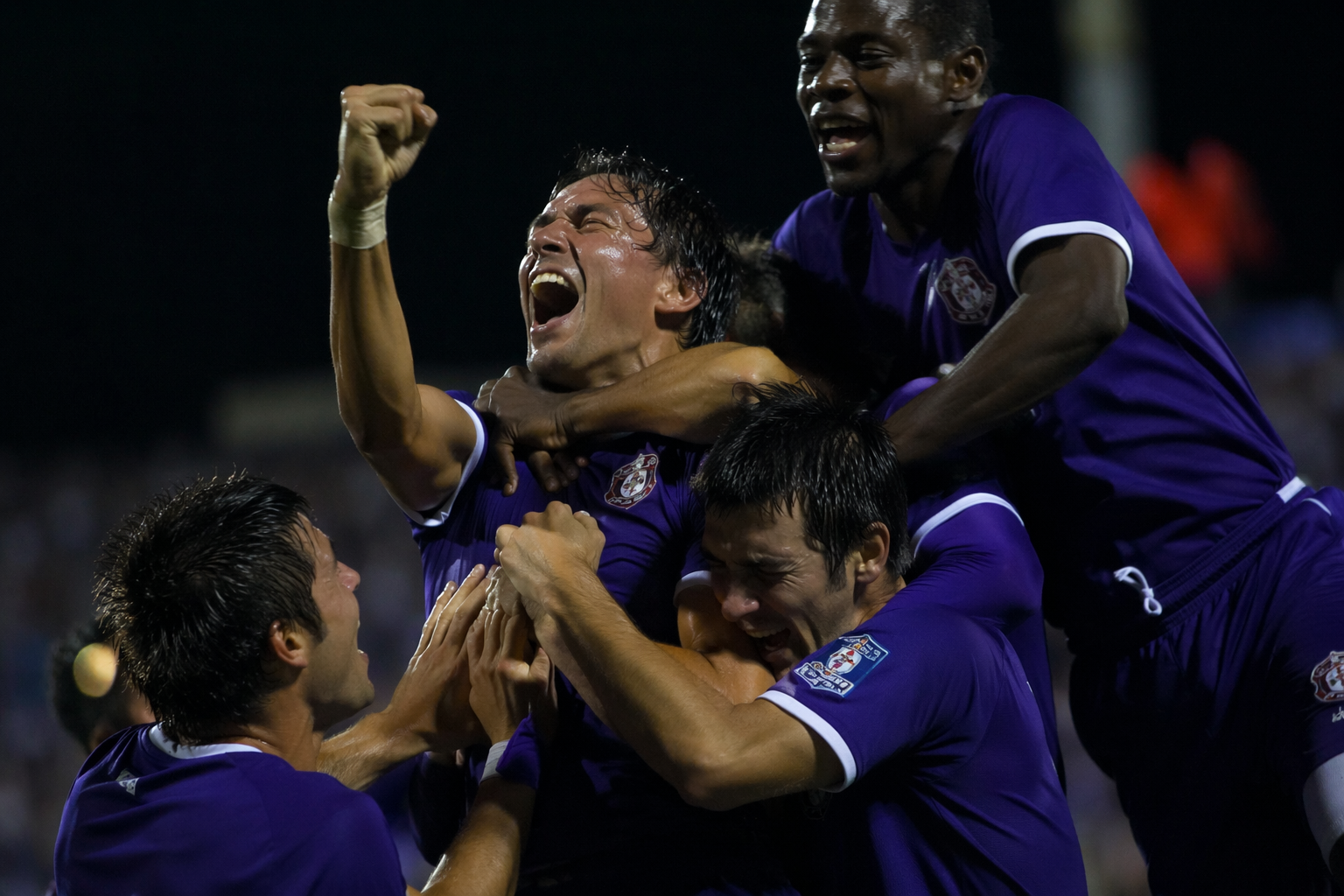
Orlando looked ready to close it out in normal time. Harrisburg would not leave quietly. The visitors found an equalizer in the fifth minute of second-half stoppage time, the kind of goal that turns a championship celebration into a new round of panic. Harrisburg then went ahead again in extra time, Orlando answered with a penalty, and the title ended up in a shootout. Backup goalkeeper Sean Kelley made the decisive saves, and Devorn Jorsling finished the job to clinch the crown.
That sequence matters because it shows how USL playoff drama usually works. It is not just a wild finish bolted onto an otherwise ordinary game. It is layered pressure: a host team thinking it has control, an underdog surviving on one road result, and then a final that keeps creating new stakes with every phase of the match.
Why this league keeps producing chaos
The Championship’s postseason has a repeatable shape, and the 2011 final is the template. Home advantage matters, but it does not sterilize the game. Instead, it often creates the kind of tension that makes the late stages even more volatile, because the home side is expected to finish the job and the road team has already proven it can survive in hostile territory.
That is why the league’s playoff history reads less like a straight line and more like a string of breaking points. The first eight finals were won by the host team, which tells you how powerful venue and crowd can be in this league. But even that stat does not mean safety or predictability. It includes comeback victories in 2011 and 2015, which means the home crowd did not always get a calm, methodical path to a trophy. It got escapes, swings, and nerve tests.
Then Real Monarchs SLC broke that pattern in 2019, and that mattered because it showed the old script was never permanent. The league’s postseason can still favor the home side, but the environment is hostile enough, and the margins thin enough, that one breakthrough can rewrite the ending. That mix of repetition and rupture is what gives the Championship its edge.
The stoppage-time habit
If you want the simplest explanation for why these games feel different, start with the clock. USL playoff soccer has a habit of staying open long after most leagues would have started thinking about the handshake line. Lucky Mkosana’s goal for the Tampa Bay Rowdies is a perfect example: he scored in the sixth minute of second-half stoppage time against Louisville City FC, forcing extra time before Tampa Bay finished the comeback.
That goal is not just a highlight. It is evidence. The Championship postseason repeatedly offers moments where a team has every reason to believe the match is over, then learns the opposite in one sequence. That keeps the pressure alive for both sides. The leading team cannot ease up. The trailing team cannot stop believing. Every clearance, every throw-in, every free kick near the box becomes part of a larger calculation about whether the game will end in regulation, go to extra time, or swing again in the final seconds.
That is the league’s identity story in practical terms. Bigger leagues can produce drama, but the Championship has made chaos part of the package because its playoff structure rewards persistence and punishes the assumption that a lead is secure. Fans do not just watch for goals. They watch for the moment the game stops behaving like a normal final.
The ingredients behind the endings
These finishes are not flukes. They come from a few repeatable ingredients that keep showing up in USL postseason soccer.
• A host team with pressure on its shoulders Home field is an advantage, but it is also a burden when the trophy is in sight. The first eight finals being won by hosts shows how often the setting favors the home side, yet the 2011 and 2015 comebacks prove that the same setting can become a trap if the game stays alive too long.
• Road teams that arrive battle-tested Harrisburg’s path through a road upset of the Rochester Rhinos gave the 2011 final an underdog edge before the opening whistle. Teams that survive on the road in this league do not arrive intimidated; they arrive convinced the environment can be beaten.
• Late-game leverage The fifth minute of second-half stoppage time in 2011 and Mkosana’s sixth-minute stoppage-time equalizer are the kind of moments that define this competition. They show how little separation there often is between a routine win and a season-changing swing.
• Extra time and penalties as part of the identity, not an exception When a final keeps moving after 90 minutes, the pressure compounds. Orlando’s 2011 title required extra time, a penalty response, and then a shootout. That is not just dramatic. It is the league showing how often its postseason pushes contenders all the way to the edge.
Orlando 2011 still sits at the center
There are other memorable endings, but Orlando’s 2011 final remains the one that explains the league best because it contains so many of the Championship’s core traits in a single night. There is the road upset that sets up the underdog story. There is the home team under pressure. There are lead changes, stoppage-time survival, extra-time swings, and the final violence of a shootout. And there is the decisive intervention from Sean Kelley before Devorn Jorsling sealed the title.
That is why the match still works as the league’s signature playoff snapshot. It is not just a famous final. It is the clearest evidence that USL Championship postseason soccer is built for late-game chaos, and that the chaos is not accidental. It is the league’s calling card.