USL Championship playoff format rewards consistency with home-field final advantage
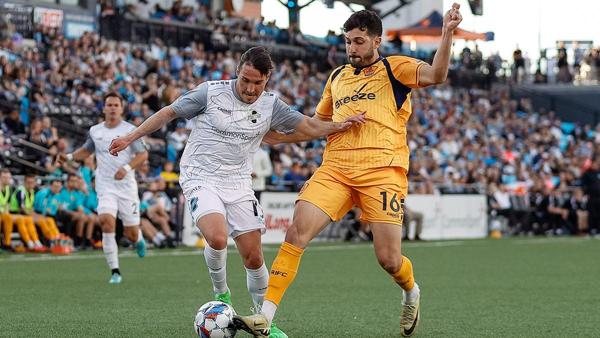
The USL Championship does not hand out a neutral-site final. Its playoff structure turns regular-season consistency into a direct prize: finish among the top eight in your conference, survive a fixed-bracket knockout run, and if you emerge as the conference champion with the best regular-season record, you host the title game. That is more than a scheduling quirk. It changes how every point matters, because the path to the trophy runs through seeding, hosting rights, and the kind of crowd pressure that only a home final can create.
How the bracket is built
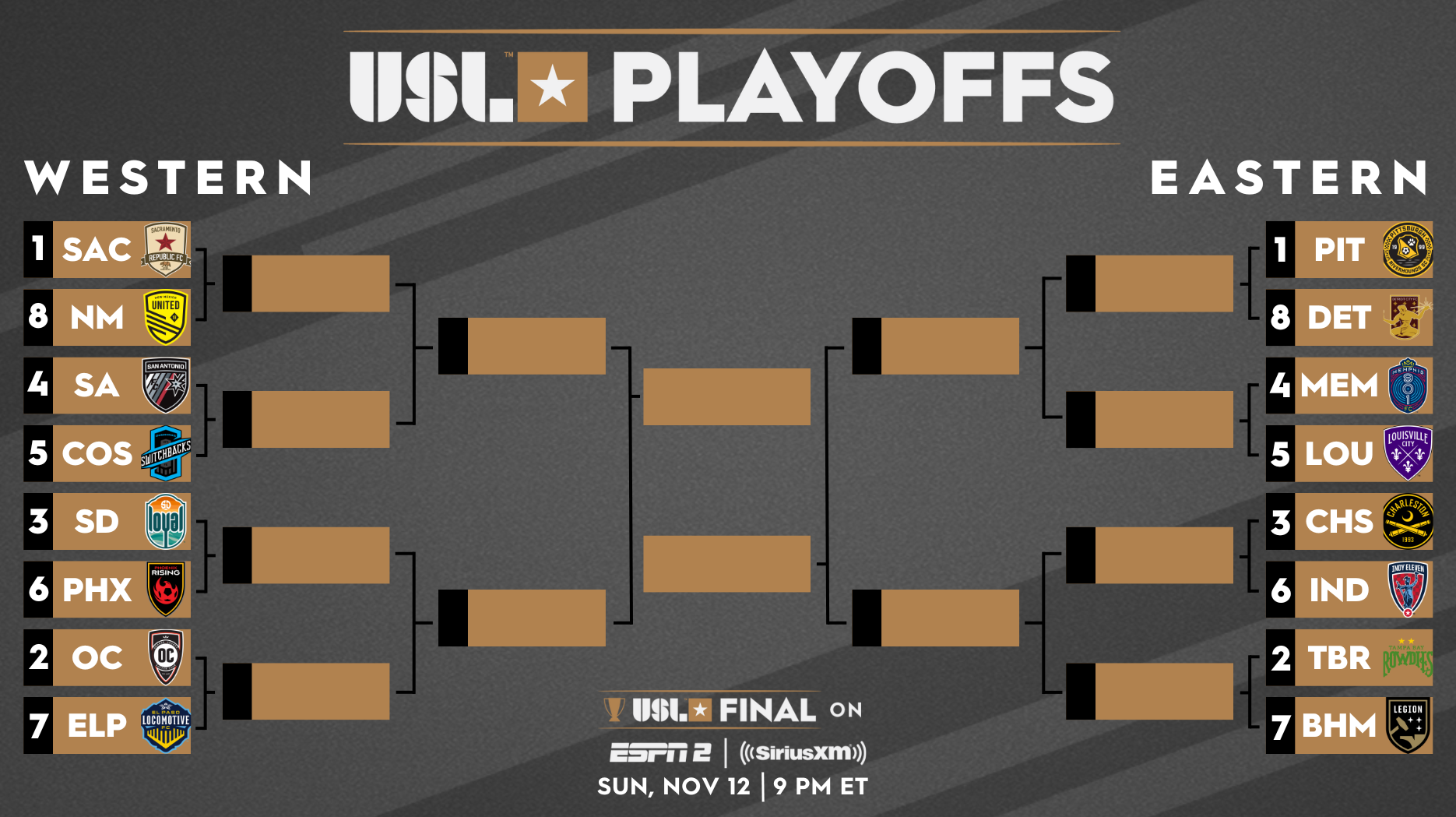
The modern postseason is designed around 16 teams, with the top eight from each conference entering the USL Championship Playoffs. From there, the bracket is fixed and single-elimination, which means one bad night ends the season and there is no path to recover later in the draw. The final then goes to the home of the conference champion with the best regular-season record, so the league is rewarding more than a hot run in October. It is rewarding the club that stacked points from March through the end of the table.
That matters because hosting the final is not symbolic. It gives the better regular-season side the final home date, the familiar surface, the routine, and a crowd that already spent months turning that stadium into its own place. In a league with long travel stretches and different conference paths, that advantage can be the difference between a sharp opening 20 minutes and a team spending half the final trying to settle its nerves.
When the home crowd owned the title game
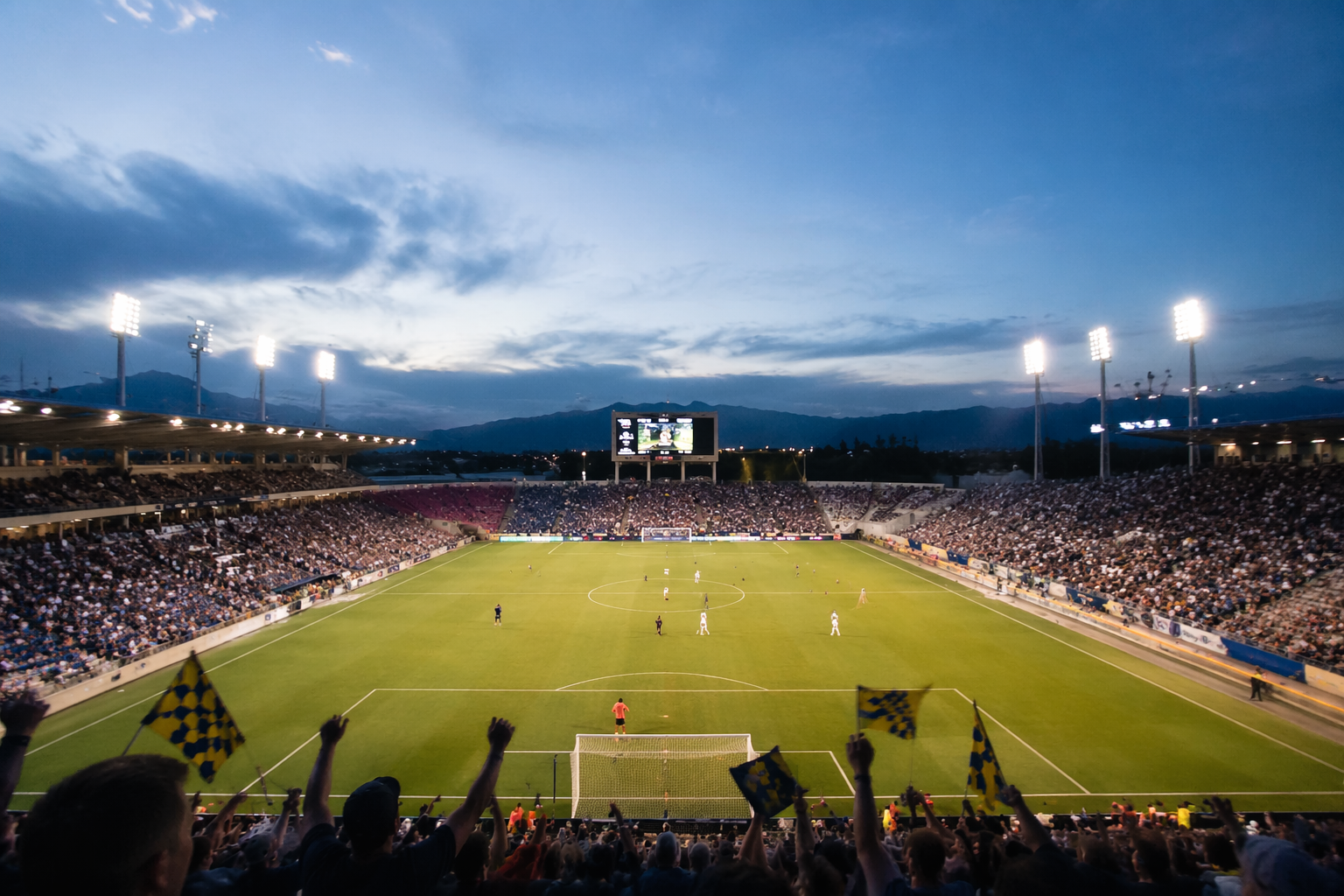
For the first eight USL Championship Finals, from 2011 through 2018, the host won every time. That is the clearest evidence that the format was doing exactly what it was built to do: reward the club that had earned the best seat at the table. The final was not being played on a level, anonymous stage. It was being played in a building where one team had already spent the season building rhythm and comfort.
Two of those home wins stand out because they were not clean, easy coronations. Orlando City SC beat Harrisburg City Islanders 3-2 on penalties after a 2-2 draw in the 2011 final at the Florida Citrus Bowl, a match that showed just how far home-field edge could stretch when the game went to the edge of chaos. Rochester Rhinos then took the 2015 final 2-1 in extra time against LA Galaxy II at Sahlen’s Stadium, capping a season the league described as a home unbeaten run. Those finals were not just wins. They were examples of how a home crowd can keep a team alive through the most stressful minutes of a season.
The conference split in 2015 added another layer. The Eastern Conference won the first four finals in that era, and Louisville City FC later stacked back-to-back titles in 2017 and 2018. By then, the pattern was hard to miss: the road to the trophy was already hard, and the final itself almost always belonged to the club that had done the most work over the full year.
The road team that finally broke it
That is why 2019 landed like a jolt. Real Monarchs SLC beat Louisville City FC 3-1 at Lynn Stadium to become the first road team ever to win the USL Championship Final. Louisville had scored in the sixth minute, which the league says was the fastest goal in the game’s history, and the home side had a sellout crowd of 7,025 behind it. None of that was enough. Erik Holt, Konrad Plewa and Noah Powder turned the match in the Monarchs’ favor and ended the host-only streak that had defined the title game for nearly a decade.
The bracket context makes that result even more instructive. Louisville City and Real Monarchs both reached the final as No. 4 seeds in their conferences, so the championship game was not a meeting of the regular-season elite that should have been slanted heavily toward one side’s season-long dominance. It was proof that the playoff structure can still produce a road upset when the visiting team handles the moment better than the host. In a league that gives the final to the better regular-season conference champion, that kind of result is the exception that tests the rule.
What it takes to win away from home
Road finals are not won by accident in this league. The visiting club has to control game state, absorb the first surge from the crowd, and keep its shape when the stadium turns loud. Real Monarchs did that in 2019, and Phoenix Rising FC did something even more demanding in 2023, becoming the first team in USL Championship Playoffs history to win four road matches in one postseason. Phoenix then finished the run with a shootout victory in the final, which also made it the first road-team championship since Orlando City in 2011.

That 2023 run matters because it pushes the conversation past a simple home-versus-road binary. A club can no longer assume that a hostile environment alone will settle the bracket. Phoenix proved that a team can survive multiple road settings, multiple game plans, and the final pressure of penalties without ever getting a home date. That is not a sign that home advantage disappeared. It is a sign that elite road execution became good enough to challenge it.
Why the advantage still matters
The most recent evidence still leans toward the host. Colorado Springs Switchbacks FC beat Rhode Island FC 3-0 in the 2024 final at Weidner Field before a sellout crowd of 8,023, a reminder that the final remains a prize reserved for the team that earned hosting rights through the regular season. The crowd size alone tells part of the story. A packed home stadium changes the tone of a final before kickoff, and Colorado Springs used that setting to turn the title match into a controlled, decisive win.
That is the lasting lesson of the USL Championship format. It rewards consistency by making the regular season matter all the way through the final whistle, but it does not lock the trophy away for the favorite. Home-field advantage has been powerful enough to define eras, yet road teams have now shown they can break the pattern with the right tactical discipline, calm in key moments, and enough quality to survive one more knockout night. In this league, the format still favors the club that earns the final at home, but the recent road breakthroughs have made the postseason less predictable and a lot more interesting.