USL Championship rebrand set the stage for league’s modern identity
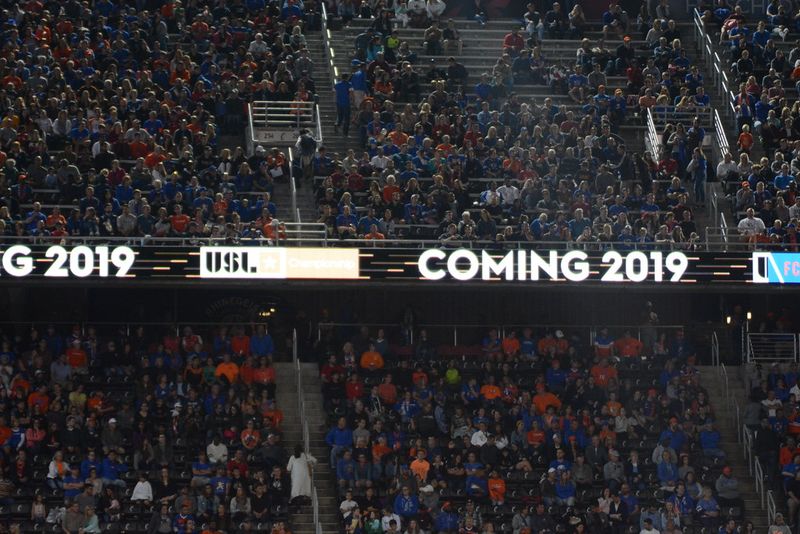
USL Championship did not arrive fully formed. The league’s modern identity was built through a series of deliberate moves, from the 2015 USL Pro name change to the Sept. 25, 2018 reset that gave the organization a clearer three-tier structure ahead of 2019. That shift changed how clubs, fans, and sponsors saw the league: not as a loose collection of teams, but as a defined Division II property with a place in the men’s professional pathway.
From USL Pro to a broader professional ladder
The first major step came on Feb. 10, 2015, when USL Pro rebranded to USL Championship. That move signaled ambition before the league had the polished architecture it would later unveil, and it helped establish Championship as the professional tier fans would come to recognize beneath Major League Soccer. The name change alone did not solve the league’s identity challenge, but it gave the second division a brand that sounded closer to a national property than a temporary stop on the way up.
The bigger shift was organizational. By 2017, the United Soccer League had already announced USL League One as a new third division for a spring 2019 launch, aimed at U.S. communities of 150,000 to 1 million people. USL’s own League One materials said those markets represented more than 75 million people without access to a local professional soccer club, which shows how the league was thinking less like a single competition and more like an ecosystem built around geography, access, and club density.
The Sept. 25, 2018 reset
The clearest turning point came on Sept. 25, 2018, when USL unveiled a new structure and brand identity for its top three leagues. The league described it as a “historic day for the evolution of soccer in North America,” and the announcement framed USL Championship, USL League One, and USL League Two as products that would all debut in the 2019 season. That was more than a logo reveal. It was an organizational reset that aligned the competition calendar, the brand architecture, and the league’s long-term presentation.
USL later said the unveiling created, for the first time, a clear three-tiered structure across its competitive leagues and a new corporate identity for the organization as a whole. That distinction mattered because it clarified the ladder beneath MLS in a way casual fans could finally understand: Championship as Division II, League One as the next professional layer, and League Two as the development bridge. USL’s headquarters were in Tampa, Florida, when the change was rolled out, underscoring that the redesign was being driven from the league office as part of a broader business strategy, not as a cosmetic marketing exercise.
The reaction showed how much the moment resonated beyond routine league branding. In a Dec. 27, 2018 follow-up, USL said the Sept. 25 unveiling had produced headlines from around the world. That kind of reach is rare for an American second division, and it revealed why the league treated the rebrand as a legitimacy play: the clearer the structure, the easier it became to explain what the league was, where it fit, and why clubs should invest in it.
Digital rollout made the reset feel real
USL did not leave the September announcement floating in the abstract. On Nov. 15, 2018, it launched new digital platforms for USL Championship, USL League One, and USL League Two, along with the organization’s corporate presence. The timing mattered because it turned the rebrand into something fans could actually touch through websites and social channels, rather than a one-day press release that disappeared into the archive.
That digital rollout also reinforced the league’s intent to speak with one voice across multiple competitions. By giving each league its own platform while tying them to a shared identity, USL made the ladder easier to navigate for supporters, players, and clubs. It was a practical step, but it carried the same message as the September reset: the league wanted to be seen as a coherent professional system, not a collection of disconnected brands.
What Championship became after the reset
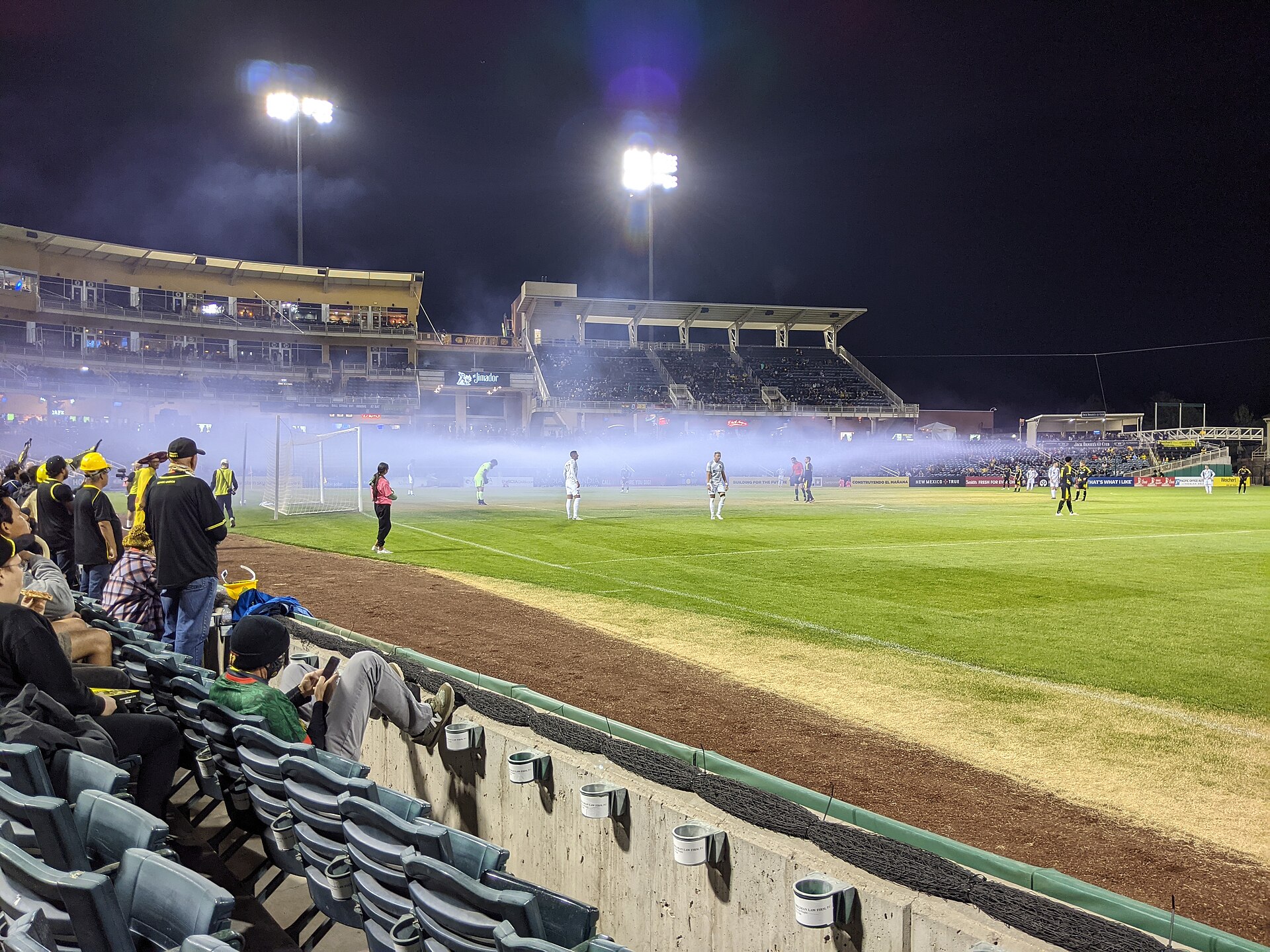
USL Championship’s official about page defines the league as a Division II professional competition sanctioned by the U.S. Soccer Federation. It also says the league includes 24 clubs across the continental United States and reaches a population of more than 84 million. Those numbers help explain why the 2018 reset mattered so much. A national footprint of that scale needs a brand that can carry across major markets, mid-size cities, and every kind of soccer-specific identity in between.
That is the real legacy of the rebrand. It gave Championship a stronger answer to the question of what it was: a sanctioned Division II league with national reach, positioned beneath MLS but above a broader lower-division ecosystem that included League One and League Two. In practical terms, that meant clubs could sell a clearer story to owners and supporters, players could see a more legible pathway, and the league could present its product as part of a formal pyramid rather than a standalone competition.
The structure kept evolving after that. In 2025, USL announced a promotion and relegation system after a supermajority of club owners voted to implement it, describing the result as an interconnected three-tiered men’s professional soccer system. That decision belongs to a later chapter, but it only makes sense because of the groundwork laid in 2018. The modern USL Championship identity was not invented in a single offseason. It was built through a sequence of choices that turned branding into structure, and structure into legitimacy.