USL Championship West stays bunched as Colorado Springs, El Paso falter

The Western Conference is tight enough that one bad week can alter the playoff map, and the numbers are telling on the teams trying to climb out of the middle. Colorado Springs Switchbacks FC and El Paso Locomotive FC both have enough talent to stay relevant, but their defining metrics point to different problems: one is a finishing issue that can still be repaired, the other is a discipline problem that keeps breaking its own momentum.
A crowded West leaves no margin
The conference table has compressed to the point that just 12 points separate the top and bottom of the West. That kind of gap matters because it turns every result into leverage, especially in a league where a short winning streak can drag a club from survival mode into the playoff picture in a matter of weeks.
Orange County SC and Monterey Bay FC have helped create that squeeze from the top end. Orange County’s 3-2 win over Las Vegas Lights FC pushed it into first place in the Western Conference, while Monterey Bay has ridden four straight wins at Cardinale Stadium, including a stoppage-time 1-0 victory over El Paso Locomotive FC. In a section of the league where volatility has become the norm, those bursts of form matter because they immediately change who controls the schedule pressure in the second half.
That is where the one-number lens becomes useful. It is not a novelty stat roundup. It is a way to read identity: which teams are genuinely strong, which are underperforming, and which flaws might be fixed before the playoffs arrive.
Colorado Springs looks strong underneath, but the finish is missing
Colorado Springs Switchbacks FC are the clearest example of a team whose profile says more than the standings do. The club has been one of the better sides in expected-goals terms, which means the process has not fallen apart. But the defining number is the one that exposes the ceiling right now: a 33.9 percent shooting accuracy rate, the lowest in the league.
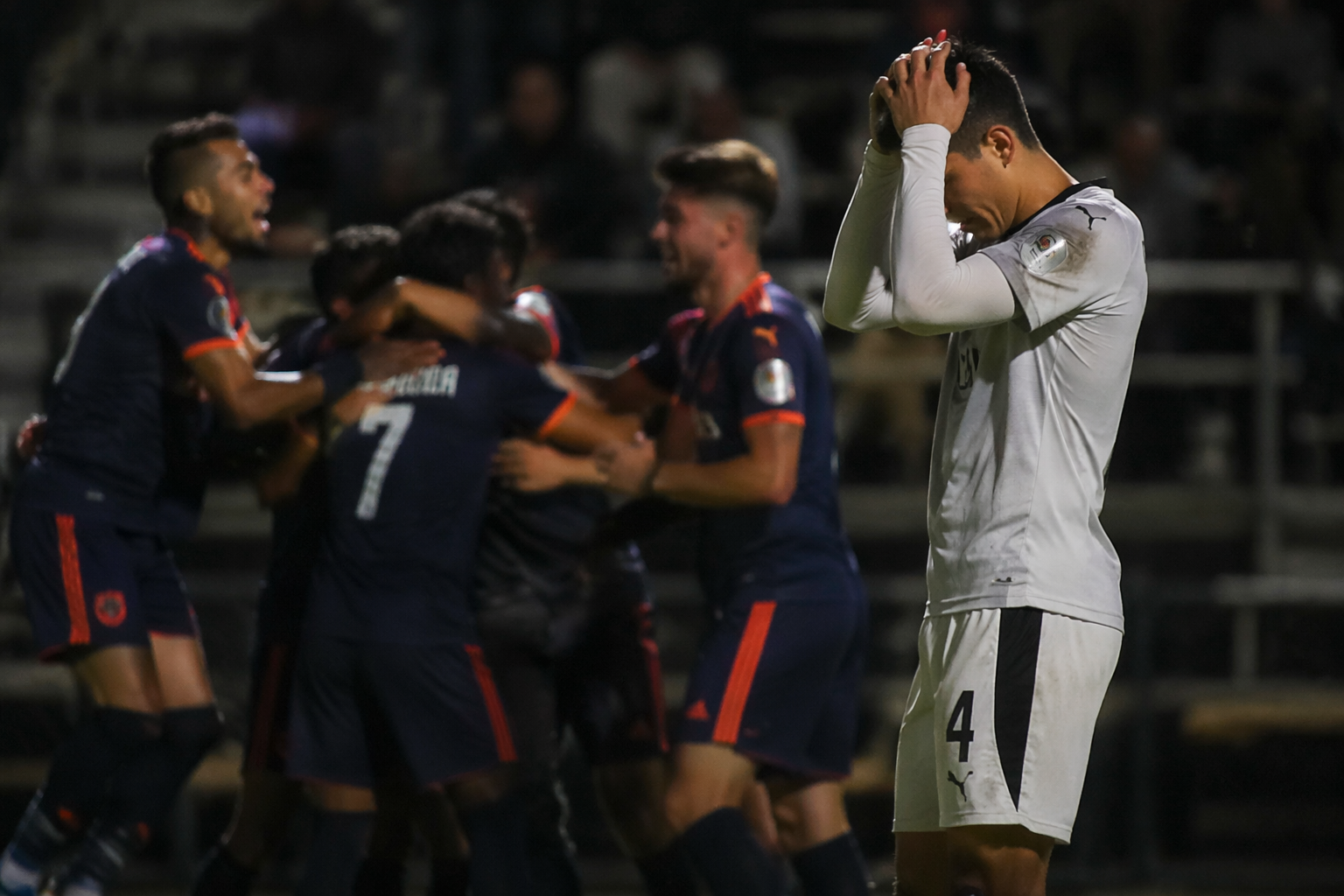
That figure explains why quality chances have not always translated into points. A team can generate enough to look competitive on the model sheet and still leak points if it cannot hit the target often enough. Colorado Springs also has zero clean sheets in the official stats archive snapshot, a blunt sign that the team has struggled to pair its attacking promise with the kind of defensive control that holds up over a long run.
The identity problem is clear. This is not a team that looks broken from top to bottom. It looks like a team whose overall level might be good enough to matter, but whose conversion rate and game management have not matched the underlying chance creation. That makes the flaw at least partially fixable. Shooting accuracy can rise, and clean sheets can follow if the structure tightens. The bigger question is whether there is enough time left in the season for those improvements to arrive before the playoff race hardens into something less forgiving.
El Paso’s number is discipline, and it is bleeding into results
El Paso Locomotive FC tells a different story, and the number that defines it is less forgiving. The club has been framed by an eight-game winless run, and an official recap says it had gone winless in its last seven league contests since beating Las Vegas Lights FC on April 4. The dry spell is bad enough on its own, but the deeper issue is how often El Paso has been cutting its own legs out from under itself.
The club’s May 30 loss to Lexington SC made that plain. El Paso fell 4-1 and finished the match with nine players, a collapse that summed up the broader problem behind the slide. The USL stats archive snapshot also lists El Paso with 24 yellow cards, and the season narrative has included five red cards. Those are not random blemishes. They are the shape of the slump.
This is the kind of number that points to a structural issue rather than a quick tactical patch. Teams can stop a finishing drought with better shot selection or a changed attacking pattern. Discipline is harder, because it touches decision-making, emotional control and match-state management. When a team keeps playing short-handed or walking the line on cards, the damage ripples beyond one match and forces the rest of the roster to cover for self-inflicted chaos.
The West’s middle is being decided by which flaws can be fixed first
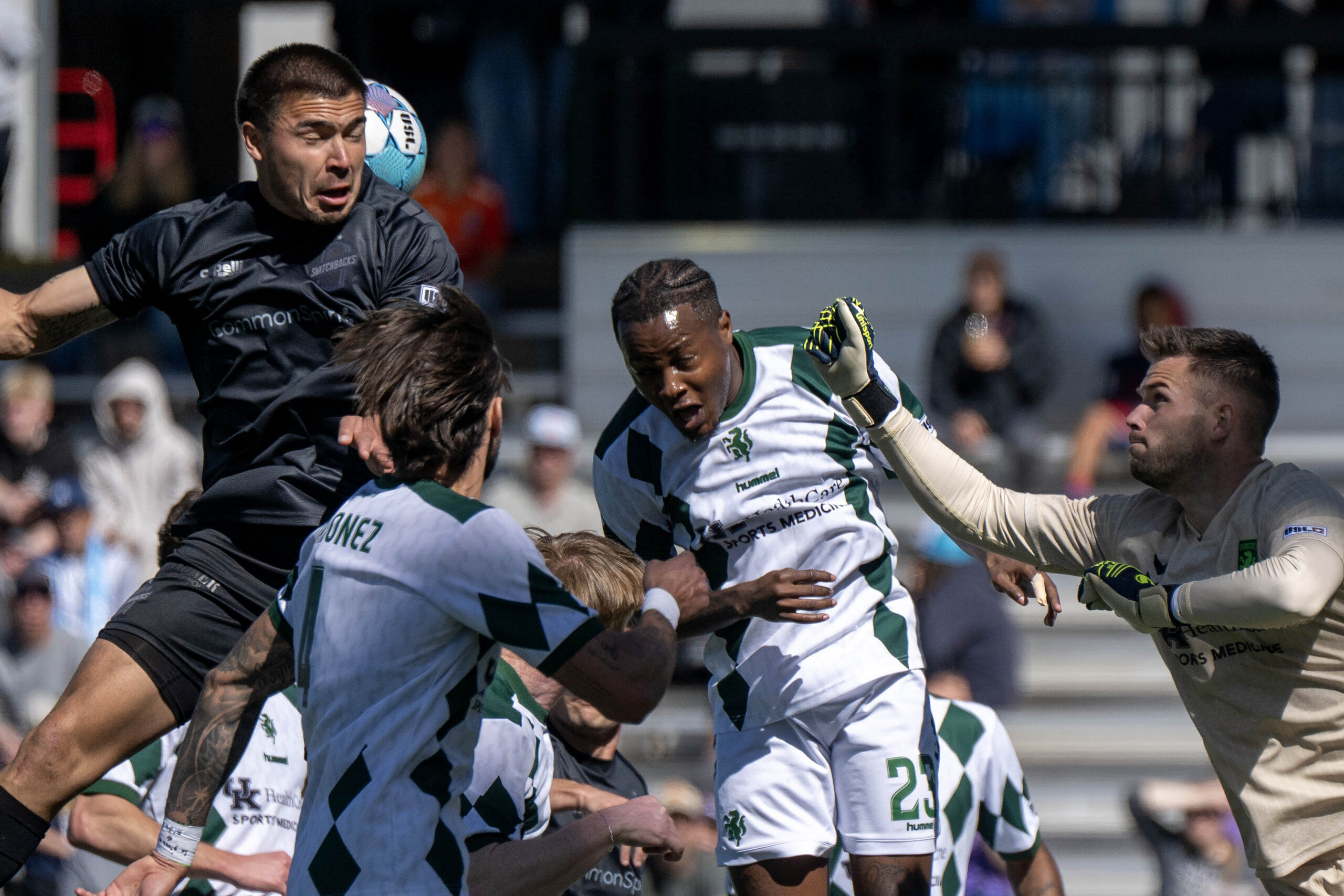
The contrast between Colorado Springs and El Paso helps explain why the West remains so bunched. The conference is not separating cleanly by raw quality. It is separating by which teams can turn decent underlying form into actual results, and which clubs keep handing away points through one persistent weakness.
Colorado Springs’ problem is measurable and, at least in theory, reversible: low shooting accuracy, no clean sheets, too many games where the process outpaces the output. That is the profile of a club that still has a path forward if the finishing sharpens and the defense stabilizes. El Paso’s profile is more volatile. Winless stretches, heavy card totals and a nine-player finish against Lexington suggest a team that is fighting its own emotional temperature as much as its opponent.
That distinction matters in a compressed conference. A side with a finishing flaw can still sprint back into the race with a clean run of results. A side with a discipline problem can keep turning winnable games into damage control. In a 12-point race, that difference can determine whether a club peaks into the playoffs or spends the second half trying to stop the bleeding.
A title race with recent history behind it
The broader stakes are higher because the 2026 West did not begin in a vacuum. The preseason outlook already framed the conference around two new arrivals and the residue of a 2025 campaign that crowned Pittsburgh Riverhounds SC as title-winner and Hartford Athletic as USL Cup champion. That backdrop raised the expectation level across the league and gave the West a sharper edge from opening day.
Now the midseason numbers are showing which clubs can live up to that standard. Orange County’s surge to first place and Monterey Bay’s run at Cardinale Stadium have pushed the top end forward, but Colorado Springs and El Paso remain the cautionary cases. Their one-number identities are not just interesting diagnostics. They are the difference between a club that can still shape the second half and one that may spend the rest of 2026 defined by the same flaw it carried into summer.