USL Championship Western Conference preview spotlights contenders and tactical questions
The Western Conference does not get the luxury of easing into 2026. The league’s 25-club format, with 12 teams in the West, leaves a narrow path from opening day on Saturday, March 7, to the regular-season finish on Saturday, October 24, and the margin gets even tighter when every club also has four Prinx Tires USL Cup group-stage matches layered into the year.
A conference built on margins
Nick Murray and John Morrissey frame the West around the pressure points that actually decide a table: who can repeat, who is still being remade, and which roster has enough ballast to survive the long swings of form. That matters because the conference rarely settles into a simple script. A club that defends cleanly, one that leans on volume in attack, and another that can turn a few young players or new signings into weekly starters can all move the board quickly once the schedule gets crowded.
That is why continuity and volatility sit side by side in this preview. Returning contenders already know how hard it is to stay on top, while retooled teams can change the shape of the race if their changes click by midsummer. In a 12-team conference, there is not much room to hide a slow start or a flawed build.
The calendar is the first stress test
The league’s 2026 schedule is built to compress decisions. The regular season runs 34 weeks and includes 375 games, with each club playing 30 league matches before the bracket opens. The top eight teams in each conference advance to the 2026 USL Championship Playoffs, which begin on the weekend of Oct. 30-Nov. 1, and the final is slated for the CBS Television Network between Nov. 20 and Nov. 22.

That structure is more than scheduling trivia. Four cup group-stage matches create extra fixture load, and the calendar already has rivalry markers and rematches baked into it, including Sporting Club Jacksonville’s first in-state meeting with the Tampa Bay Rowdies on April 4 and the July 25 rematch of the 2025 Eastern Conference Final between Pittsburgh Riverhounds SC and Rhode Island FC. Even when those games sit outside the West, they underline the same reality: the league has packed the year with checkpoints, and every one of them can tilt momentum.
What winning has looked like across the league
The clearest sign that 2026 can follow multiple scripts is what happened at the top of the league a season ago. Pittsburgh Riverhounds SC won the 2025 USL Championship title on November 22, 2025, beating FC Tulsa 5-3 in a penalty shootout after 120 scoreless minutes in front of a ONEOK Field record crowd of 9,507. Eric Dick finished that final with MVP honors, a reminder that a championship can come from a team that stays composed through a deadlock and then outlasts the room when the game turns to penalties.
Hartford Athletic gave the league a different model for silverware. On October 4, 2025, it beat Sacramento Republic FC 1-0 in the USL Jägermeister Cup final at Heart Health Park. One title came through a grind that refused to break, the other through a one-goal cup final, and together they show why the West preview is built around style and depth rather than reputation alone. There is no single template for surviving this league.
The swing factors that matter most
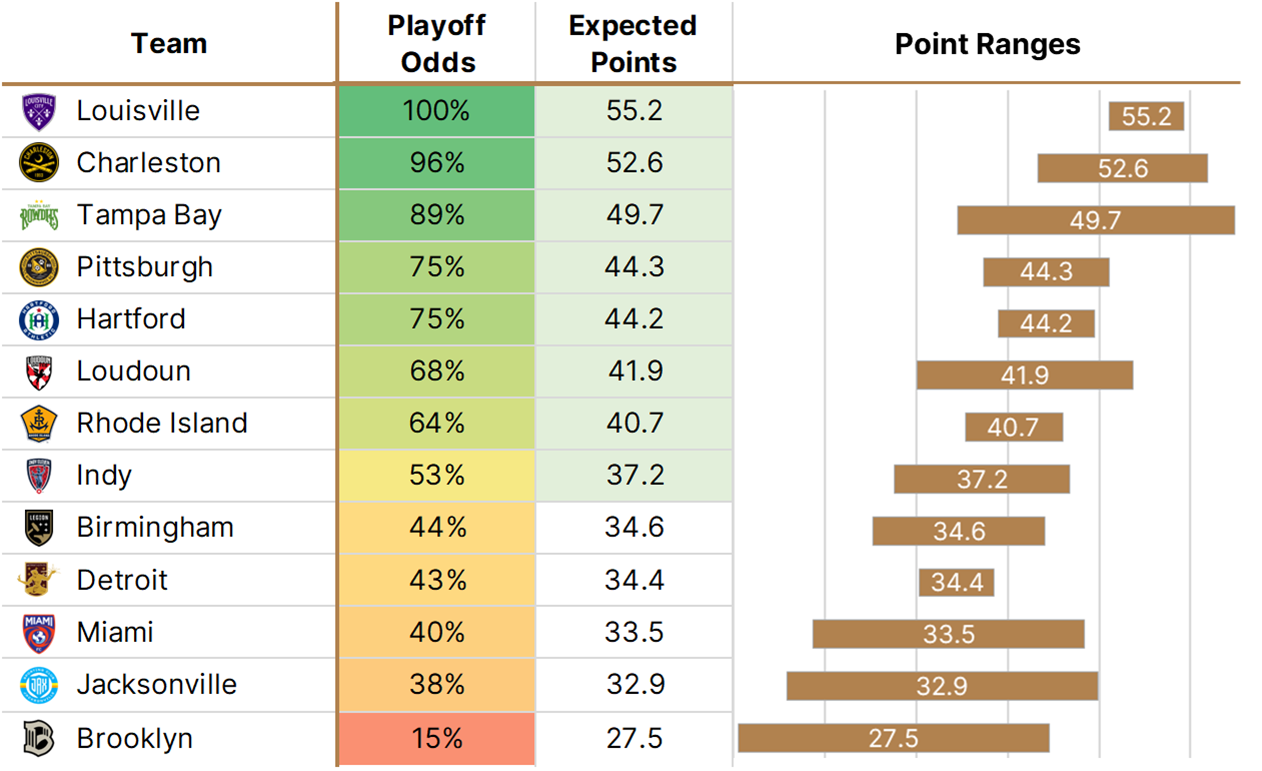
Depth is the cleanest separator in a season like this. Thirty league matches sound manageable until the cup schedule and travel pile up, and the clubs that handle those added miles with rotation, not panic, are the ones most likely to hold their level into late summer. Continuity matters just as much, because a roster that already knows its roles can turn tight road games and short rest into points instead of excuses.
New signings and young players are the other pressure point. The preview’s emphasis on projected finishes and tactical insight reflects how quickly a fresh face can change a club’s ceiling if the fit is right, especially when a team is trying to bridge the gap between a promising spring and a decisive fall. The West rewards the teams that can keep their identity intact while still getting enough from the pieces that were added after last season.
The markers that will shape the race
The season’s biggest dates tell you how the race will be judged. The regular season opens March 7, the table closes October 24, and the postseason starts almost immediately on the Oct. 30-Nov. 1 weekend, leaving little time for a late rescue. That is the kind of calendar that punishes drift and rewards clubs that know exactly who they are by the time summer turns to fall.
With the final set for late November on CBS, the league has already built a long runway to the trophy, but the West will not wait for anyone to figure itself out. The clubs that stay healthy, manage the extra cup workload, and keep their tactical identity intact are the ones most likely to be standing when the bracket opens.