USL Championship’s stable structure helps clubs thrive in U.S. Open Cup
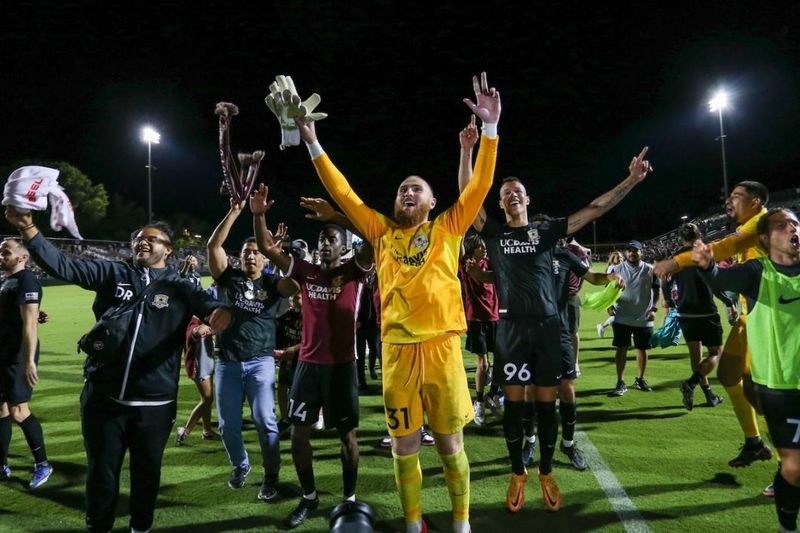
Sacrament o Republic FC’s 2-1 quarterfinal win over the LA Galaxy in 2022 and its 5-4 penalty shootout over Sporting Kansas City after 120 scoreless minutes showed the same thing Charleston Battery had already proven in 2008: USL Championship clubs do not need a perfect script to beat bigger names. They are built for the Cup’s disorder, with rosters and travel loads that force coaches to solve problems on the fly. In knockout soccer, that kind of institutional grind is an edge.
A league built to absorb pressure
The USL Championship did not grow up as a fragile, one-city project. It was formed before the 2011 season by combining two existing professional leagues, launched with 12 teams in two six-team divisions, and received Division II sanctioning from U.S. Soccer in 2017. The league now says it has 24 clubs spread across the continental United States, and that footprint matters because it creates a season built around flights, different climates and a wide variety of opponents.
That stability was the point. USL says the Championship was designed to help ensure the long-term stability of professional soccer in North America, and that idea shows up in the founding group as well. Five founding clubs had more than 100 years of operation among them, including Charleston Battery, Pittsburgh Riverhounds SC and Richmond Kickers. When a league is constructed around continuity instead of flash, its teams tend to arrive in the Open Cup with habits that hold up when the match turns messy.
The bracket gives USL clubs a real runway
The 2025 U.S. Open Cup field included 96 teams in total, the tournament’s 110th edition, and 24 of those clubs came from the USL Championship. Eight Championship teams entered in the First Round, while 16 more joined in the Third Round, and U.S. Soccer said the 16 higher-ranked clubs were selected based on last year’s regular-season results. That is not a cosmetic detail: it means the strongest USL sides are protected from early attrition, then dropped into the part of the draw where surviving lower-division opponents are already stretched.

That structure creates a very specific kind of pressure. By the time a USL Championship team enters in the Third Round, the tournament has already eliminated some of the randomness but not the tension, and the club is expected to handle a one-and-done game immediately. The result is a bracket where the league’s best teams do not just survive, they are positioned to punish fatigue, uncertainty and the small mistakes that pile up in knockout soccer.
What the chaos rewards on the field
The tactical reason USL Championship clubs thrive is simple: a league stretched across the continental United States tends to produce teams that can live without perfect conditions. Coaches spend the regular season managing travel, lineups and recovery, which builds squads that can win in more than one way. That is crucial in the Open Cup, where one red card, one deflection or one penalty miss can turn a favorite into a spectator.
That is also why game-state volatility works so well for the Championship. A lower-division side that gets the first goal can collapse a match into a sequence of decisions, clearances and set pieces instead of open-field talent comparisons. In that environment, squad depth matters as much as star power, and pragmatic coaching often beats a prettier game model. The Cup does not ask for style points; it asks whether a team can manage 30 minutes of panic, 90 minutes of pressure or 120 minutes before a shootout.
Sacramento and Charleston turned that into proof
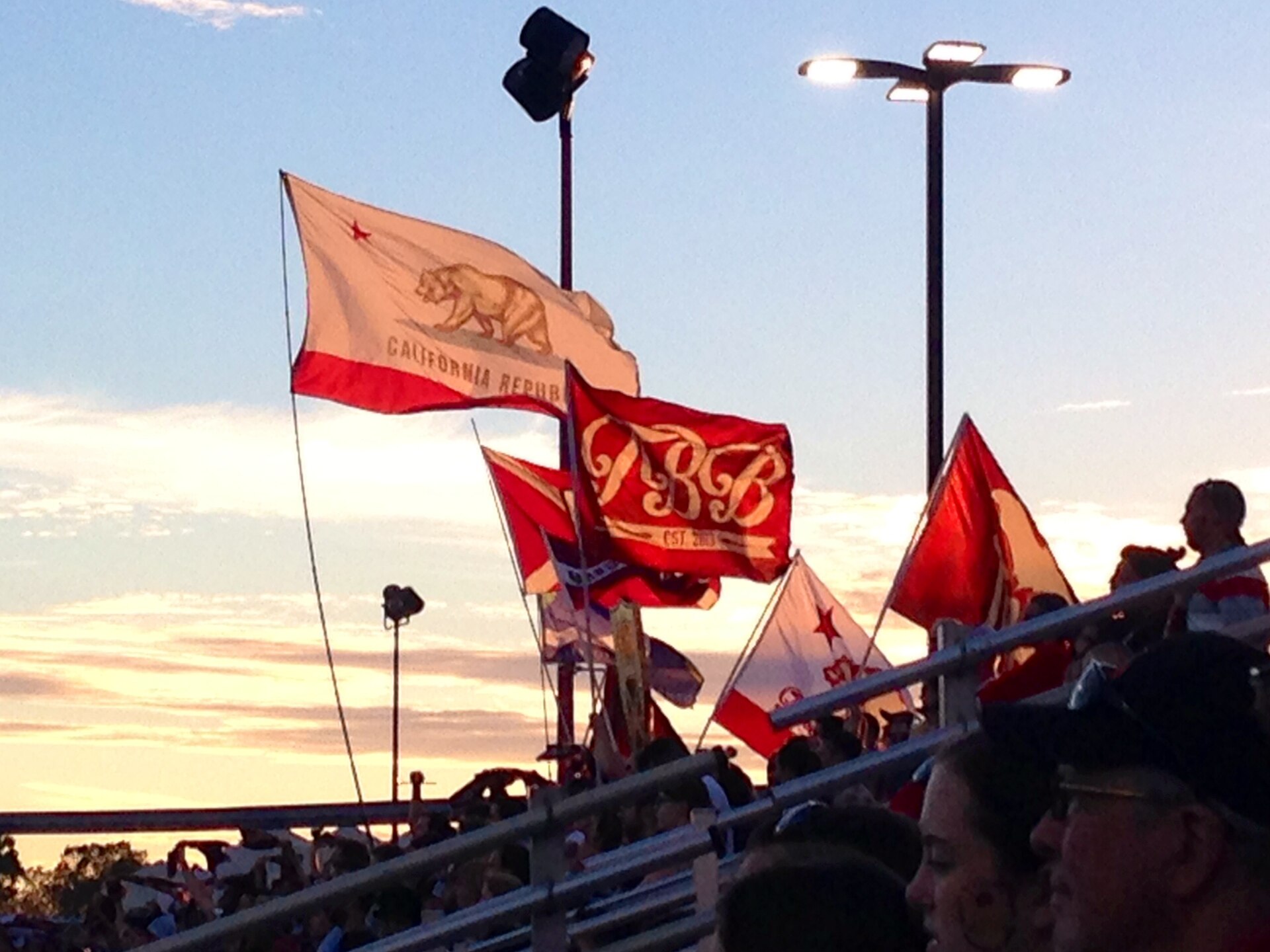
Sacramento Republic FC gave the modern example everyone remembers. Its 2022 run included a 2-1 quarterfinal win over the LA Galaxy, then a semifinal victory over Sporting Kansas City on penalties after 120 scoreless minutes. The shootout ended 5-4 before a sellout crowd of 11,569 at Heart Health Park, and the run made Sacramento the first non-MLS team to reach the Open Cup semifinal since FC Cincinnati did it while playing in the USL in 2017.
Charleston Battery showed the same blueprint in 2008, when it beat Houston Dynamo, FC Dallas and Seattle Sounders FC to reach the final. That run stood as the last time a non-MLS club made the Open Cup final until Sacramento reached it again in 2022, and the gap between those two stories says plenty about the league’s place in American soccer. These are not isolated miracles. They are evidence that a stable Championship club can absorb the emotional swing of a knockout night and keep making the next right decision.
The pattern keeps widening
The danger is no longer confined to a single flagship club. U.S. Soccer highlighted FC Tulsa, Phoenix Rising FC, Tampa Bay Rowdies and Loudoun United FC as USL Championship teams that made club history with deep 2024 Open Cup runs, which shows that the league’s threat level is broad rather than anecdotal. New Mexico United has reached the quarterfinals twice, and Detroit City has also produced recent deep runs, giving the Cup a recurring cast of USL teams that know how to stretch a tournament beyond its expected script.
That is why the Championship matters so much in the Open Cup ecosystem. It is not just a second division with a heavy schedule and a national footprint; it is a league whose structure prepares clubs for the exact kind of disorder the Cup creates. Sacramento and Charleston made the statement loud, but the real story is the repeatability behind them: in the U.S. Open Cup, USL Championship clubs keep turning chaos into a competitive advantage.
Sources
- [1]ussoccer.com
- [2]uslsoccer.com
- [3]uslchampionship.com