USL Cup guide explains 43-club path to October final
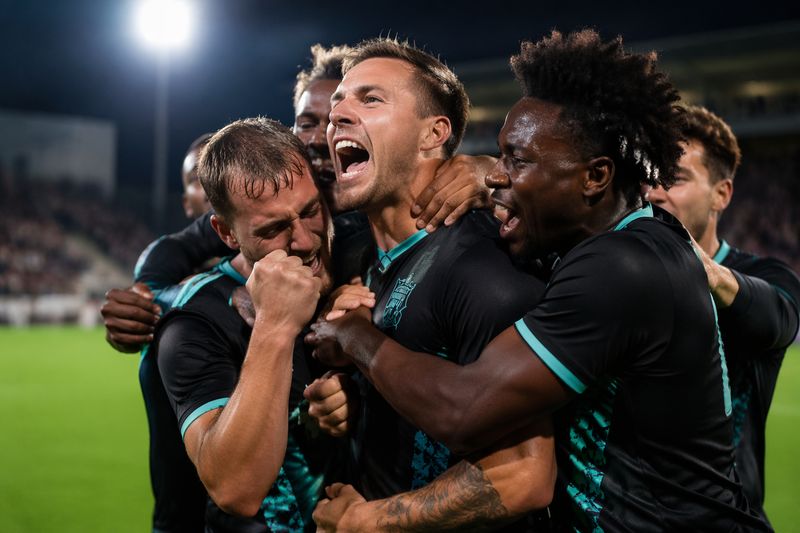
The 2026 Prinx Tires USL Cup is built to do one simple thing: make every match matter, from the first group game on April 25 to the final on October 4 at 3 p.m. ET on ESPN2. All 43 clubs across USL Championship and USL League One are in the field, which turns this from a side tournament into a league-wide chase for one trophy.
How the Cup is structured
The opening phase is spread across seven regional groups, with six groups of six teams and one group of seven. Every club plays four group-stage matches, so the standings are shaped quickly and there is very little room to drift. The group stage runs through Saturday, July 11, and that gives each team a compact runway to bank points before the bracket locks into place.
The format rewards more than survival. Matches tied after regulation go straight to a penalty-kick shootout, the shootout winner gets an extra point, and the shootout loser still takes one point for the draw. That detail changes the feel of every late game: a team that would normally protect a 0-0 or 1-1 result cannot relax, because one kick from the spot can still alter the table.
The first tiebreaker after points is most goals scored, and that is not a cosmetic rule. It nudges teams toward attacking soccer, especially when multiple clubs finish level on points after four matches. A group that looks even on the surface can be decided by the team that kept its foot on the gas instead of settling for safe, low-event nights.
Why the group stage is where the pressure starts
The Cup’s design makes the group stage feel like a table race and a knockout warm-up at the same time. A club can still gain something from a regulation draw, but the shootout point gives both sides a reason to keep pushing until the final whistle. That creates a different kind of risk management: coaches have to balance chasing goals against the danger of opening the game up and giving away the exact result they need.
That is also why the regional setup matters. With teams grouped geographically, the competition can highlight existing rivalries and familiar interleague matchups, while keeping the field broad enough to feel like a true cross-division event. Supporters get clearer stakes from week to week, and clubs are forced to treat the Cup as a real line on the calendar rather than filler between league dates.
The knockout path starts in August
Once the groups are done, the Cup becomes a straight march to the trophy. The knockout stage opens with quarterfinals on Wednesday, August 13, followed by semifinals on Wednesday, September 9, and then the final on the October 2 to 4 weekend. By that point, the structure is fixed and single-elimination pressure takes over.
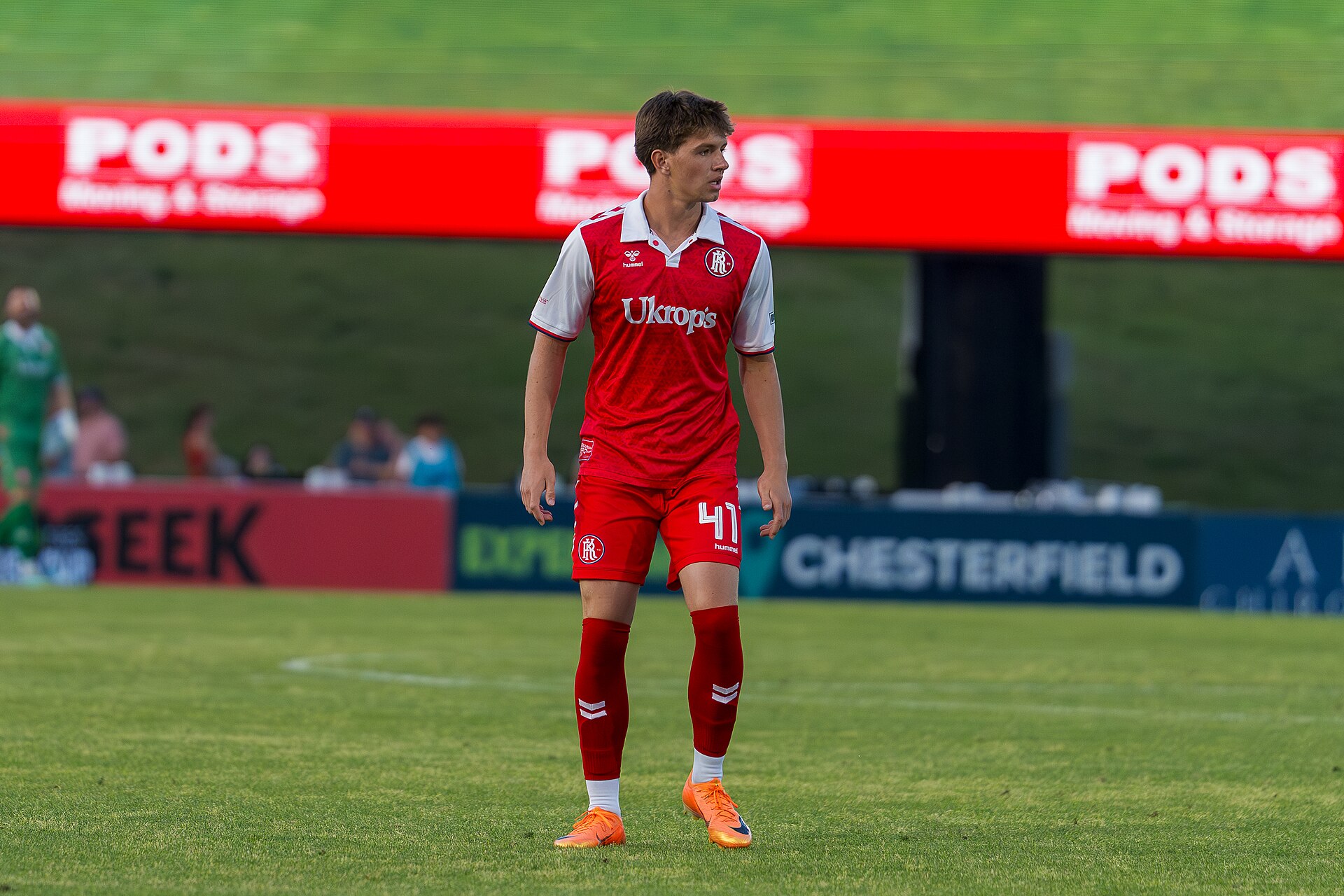
That shift matters because the tactics change with it. In the group stage, a team can still salvage something from a tied game and stay alive on points or goals scored. In the knockout rounds, there is no second-chance math, no rescue through the standings, and no hiding behind a favorable tiebreaker. One poor spell, one missed chance or one moment of discipline can end the run.
For supporters, that makes the draw after the group stage a real turning point. It is the moment the Cup stops being a schedule puzzle and becomes a bracket, with every remaining match carrying immediate elimination weight. The path to October is not abstract once the quarterfinals are set. It becomes a clean, visible route to silverware.
Hartford Athletic sets the standard
Hartford Athletic enters the 2026 competition as the defending champion, and that gives the tournament a built-in reference point. Hartford beat Sacramento Republic FC 1-0 in the 2025 final at Heart Health Park on Saturday, October 4, 2025, in front of a sold-out crowd of 11,569. Samuel Careaga scored the winner early in the second half and earned Final MVP honors, delivering Hartford its first trophy in club history.
That result gives the Cup an important practical lesson: the final can be decided by the smallest margins. A single goal, a disciplined defensive shape and the ability to survive a tense venue were enough to lift a first-time champion. For every club in the 2026 field, that is the blueprint and the warning. The tournament does not need a high-scoring showcase to produce a meaningful outcome.
What the Cup means in the league calendar
The 2026 edition is the third time the league has staged the competition, and it has already moved beyond novelty. USL describes the Cup as a World Cup-style interleague tournament built to add meaningful matches to the calendar, and the field of 43 clubs is the clearest sign of that ambition. This is not a small add-on. It is woven into the same season that powers league play.
The league’s decision to pair a broad regional group stage with a knockout bracket gives the Cup its practical appeal. Teams know when it starts, when the groups end and exactly when the road narrows toward the final. Fans know that the tournament begins on April 25, tightens through July 11, then jumps into elimination rounds in August and September before finishing on October 4 on ESPN2.
Prinx Tires was named the entitlement partner in December 2025, adding a commercial layer to a competition the league is clearly trying to grow. The bigger point is the one fans feel in real time: the Cup now has dates, stakes and a clean progression from group play to a trophy lift. Once the final bracket is set, there is nowhere to hide.