Waterloo remembers Bill Abbas, host family home shaped junior hockey lives
Bill Abbas’ Cedar Heights house became a quiet fixture in Waterloo hockey, and former Black Hawks still talk about it like a second locker room. Abbas died in April at 83, and the memories left behind by Scott Pavelski, Tyson Fulton and Brock Montpetit show why a host home can matter as much as any road trip or practice rep.
Abbas’ background fit the job perfectly. Born Sept. 28, 1942, in Iowa Falls, he earned a degree in accounting in Cedar Falls and served in the Army Reserves. That same love of order carried into a home where junior players could find routine, a place to eat and a place to settle in while they were far from their own families.
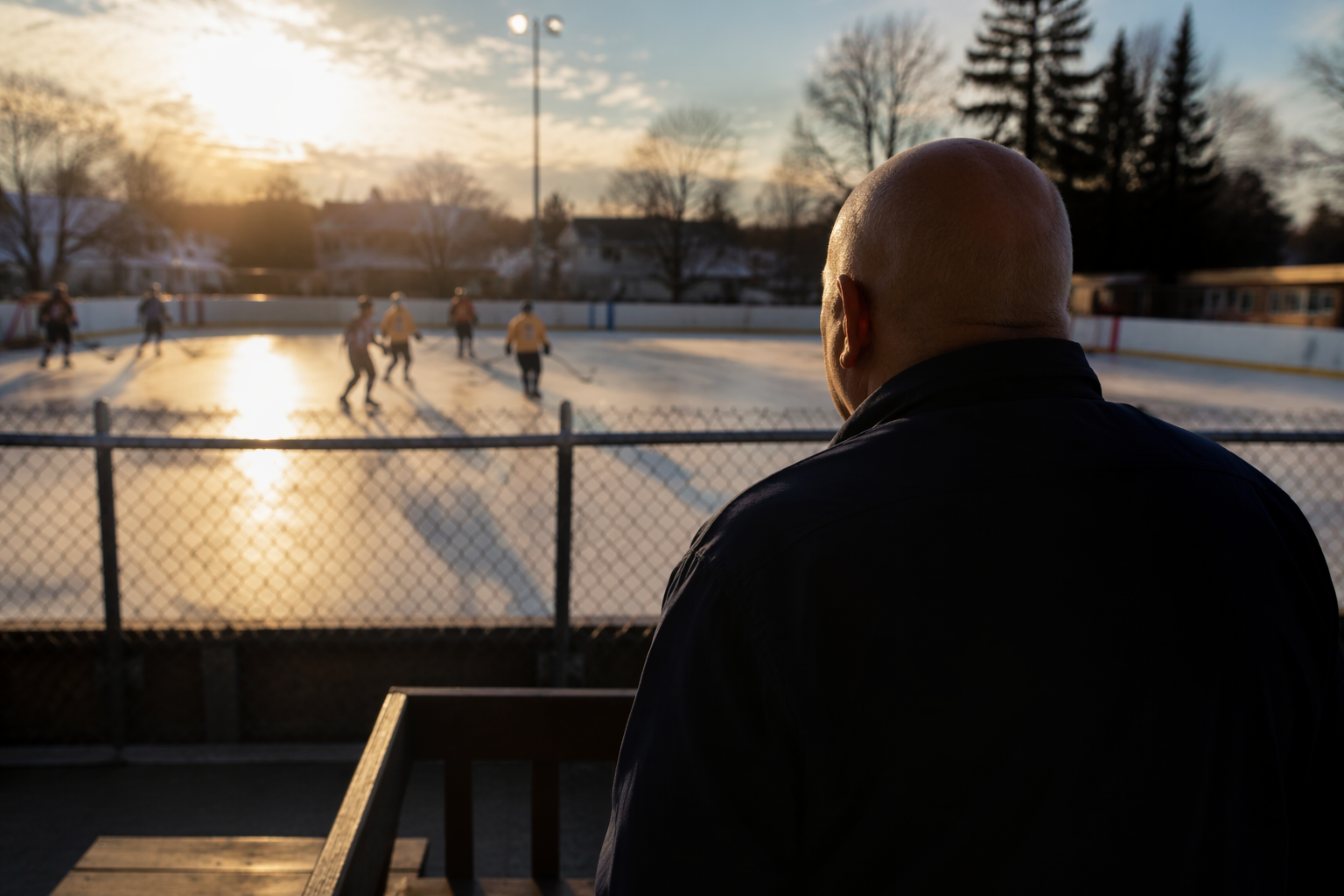
The setting was part of the appeal. Montpetit remembered a house tucked among the trees near Hartman Reserve, with deer in the backyard and a calm, almost rural feel uncommon for a billet house in the middle of Waterloo. Hartman Reserve is a Black Hawk County Conservation area, and the wooded stretch helped explain why the home felt removed from the noise that follows a USHL season. Pavelski described it as a place where a few back roads could make it seem like the players had escaped into the middle of the woods.
Inside, the rhythm was just as steady. The players used a loft to relax, while Abbas spent evenings cooking, watching Wheel of Fortune or Food Network, and turning dinner into part of the nightly routine. That kind of setup is not a side story in junior hockey. Waterloo’s housing program says there is no housing fee for Black Hawks players, with housing and meals paid for by the organization, and it describes host families as a stable foundation and a bridge to self-sufficiency after USHL hockey. It also notes that host homes can give players a way to get away from the game and reset during the season.
Waterloo has long treated billet families as part of the club’s structure, not an extra. Melissa and Paul Seeber of Hudson were recognized as the Black Hawks’ Billet Family of the Year in 2020, and Ed and Sue Baethke were later honored in the USHL’s billet-family program. Abbas’ house belonged in that same line of service: visible to the players who lived there, mostly invisible to everyone else. His obituary, filed through Dahl-Van Hove-Schoof Funeral Home & Cremation Service, says he died peacefully on April 27, 2026, in Cedar Falls, and the hockey memories attached to his home now sit alongside that record of a life built on structure, service and steady habits.