Wayland's Preston Schwendt finds his stride in Boston ultimate scene
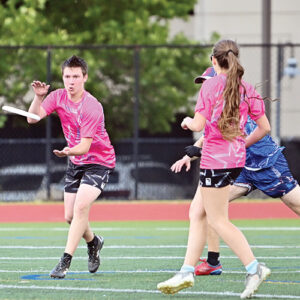
Preston Schwendt’s moment at Hormel Stadium was more than a warm-up act. The Wayland player took part in the Boston Ultimate Disc Alliance Division 2 All-Star game before a Boston Glory game in Medford, and the setting made the point clear: in Boston-area ultimate, local recognition and pro visibility now sit on the same sideline.
A pathway that starts local and climbs quickly
Brad Spiegel’s August 7, 2026 feature in The Wayland Post frames Schwendt as the kind of player ultimate keeps producing, someone whose value is measured by fit, satisfaction, and steady advancement as much as by any one result. That matters because ultimate still runs differently from many traditional sports, with much of a player’s development happening in club circles and community leagues rather than only through school-based pipelines.
Schwendt’s appearance in the Boston Ultimate Disc Alliance Division 2 All-Star game shows how a player from Wayland can earn a place in a regional showcase without leaving the Boston orbit. The selection itself signals more than talent alone. It reflects the way the sport’s layers connect, from local play and organized club competition to an all-star stage that can sit right next to a professional game.
Why Hormel Stadium changes the feel of the sport
The all-star game took place before a Boston Glory home game at Hormel Stadium in Medford, a detail that gives the story its most revealing backdrop. WatchUFA identifies Boston Glory as the team that plays its home games there, and that home-field setting turns the pregame showcase into a public audition for the wider sport. A community-level player does not just get honored in isolation; he steps onto the same site where the region’s pro team presents itself.
That overlap is part of what makes Boston such a useful case study for ultimate’s growth. A player can move from local leagues into a Division 2 all-star setting and then onto the same field where the Boston Glory brand is visible to fans. For a sport that still depends heavily on word of mouth, club loyalty, and regional networks, that kind of stage makes the pathway feel tangible.
What Schwendt’s story says about why players stay
The Wayland Post feature emphasizes Schwendt’s sense of satisfaction in the sport rather than a single game outcome, and that framing fits ultimate’s culture. The game rewards chemistry, communication, and self-officiation, which gives players a different kind of ownership than a purely coach-driven model. It also makes room for athletes who want competition without giving up the community feel that often keeps them committed.
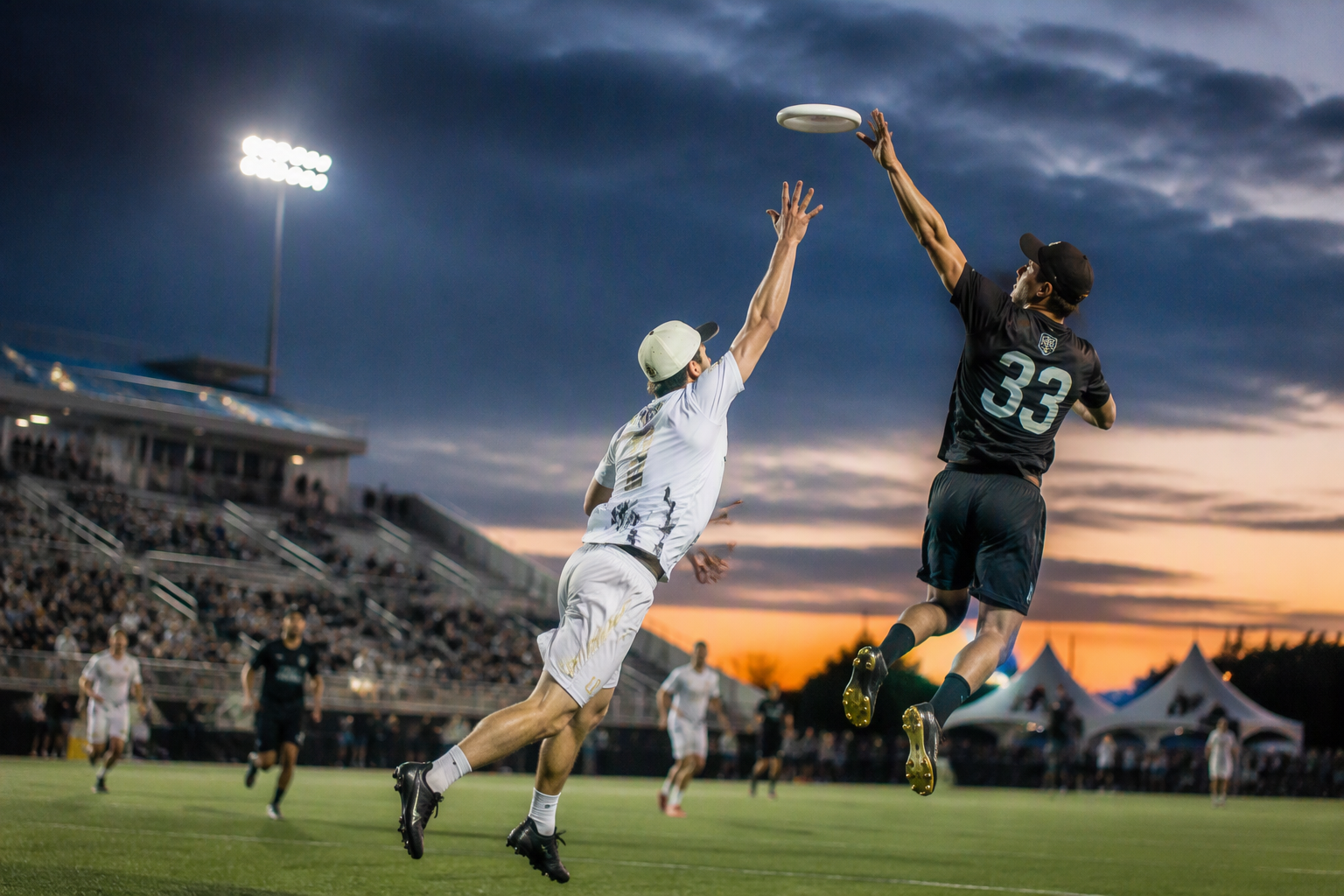
That combination helps explain why ultimate continues to attract players outside the traditional varsity pipeline. A town player can still find a high-level outlet through club structures, earn regional recognition, and remain embedded in the same local scene. Schwendt’s path shows that the sport can be serious without becoming impersonal, and aspirational without feeling removed from the communities that built it.
The national structure behind the local scene
USA Ultimate describes itself as the United States national governing body for the sport of ultimate, and its affiliate program connects local organizations with the sport’s national infrastructure and nationwide network of ultimate communities. That framework matters in places like Boston because it gives local leagues, clubs, and players a ladder that reaches beyond one city or one season. The Boston Ultimate Disc Alliance Division 2 All-Star game sits inside that larger system, giving players a recognized milestone within a broader competitive map.
For a player like Schwendt, that structure turns a local performance into part of a much bigger athletic identity. The sport’s organization gives enough shape for selection, advancement, and recognition, while still leaving room for the self-directed culture that many players prefer. Ultimate’s growth has often come from that balance: formal enough to legitimize ambition, informal enough to preserve the appeal that brought athletes in.
Why Boston’s ecosystem feels increasingly real
Boston Glory’s 2026 events page reinforces that the franchise has an active presence in the same late-summer window as Schwendt’s all-star appearance. Even without reducing the sport to one team or one showcase, the timing underscores how visible the Boston scene has become. A player from Wayland can now be part of a local all-star event, share a venue with a pro club, and do it inside a regional structure that links directly to the national game.
That is the real story behind Schwendt’s place in the Boston ultimate scene. He is not just a hometown name with a nice feature attached. He is an example of how ultimate in New England has become a sport where competitive intensity, personal fit, and legitimate progression can all exist at once, and where the next wave of players can see a clear path from local fields to a recognized stage.
Sources
- [1]waylandpost.org
- [2]watchufa.com
- [3]usaultimate.org