WDBF adds 3-minute set limit, reshapes foam dodgeball tactics
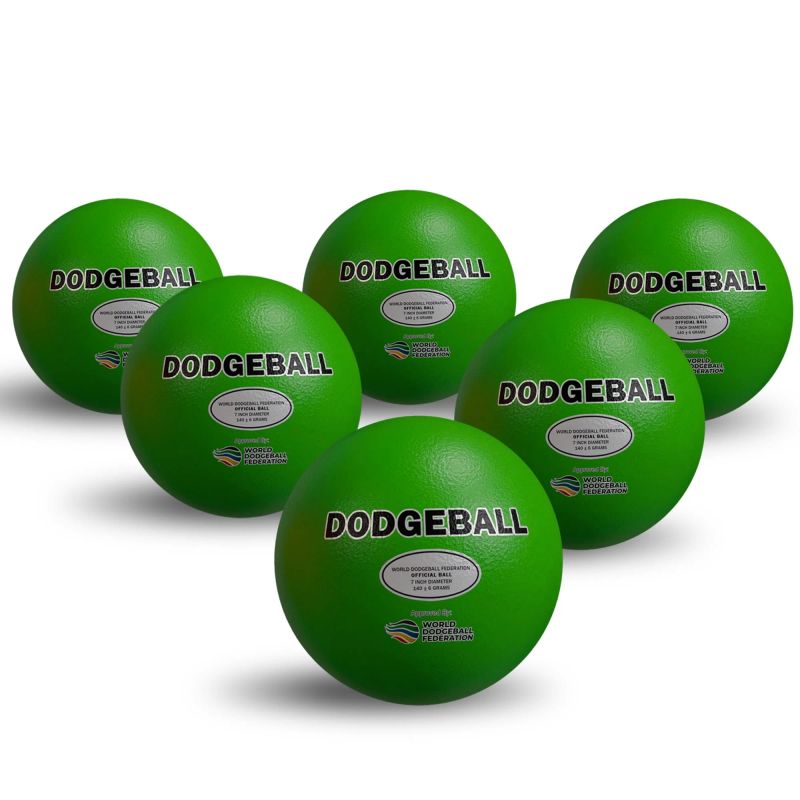
Foam sets in the World Dodgeball Federation’s 2026 format now cap at 3 minutes before play shifts into a defined No-Blocking phase. Teams can no longer lean on endless defense or wait for the perfect possession, and spectators get a cleaner finish to track.
Why the clock now controls the set
The clearest break from the 2024 format is time. In the 2024 foam rules, sets were not time-restricted, even though cloth sets were already set at 3 minutes, and foam still used 6 balls. That meant foam could drift toward longer, looser exchanges, while cloth already had a built-in pressure point.
The 2026 cap gives foam the same kind of built-in urgency that cloth already had, but with a different closing mechanic. Instead of letting a set extend until a natural break appears, the federation has made the clock part of the strategy from the opening throw. Teams now have to create offense early, manage their balls carefully, and choose when to press rather than waiting for the set to solve itself.
How No-Blocking rewrites the finish
The No-Blocking phase is the other half of the change, and it changes what a save means. In this closing phase, blocking is still allowed, but the block is treated like a hit. A defensive reaction that might have protected a player earlier in the set becomes just as dangerous as taking the throw to the body.
Picture a tied set with 25 seconds left and one side holding two balls: instead of parking on defense and hoping the other team gets impatient, the smarter move is often a controlled throw into a lane that forces movement before the clock rolls over. Once No-Blocking begins, a routine block no longer resets the problem, so ball security and lane discipline matter much earlier.
The same logic applies to a team that is trailing and trying to survive the last minute. In the old open-ended version of foam, a side could sit back, absorb pressure, and look for a turnover or a mistake. Under the 3-minute cap and No-Blocking finish, that kind of stall carries more risk because the defense itself can become an out, which pushes both teams toward faster decisions and more visible action for fans.
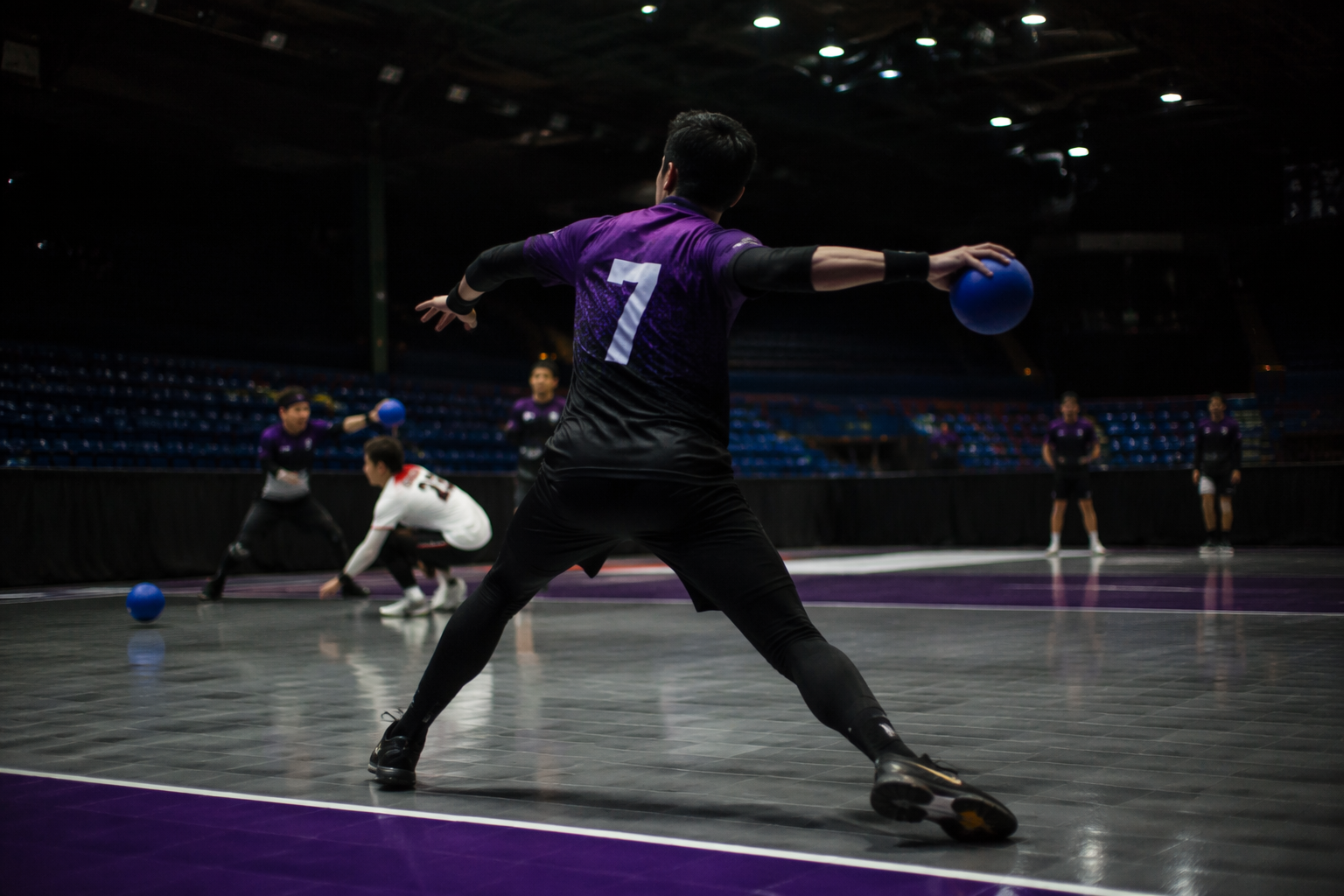
Why the rulebook is easier to officiate
The 2026 foam comparison also adds a formal Interpretation Standards layer. That is a major change for a sport built on fast releases and split-second contact, because the rules now push officials toward clearer, more binary decisions instead of leaving too much room for interpretation. The 2024 version did not have a hierarchy or enforcement philosophy section, so the newer framework adds structure where referees need it most.
The federation also defines when warnings are required before penalties, which matters in a game where a ball can go live or dead in an instant. When whether a block counts, whether a ball is live, or whether a player is out can swing momentum on one whistle, the standard for enforcement shapes tactics as much as it shapes officiating. Teams that understand the new hierarchy can play closer to the edge without relying on confusion to buy them time.
How the modern foam rulebook fits the sport
The World Dodgeball Federation is the world organizational body for dodgeball, and its 2022 final rules already laid out the sport through definitions, the game, and playing formats. By 2024, foam and cloth had clearly diverged: cloth kept its 3-minute sets while foam remained untimed, and the foam blocking rule was no longer in effect. The 2026 update brings foam back under a tighter clock while restoring a formal late-set closing phase.
That broader revision effort fits the federation’s 2026 cloth summary: the technical committee revised the rulebook after lessons from international competition, feedback from member federations, and best practices observed across dodgeball organizations. The foam changes sit inside that same modernization push: shorter sets, clearer enforcement, and fewer gray areas.
A YouTube explainer titled How To Play Dodgeball | OFFICIAL RULES was posted on 2021-11-01 and teaches the format in 4 minutes.