WDBF builds global dodgeball ladder through continental championships
The clearest sign that modern dodgeball has grown up is not the World Championships themselves, but the ladder underneath them. Edmonton 2022 put foam and cloth on the same stage for the first time, then WDBF used five continental championships in 2023 to turn that moment into a year-round pathway that led straight to Graz 2024.
Edmonton set the blueprint
The 2022 World Championships were originally awarded to Glasgow, then moved to Edmonton after the multi-year COVID-19 hiatus reset the sport’s calendar. That tournament was the first WDBF world event to stage both official disciplines together, with foam and cloth contested across six divisions: men’s, women’s and mixed in each format. WDBF’s year-in-review counted 700 participants from 15 nations and 65 teams, while a Canadian federation recap placed the event at more than 60 international teams over August 31 to September 4, 2022.
The results showed how the format was starting to split into distinct regional strengths. Canada won women’s foam and mixed foam, Malaysia took men’s foam, and Austria beat Great Britain in both women’s cloth and mixed cloth. WDBF also partnered with WiiStream to broadcast the event, a small but telling sign that the federation wanted the sport to look and feel like a proper international product, not just a niche tournament with a scoreboard.
The continental layer changed the sport’s shape
What happened next mattered more than one world title cycle. In 2023, WDBF sanctioned five continental championships in Argentina, Morocco, Croatia, Singapore and the United States, and more than 50 countries took part. That was not a ceremonial add-on to the calendar. It gave national teams real regional stakes, built depth in every corner of the sport, and created a standard path from continental play to global play.
WDBF framed that move as a post-pandemic return to competition and a deliberate effort to line up regional and global events. The federation’s own language is important here: continental tournaments were meant to strengthen ties between national federations and continental governing bodies, which is how a sport stops depending on one-off world events and starts acting like a system. Once those regional championships existed, they also started feeding the rankings model, which uses results from the last three World Championships and the last three Continental Championships, with eligibility tied to participation in at least one of those recent events.
That structure matters because it rewards consistency, not just one hot weekend. A team that shows up at continental level, wins regionally, and then holds form at worlds is building ranking value across multiple cycles. In other words, the continentals are not the appetizer. They are part of the main dish.
Graz was the proof of concept
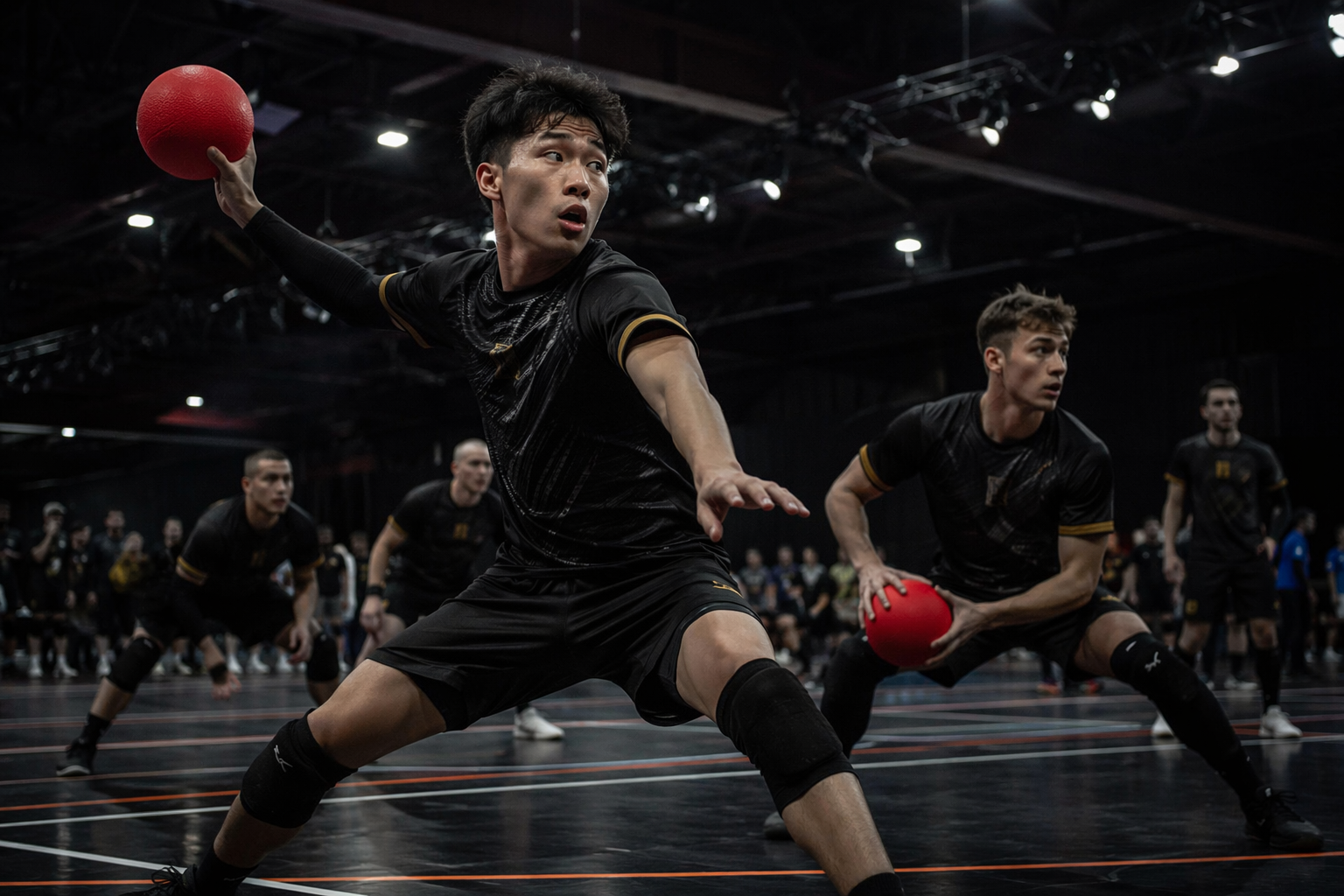
The payoff arrived in Graz, Austria, where the 10th World Championships ran from August 11-17, 2024 at RAIFFEISEN SPORT PARK GRAZ. WDBF called it the largest global gathering in the sport’s history, with more than 1,300 athletes, coaches and officials from 123 teams representing 35 countries across all six continents. A later federation page pushed the total even higher, saying Graz welcomed more than 1,400 athletes and officials from 36 countries.
The scale was not accidental. Before the event, WDBF said it expected about 100 teams from more than 30 countries, up from 67 teams from 15 countries in Edmonton. That leap tells you the continental system was doing its job: widening the base, widening the field, and widening the number of nations capable of entering the world stage with credible rosters in more than one division.
The medal picture also reinforced the sport’s geography. Austria swept the cloth categories, Canada defended gold in women’s foam and mixed foam, and the United States won men’s foam. WDBF later noted that the U.S. reached four finals in Graz, which is the kind of detail that says more than a medal table ever will. It shows the foam game had become deep enough to produce repeat contenders, while cloth remained a European stronghold led by Austria.
Why the ladder exists now
None of this came out of nowhere. WDBF’s membership base grew from 17 to 34 nations as countries including Botswana, Colombia, Nepal, Trinidad & Tobago, Peru, Singapore, Puerto Rico, Barbados, Chad, Kenya, Comoros, Brazil, Rwanda, Chile, Dominican Republic, Tanzania, Burundi and Turkey joined. Then Europe came in 2019, and total membership rose to 63. That’s the backstory behind the calendar: the federation spent years building enough national programs to support a layered system instead of a single showcase event.
WDBF has also tied that system to broader sport development. It says it works with regional governing bodies around the world to grow dodgeball through grassroots programs, senior teams and events, and its revised rules framework links athlete safety, officiating consistency and alignment between international and continental competition. Add in the fact that June 30 was designated International Day of Dodgeball after suggestions from British Dodgeball, USA Dodgeball and others, and the message is hard to miss: this sport is trying to create a shared identity across regions, not just crown a champion once a year.
That is why Graz 2024 mattered beyond the medals. Edmonton proved the sport could stage its two disciplines together; the continental championships gave those disciplines a durable pathway; Graz showed the ladder could hold a 123-team world field from 35 countries. In dodgeball now, the world championship is no longer the whole structure. It is the top rung.