WDBF medical guidelines define what a sanctioned dodgeball event needs

If a local organizing committee misses the minimum medical standard, the event does not get sanctioned. The WDBF’s Medical Guidelines for Dodgeball Competitions turn safety into an operating requirement.
What sanctioning now demands
The guidelines are written as a planning template for local organizing committees, but they are not optional boilerplate. They also apply to local competitions. The WDBF Medical Director oversees whether those standards are met, and bids are ranked by how well they deliver the medical plan.
Why the medical center matters
The center of the plan is a designated Medical Center at the venue. The local organizing committee must provide medical services on site for all visitors, not just players, and the Medical Center is for basic and first-aid care only. Sudden or severe cases go straight to a designated hospital, which means organizers need a clear triage path before the event starts, not a scramble after someone is hurt.
A soft-tissue tweak, a cut, or a minor collision can be handled in the venue’s medical area; a more serious injury cannot linger there while staff debate what to do next. The guidelines require the handoff to be built in advance, which means the hospital relationship, the transport plan, the local contacts, and the map to each location all have to be in place and understood by the people working the floor.
The staffing list is the real workload
The document’s planning outline is broader than first aid. It includes medical services, local contacts, the medical center itself, personnel, equipment, opening hours, maps of locations, local laws for drug import, anti-doping, emergency plans, and extreme-weather requirements.
In practice, that means organizers have to think like event managers and medical coordinators at the same time. They need enough staff to cover the venue during operating hours, enough equipment to handle routine injuries, and enough communication lines so the right person can get a player to the right place without confusion. If weather turns dangerous or a match day runs long, the medical plan has to still function. If medication or treatment materials cross borders, the event also has to respect local drug-import rules, which adds another layer of compliance work before teams arrive.
For an organizer, the cost is not just supplies. It is staffing, planning time, venue coordination, signage, and the extra work of making sure the medical room, the hospital pathway, and the emergency plan all point in the same direction.
How this changes sideline decisions
The practical effect shows up the moment an athlete goes down. A WDBF-level event cannot rely on instinct or a coach’s guess about whether someone should keep playing. Once the venue has a formal medical center, a designated hospital, and an emergency plan, the return-to-play question becomes part of the medical chain rather than a sideline conversation.
Head impacts, collisions, and any injury that needs assessment beyond basic first aid do not leave room for improvisation after a serious hit. Organizers need to know in advance who can assess the athlete, where that athlete goes if the injury is worse than expected, and when the answer is no.
Why anti-doping sits beside first aid
The inclusion of anti-doping and drug-import rules in the same medical document broadens the compliance burden. Athletes in WDBF competitions and those under national anti-doping organization jurisdiction must follow both WDBF rules and World Anti-Doping Agency rules. WADA develops, harmonizes, and coordinates anti-doping rules and policies across sports and countries, and its Prohibited List is the current reference point for banned substances and methods.
That means medical planning is not only about treating injuries. It also has to account for what medicines are on site, what can cross borders, and what athletes may have in their systems.
The federation behind the rulebook
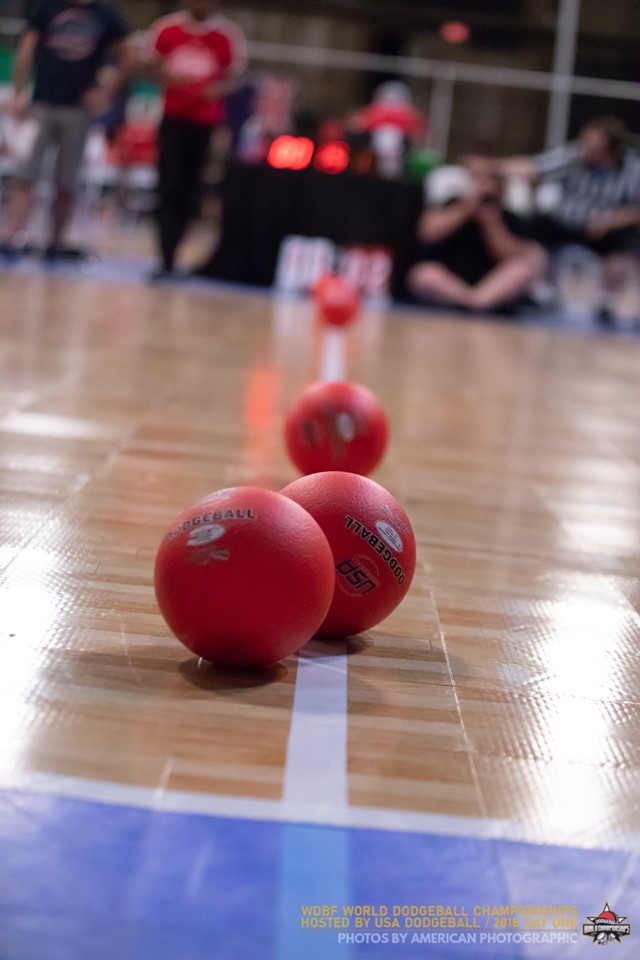
The World Dodgeball Federation was formed in July 2011, when representatives from several countries agreed to build it. The 2015 World Championships in Las Vegas were a pivotal event, featuring a high-profile exhibition on the Vegas strip and a double-gold run by the host Americans.
The federation listed 63 members in 2019. The 11th WDBF World Championships are scheduled for Bangkok from December 5 to 13, 2026.
The bottom line for organizers
The Medical Guidelines for Dodgeball Competitions sit inside the WDBF’s broader rule framework on the federation’s policies page.