WFDF formalizes Game Advisor training as Ultimate rules education expands
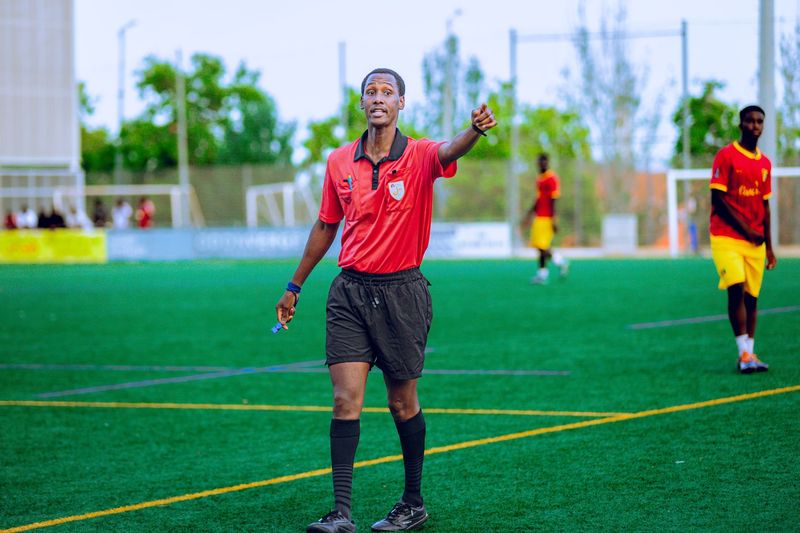
WFDF’s Game Advisor Manual v8 was last updated in December 2024. As WFDF standardizes the Rules of Ultimate for 2025-2028, it is also formalizing how Game Advisors are trained, where they fit, and where their authority ends.
What a Game Advisor is, and what the role is not
Game Advisors are officials used at certain events to support players to self-officiate as effectively and efficiently as possible. The advisor helps the game function, not replace the players who are responsible for making and resolving calls. In practical terms, the role sits between a pure pickup-style honor system and a referee-driven sport.
If a foul is disputed, if a travel call stalls a possession, or if a captains’ discussion starts bleeding into the pace of play, the Game Advisor can help keep the process moving. What the advisor cannot do is take ownership of the call itself.
Why WFDF formalized the training
That line between support and control is now backed by a formal training structure. The manual should only be used to train Game Advisors in conjunction with instruction from a WFDF-approved Game Advisor Trainer. The manual is a controlled training document inside an accreditation pathway.

The Rules of Ultimate 2025-2028 are the official version effective 2025-01-01, and the accreditation process is designed to let players demonstrate that they have read and understood the Rules of Ultimate. The new accreditation system on the WFDF Academy Platform is intended to verify and strengthen that knowledge.
How the rules education system is built
The Game Advisor track is now part of that education structure. WFDF’s Ultimate Game Advisor Rules Accreditation Course is a self-study course for stakeholders interested in becoming a Game Advisor. That makes the pathway more accessible for tournament personnel, club organizers, and players who need to understand how the role works before stepping into it.
WFDF is collaborating with urules.org on an up-to-date online official version of the rules, to be released once the rules resources are completed. At fast-moving elite events, mixed knowledge of the rules can create confusion over everything from marking counts to continuation after contact. A standardized online version gives tournaments a common reference point instead of relying on local habit or older interpretations.
What Game Advisors do in real game situations

The model is built for the parts of Ultimate that can bog down when the stakes rise. At a world event, a contested contact call on a layout block can trigger multiple player discussions, especially if both sides are citing different parts of the rules. A Game Advisor can help the players move through the process in order and keep the game from spiraling into a prolonged argument, but the players still have to resolve the call.
The same applies to pace-of-play issues. When a point drags because of repeated violations, sideline confusion, or a stoppage that has started to consume the rhythm of the game, Game Advisors exist to support efficiency. They are there to preserve the flow of a self-officiated sport, not to police it like a conventional referee system.
Rules complexity is another reason the role exists. The updated 2025-2028 rules create a stronger need for shared understanding across countries and levels of play, especially when international tournaments bring together teams used to different local habits. Game Advisors and the accreditation system are WFDF’s answer to that problem.
From Lecco to Cincinnati, the role kept expanding
WFDF Congress minutes record that the Game Advisor program was first conducted in Lecco in 2014 with 5 Game Advisors doing very few games. By the 2016 World Ultimate and Guts Championships in Cincinnati, the federation had increased it to a real program.

The question of whether observer systems conflict with the spirit of the game has long been debated in both international circles and North America. That tension is still built into the Game Advisor model, which tries to add structure without importing a full referee culture.
Why the distinction matters now
WFDF is not moving away from self-officiation. It is building the support system around it. Its Game Advisors page defines the aim as supporting players to self-officiate as effectively and efficiently as possible, and the training manual, accreditation course, and online rules resources all point in the same direction.
WFDF revised its officiation policy and added Game Advisor for WUCC and beyond in 2014. By 2016, Game Advisors were here to stay. UK Ultimate’s Game Advisors page reflects the same framework by describing Game Advisors as WFDF Officials used at certain events and directing readers to WFDF’s official resources.
Sources
- [1]rules.wfdf.sport
- [2]academy.wfdf.sport
- [3]wfdf.sport
- [4]ultiworld.com
- [5]ukultimate.com