WFDF rankings reward results across multiple world ultimate championships

Ultimate does not crown its best nation through one clean bracket and one trophy. WFDF’s world rankings stitch together results from several championships, then measure them over a four-year window, which is why a hot run at one event can lift a program without settling the whole debate.
That structure matters in 2026 because WFDF says its updated rankings cover more than 125 member national federations and incorporate results from the 2025 competitive season, including the World Under-24 Ultimate Championships and the World Beach Ultimate Championships. If you are trying to read the sport properly, the first thing to learn is simple: the ladder is wider than one world title chase.
How the ranking system actually works
WFDF’s ranking criteria start with one basic rule: points are assigned by division finish, and better placings earn more points. The federation says the rankings are built from the finishing position of each country’s top team in each playing division across the last four years of WFDF Ultimate events, which means the table rewards more than a single spike of form.
That four-year window changes the way the sport looks. One championship run can move a federation up, but the system is designed to favor repeat performance and steady participation across divisions, not just one glittering result. WFDF says that balance is intentional, because the rankings are meant to reward both elite performance and consistent participation.
For fans, that means rankings are not a straight medal count and not a single-event power poll. A country can finish high in one division, yet still trail another federation that has been stacking solid results across multiple events and multiple seasons.
The championships that feed the ladder
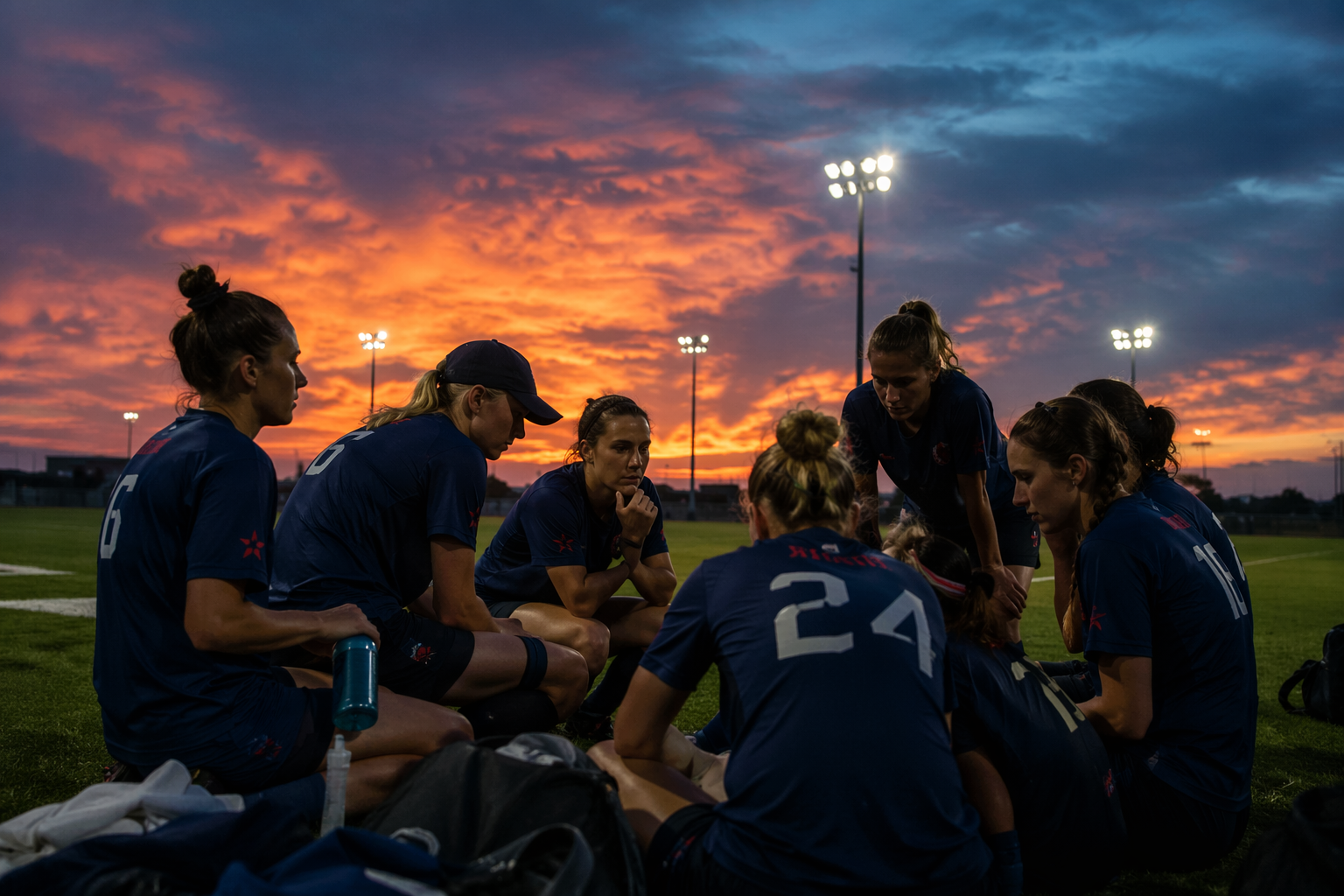
The most visible part of WFDF’s ecosystem is the championship calendar, and 2026 shows how segmented the sport really is. The World Junior Ultimate Championships will run July 11-18 in Logroño, Spain. The World Masters Ultimate Club Championships are set for June 28-July 4 in Nottingham, United Kingdom, at Highfields Sports Complex. The World Ultimate Club Championships follow August 15-22 in Limerick, Ireland, at the University of Limerick.
Those events are not interchangeable. WJUC is the under-19? No. WFDF’s junior world championship is the age-stage where the next generation of elite players is tested against international opposition. WMUCC gives long-lived club groups a global stage in the masters bracket, while WUCC is the main club championship for top senior clubs and the sharpest measuring stick for club depth.
The 2026 WMUCC is especially large by WFDF’s own scale, with more than 3,500 participants from over 30 nations expected in Nottingham. That kind of turnout matters because it shows how big the masters side of the game has become, and because it helps explain why WFDF treats the club ecosystem as a major part of the sport’s global status rather than an afterthought.
Why one championship does not settle everything
A strong finish at one event can be enormous, but it does not automatically make a team, or a federation, the undisputed world No. 1. WFDF’s system is built on the top team in each division over four years, so the rankings look for breadth as well as peak performance.
That distinction matters most when the calendar splits the sport into separate pathways. A federation might target WJUC to build its pipeline, use WMUCC to keep veteran club identities intact, and chase WUCC to prove it can compete with the deepest club programs in the world. Those goals overlap, but they do not collapse into one title.

The 2026 ranking update makes that even clearer because it folds in the 2025 season, including both the World Under-24 Ultimate Championships and the World Beach Ultimate Championships. Beach and age-group results sit alongside traditional ultimate results in the broader federation picture, which means the sport’s international standing is built across surfaces, ages, and club structures.
The scale behind the modern game
WFDF was founded in 1984, but the sport’s championship ladder reaches back further than the federation itself. WFDF’s history page says the first Ultimate European Championship was held in Paris in 1980, a reminder that organized international ultimate started small and then kept expanding.
The size of the modern championship scene is a different world from those early days. WFDF says the 2010 WUCC in Prague drew more than 2,800 players, 136 teams, and participants from 36 countries. That scale helps explain why today’s rankings lean on a multi-event, multi-year system: the sport has outgrown any single tournament as a measure of global strength.
Seen together, the rankings and the championship calendar form one map. Juniors develop the next wave, masters sustain club legacies, beach and under-24 events widen the competitive base, and WUCC remains the sharpest test of club excellence. The ladder is not built around one world championship because ultimate is not built that way either.
Sources
- [1]wfdf.sport